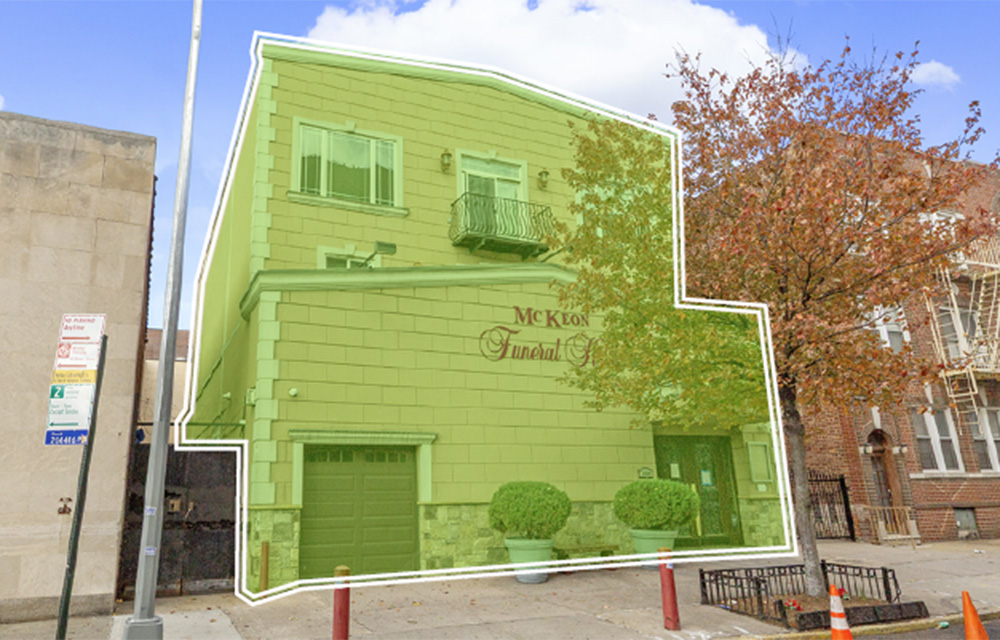





Brooklyn, NY According to Kalmon Dolgin and Neil Dolgin, co-presidents of Kalmon Dolgin Affiliates (KDA), the firm has arranged a new, 5,000 s/f, full-building lease for Magick Blyss Entertainment in its relocation to 101 Morgan Ave. in the East Williamsburg section.
Robert Klein of KDA represented Magick Blyss in its relocation, while Grant Dolgin, also of KDA represented the landlord Wilmington Property Associates LLC in the deal. The entertainment company will use the brand new 5,000 s/f, two-story building as a dance and recording studio. The building features a 2,500 s/f basement, in addition to the 5,000 s/f across two stories.
.jpg)
The entertainment and production company relocated to 101 Morgan Ave. from a 5,000 s/f space at Mount Pisgah Baptist Church in Bedford-Stuyvesant, where Blyss occupied three dance studios and ran DBold Records, a recording label. The church was sold to a developer and Magick Blyss needed a new home.
Magick Blyss Entertainment was founded by CEO Kevin Huente of So You Think You Can Dance fame. Magick Blyss uses dance, music, film and fashion to build up young people through performance, training and development.
Located between Ingraham St. and Johnson Ave., 101 Morgan Ave. has access to the L subway line and the B60 bus route. The building also has proximity to the Brooklyn Queens Expressway and major thoroughfares like Flushing and Metropolitan avenues. Features include large windows and second floor skylights for lots of natural light, a full sprinkler system, and 17’ ceilings. The building offers outdoor space; the first floor has a terrace out back, while the second floor features a balcony.
Founded in 1904, KDA offers over a century’s worth of experience in the management, sale, leasing and marketing of commercial and industrial property throughout the New York Metropolitan region. In addition to its staff of 35 brokers, Kalmon Dolgin Affiliates, through its subsidiary, KND Management Co., Inc., operates a portfolio of over six million square feet of industrial, office, medical and retail space in ten states. Their highly-trained professionals offer a practical, street-wise approach to real estate, supported by the latest in real estate management and research technology and four generations of unparalleled expertise.








.gif)