



News:
Brokerage
Posted: January 27, 2014
William Macklowe Co. acquires 156 William Street from Capstone for $62.5 million; Spies of Eastdil reps seller
William Macklowe Co. (WMC) has closed on the purchase of 156 William St., bringing the revitalized downtown district one step closer to having its first-ever medical office building.
"We believe this is the highest and best use for the asset as it will fill a critical need in this dynamic and evolving business and residential community," said WMC CEO Billy Macklowe, whose firm acquired the 12-story Emery Roth-designed office building from Capstone Realty Advisors for $62.5 million. Adam Spies, of Eastdil Secured, represented the seller.
Opened in 1955, the L-shaped building, which also fronts on Ann and Beekman Sts., contains 250,000 s/f of office space, some of which is already leased to medical tenants. Cornell Medical Center, for example, occupies 30,000 s/f on two floors and N.Y. Downtown Hospital is a 17,000 s/f tenant.
"Another 100,000 s/f is scheduled to be vacated in mid-2014," said Macklowe, whose firm is already discussing a variety of renovations and upgrades specifically designed to appeal to health care tenancies. Although still in early planning, extensive base building capital improvements and enhancements are contemplated.
"We believe market conditions are both conducive and favorable to successfully execute this exciting vision for 156 William St. and we plan to move ahead quickly with our marketing and leasing campaigns," said Macklowe. In addition to its latest acquisition, the WMC Manhattan property portfolio also includes 386 Park Ave. South, 636 Avenue of the Americas, and 110 University Place.
Tags:
Brokerage
MORE FROM Brokerage
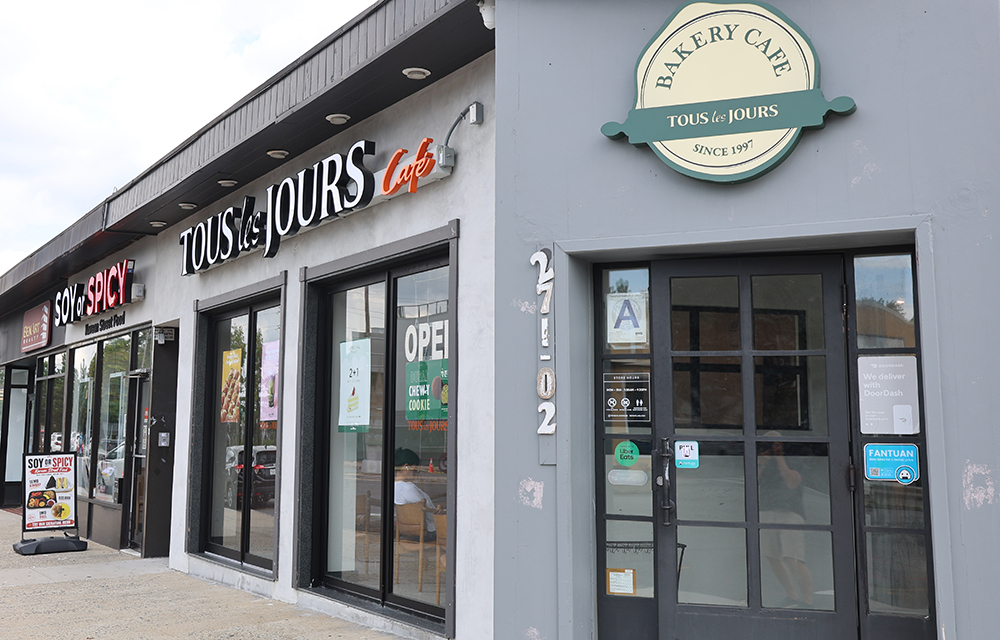
Sobel of RIPCO Real Estate signs Redefine Meals as newest tenant at New Hyde Park Place
New Hyde Park, NY New Hyde Park Place, the rebranded commercial property at 271-02 Union Tpke.on the Nassau/Queens border, has signed new tenant Redefine Meals, the Long Island-based prepared-meal company, for a new 1,000 s/f location, starting on September





Columns and Thought Leadership

New York’s streets are full again, and the retail numbers prove it - by Noam Aziz
Walk down any New York block this year and you can feel it. The sidewalks are crowded, the storefronts are lit, and the energy that defines this city is back at full volume.

Hunt commercial real estate question and answer: Fortune 500 wisdom - by David Hunt
Yes, there are lessons to be learned from the largest companies in America when comes to managing your real estate. But the decision to buy or lease real estate may not be one of

A guide to finding the right NYC property management company - by Sanjay Gandhi
Being a small to midsize landlord in NYC is an increasingly demanding endeavor. From navigating complex regulations, increased compliance demands to dealing with tenant issues and remediating violations. It is wise to enlist the assistance of a partner, a professional

Positive forecast for New York’s pro-housing push? - by Philip Butler
New York’s housing crisis remains a hot button topic despite growing consensus that varied and affordable housing is desperately needed statewide. Governor Hochul has recently introduced several initiatives to overcome N.Y.’s anti-housing
.gif)
September Promotion
