



News:
Brokerage
Posted: December 12, 2023
Westchester IDA votes approval for $44.5m affordable housing project Crescent Manor Ossining
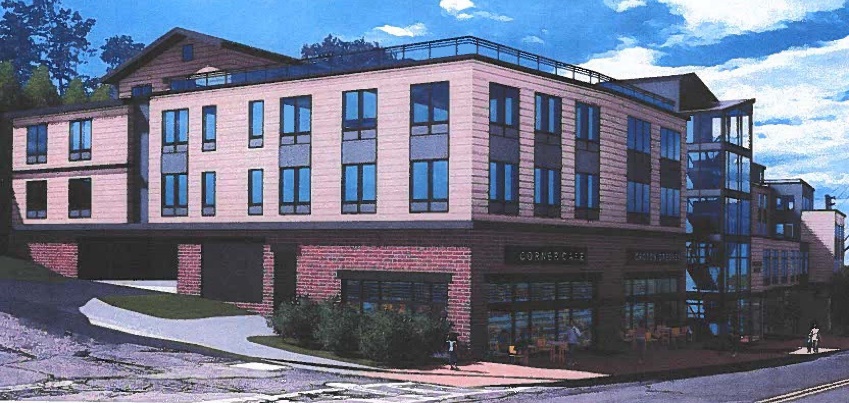
Ossining, NY The Westchester County Industrial Development Agency (IDA) has voted final approval of financial incentives for the construction of a $44.5 million 100% affordable housing project for seniors 62 and older.
The project, which received approval at the IDA’s October 26 meeting, will be built on a vacant site located at 136-140 Croton Ave. The 3.5-story building would be comprised of 74 units of affordable senior housing, set at 40%, 50%, and 60% Area Median Income (AMI). It will also feature up to 3,500 s/f of planned retail and flex community space.
Crescent Manor Ossining will feature 33 studios, 40 one-bedroom, and one two-bedroom unit designated for the building superintendent. Amenities will include a fitness room, computer room, community room/lounge, and laundry room. The project would provide two levels of parking.
The project applicant, Macquesten Development, is receiving a sales tax exemption of $1,216,462, a mortgage recording tax exemption of $232,460 and a real estate tax exemption through Payment in Lieu of Tax (PILOT) agreement of $5,382,643. It is estimated that Crescent Manor Ossining will create 159 construction jobs of which 43% will be Westchester hires and 30% of capital expenditures will be procured with the county. The project is slated to start April 2024 and be completed by August 2026.
“This 100 percent affordable housing project is providing much-needed housing for seniors 62 and older while creating new construction jobs for our County’s residents. This is the kind of innovative development that is helping Westchester meet its growing housing demands,” said Westchester County executive George Latimer.
“The financial incentives approved for this development will pay long-term dividends for our seniors who will enjoy living in an attractive apartment building with great amenities and an easily accessible location,” said IDA chair Joan McDonald.
Tags:
Brokerage
MORE FROM Brokerage
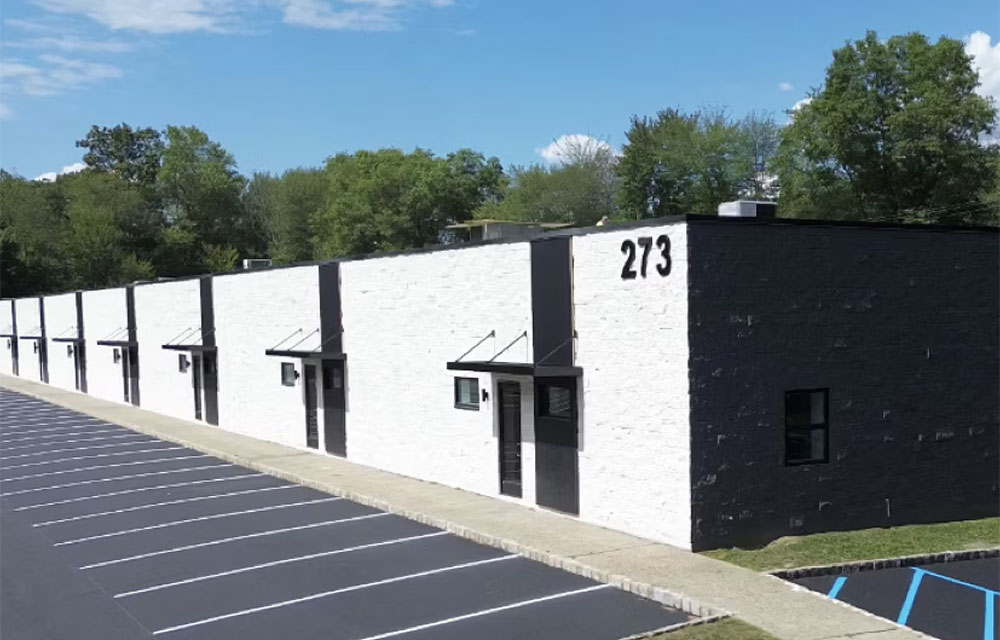
Resource Realty of Northern NJ delivers complete lease-up of 235 Franklin Rd. for Commerce Park Investors
Randolph, NJ Resource Realty of Northern New Jersey (RRNNJ) has completed the lease-up of a 10-unit small-bay industrial property at 273 Franklin Rd., marking the culmination of an investment strategy that began




Columns and Thought Leadership

Hunt commercial real estate question and answer: Fortune 500 wisdom - by David Hunt
Yes, there are lessons to be learned from the largest companies in America when comes to managing your real estate. But the decision to buy or lease real estate may not be one of

New York’s streets are full again, and the retail numbers prove it - by Noam Aziz
Walk down any New York block this year and you can feel it. The sidewalks are crowded, the storefronts are lit, and the energy that defines this city is back at full volume.

A guide to finding the right NYC property management company - by Sanjay Gandhi
Being a small to midsize landlord in NYC is an increasingly demanding endeavor. From navigating complex regulations, increased compliance demands to dealing with tenant issues and remediating violations. It is wise to enlist the assistance of a partner, a professional

Positive forecast for New York’s pro-housing push? - by Philip Butler
New York’s housing crisis remains a hot button topic despite growing consensus that varied and affordable housing is desperately needed statewide. Governor Hochul has recently introduced several initiatives to overcome N.Y.’s anti-housing
.gif)