



News:
Brokerage
Posted: December 12, 2023
Wells Fargo plans 445,000 s/f
expansion at Hudson Yards
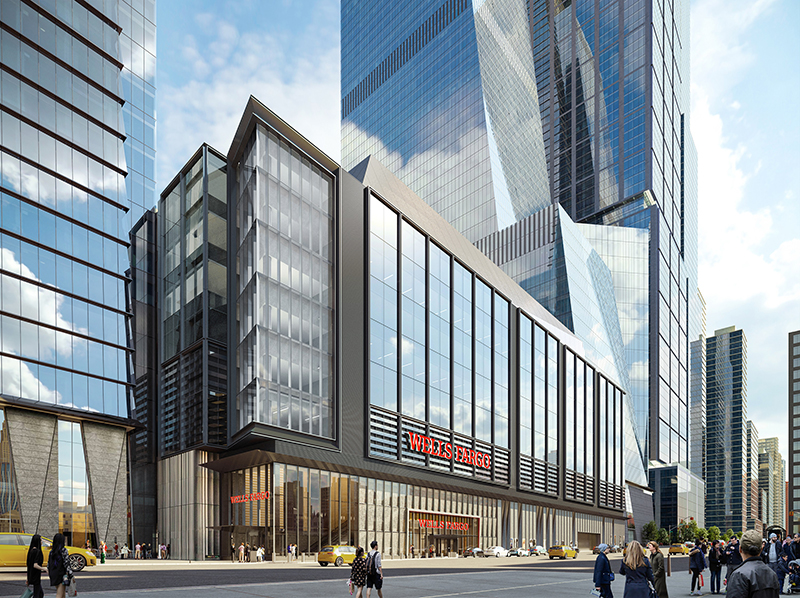
Manhattan, NY Wells Fargo has released its formal plans to expand its Hudson Yards office footprint and create a better, more collaborative employee experience with the purchase of additional space at Hudson Yards. This transaction represents a significant investment in the New York City market and an opportunity to bring most locally based Wells Fargo employees together in one location for improved collaboration and access to new, more modern workspaces, technology, and amenities.
Wells Fargo has engaged the Related Companies, developers of Hudson Yards, to convert 20 Hudson Yards into a 445,000 s/f office environment over a three-year period. Approximately 2,300 employees are expected to move to the new space from the company’s current office space at 150 East 42nd St. beginning in late 2026. These employees will join the Wells Fargo employee base already located there.
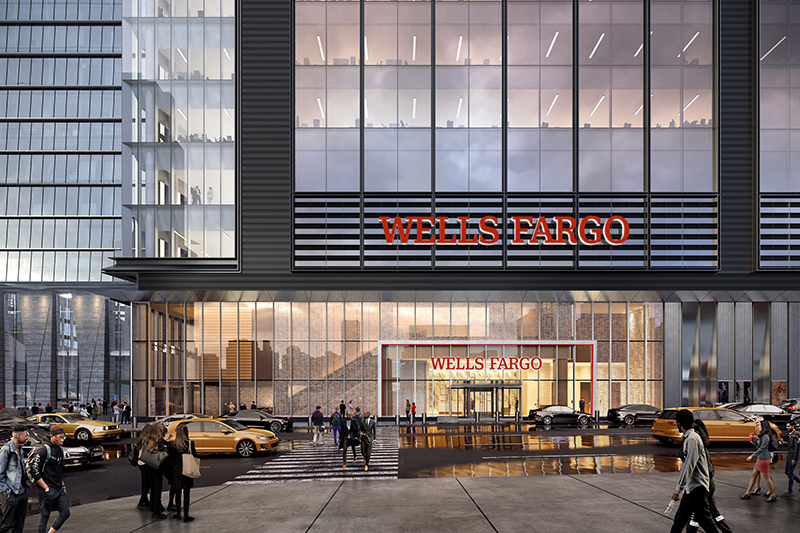 Wells Fargo’s new offices will include a variety of workspace settings for collaborative work and access to leading amenities. Plans include developing a food hall for employees with a rotating local restaurant program, as well as an all-day coffee bar with views of the Vessel and the Backyard at Hudson Yards. The building will also include a dedicated entrance on 10th Ave. and naming rights on the exterior of the property.
“This investment further solidifies our long-standing commitment to NYC and will help us create an enhanced, more collaborative environment for our NYC-based employees,” said Wells Fargo CEO Charlie Scharf. “Our new space at Hudson Yards will allow us to bring our Manhattan employees together in one place where they can work in a new, modern workplace as we work to build a stronger company.”
“This significant expansion demonstrates both the success of Hudson Yard’s modern lifestyle offices and live, work, play environment, as well as the power of New York City to meet the evolving needs of the world’s most innovative companies,” said Jeff Blau, CEO of Related Companies. “New York City is once again a magnet for the best talent, and industry leaders like Wells Fargo recognize the long-term advantage of having dynamic office space at Hudson Yards.”
Tags:
Brokerage
MORE FROM Brokerage
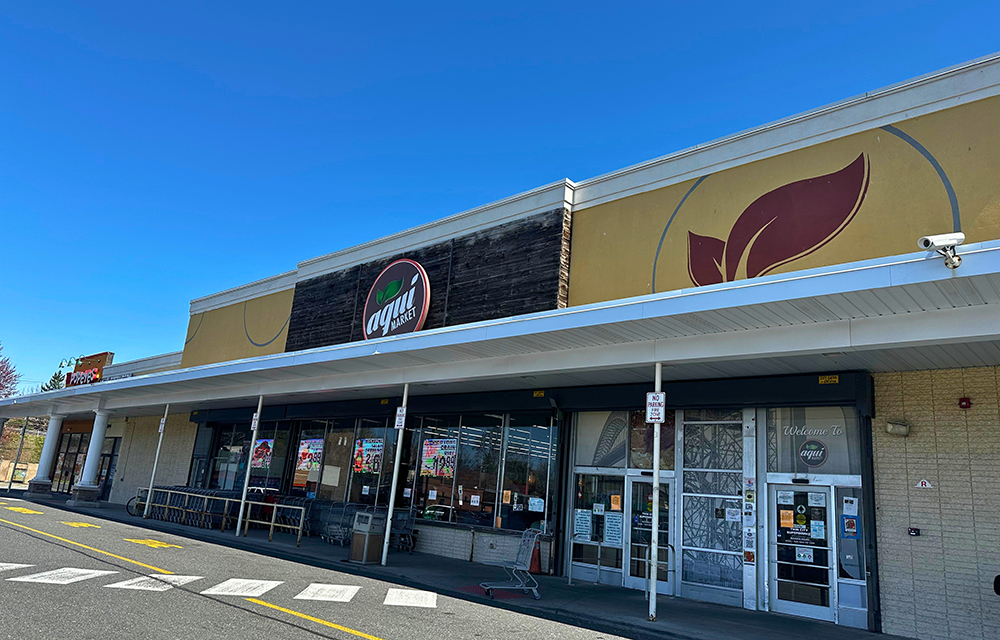
Planet Fitness coming to Twin City Shopping Center in Jersey City
Jersey City, NJ Planet Fitness is coming to Twin City Shopping Center in Jersey City, bringing the 95,000 s/f, grocery-anchored property to full occupancy. The nationally recognized fitness brand has leased a




Quick Hits
 (2).gif)

Columns and Thought Leadership

A guide to finding the right NYC property management company - by Sanjay Gandhi
Being a small to midsize landlord in NYC is an increasingly demanding endeavor. From navigating complex regulations, increased compliance demands to dealing with tenant issues and remediating violations. It is wise to enlist the assistance of a partner, a professional

New York’s streets are full again, and the retail numbers prove it - by Noam Aziz
Walk down any New York block this year and you can feel it. The sidewalks are crowded, the storefronts are lit, and the energy that defines this city is back at full volume.

Hunt CRE question and answer: Choosing a real estate agent - by David Hunt
First, we will only work with one agent exclusively. The primary reason is that we want that agent to legally represent our client’s interests. In New York State, a real estate agent has a fiduciary

Hunt commercial real estate question and answer: Fortune 500 wisdom - by David Hunt
Yes, there are lessons to be learned from the largest companies in America when comes to managing your real estate. But the decision to buy or lease real estate may not be one of
.gif)