



News:
Brokerage
Posted: January 24, 2017
Walker & Dunlop provides $28.384 million HUD loan for Memory Care Living
Bethesda, MD According to Walker & Dunlop, Inc., it structured a $28.384 million loan for Memory Care Living. The transaction consisted of a U.S. Department of Housing and Urban Development (HUD) portfolio backed by 14 cottage-style memory care properties.
Walker & Dunlop vice president, Kevin Giusti, and senior vice president, Michael Vaughn, led the origination team, which arranged the 35-year, fixed rate, fully amortizing loan for Valstone Partners. The HUD financing was structured as a 232/223(f) Health Care Facility refinance with an 80% loan to value.
The HUD loan proceeds allowed the sponsor to repay the existing bank debt, reimburse Valstone for their original acquisition costs and capital expenditures, as well as provide funds for renovation costs at several properties. Within the portfolio, 12 properties were refinanced from the borrower’s existing portfolio, and two were acquired and refinanced. Benefits of this unique portfolio loan structure include decreased legal, appraisal, and underwriting costs, as well as a shorter application-to-close timeline.
Eric Abel, managing director at Valstone, said, “We were very happy with the execution.”
Charlotte-based vice president, Kevin Giusti said, “This is the largest number of individual properties to be included as one loan under HUD’s scattered site approach in the existence of HUD’s 232 program. This structure enabled our client to save hundreds of thousands of dollars in additional costs compared to the costs associated with 14 individual HUD loans. Additionally, grouping all 14 individual properties as one combined HUD loan allowed the stronger performing properties to balance out the projects that were still in lease-up thus providing maximum loan proceeds to our client while providing HUD with added collateral and cash flow.”
Tags:
Brokerage
MORE FROM Brokerage
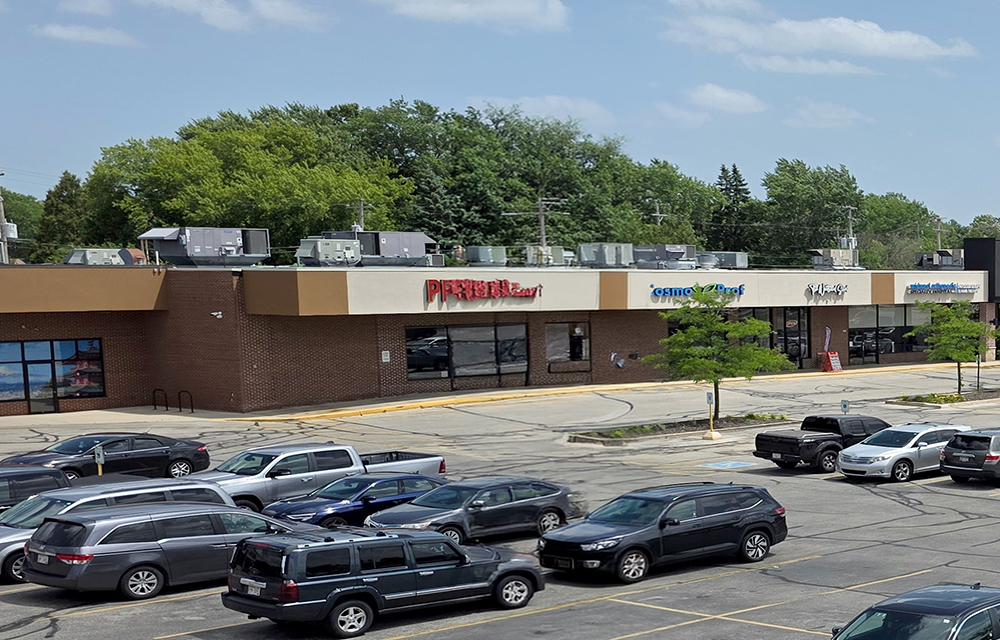
United Properties Corp. expands Wisconsin and Illinois retail presence adding 200,000 s/f
West Allis, WI United Properties Corp. completed two retail acquisitions totaling $27.4 million across Illinois and Wisconsin, adding 205,000 s/f of shopping center space to its portfolio





Columns and Thought Leadership

Hunt commercial real estate question and answer: Fortune 500 wisdom - by David Hunt
Yes, there are lessons to be learned from the largest companies in America when comes to managing your real estate. But the decision to buy or lease real estate may not be one of

Positive forecast for New York’s pro-housing push? - by Philip Butler
New York’s housing crisis remains a hot button topic despite growing consensus that varied and affordable housing is desperately needed statewide. Governor Hochul has recently introduced several initiatives to overcome N.Y.’s anti-housing

A guide to finding the right NYC property management company - by Sanjay Gandhi
Being a small to midsize landlord in NYC is an increasingly demanding endeavor. From navigating complex regulations, increased compliance demands to dealing with tenant issues and remediating violations. It is wise to enlist the assistance of a partner, a professional

New York’s streets are full again, and the retail numbers prove it - by Noam Aziz
Walk down any New York block this year and you can feel it. The sidewalks are crowded, the storefronts are lit, and the energy that defines this city is back at full volume.
.gif)