



News:
Brokerage
Posted: April 13, 2020
Virtual Doorman to offer free, expanded services for all customers during COVID-19 emergency
New York, NY Virtual Doorman, a New York-based provider of remote doorman and security services, announced details of its emergency plan to expand services and provide much-needed security and safety to both its customers and their buildings’ staff throughout the COVID-19 pandemic. Virtual Doorman systems use technology and real people to serve the residents of multi-tenant buildings across the U.S., remotely providing secure, no-contact access to buildings and apartments for residents, deliveries, visitors, and service calls.
Virtual Doorman has reached out to over 35,000 residents in its network of customers to offer upgraded services and expanded hours, free of charge to help cover shifts for on-site building staff. The offering comes as millions of Americans are confronted with a new reality as COVID-19 continues to spread both nationally and internationally.
“We have been closely monitoring the situation and want to make sure each and every one of the thousands of people we serve feels safe and protected during this time,” said Colin Foster, Founder & Chief Innovation Officer of Virtual Doorman. “We are aware this crisis has deep ramifications into how we conduct our daily lives and we hope that through the offering of free upgrades to our packages and expansion of our hours we will be able to bring additional safety and security not only to our customer base but also to their building’s existing personnel.”
As the COVID-19 crisis magnifies, Virtual Doorman is committed to continuing to offer services that under this particular crisis are not only convenient but, in some cases, absolutely necessary. Virtual Doorman’s personalized service uses integrated digital CCTV, cameras, video intercoms, access control devices, and remote operators at its Doorman Command Center. The company’s services include building security; building access for residents, deliveries, and guests; as well as virtual concierge services.
Virtual Doorman’s Command Center has evolved into one of the most advanced technical operations in the nation. The company’s first national emergency crisis came during Hurricane Sandy in New York in 2012. As other remote doorman companies struggled, Virtual Doorman’s Command Center in Florida provided constant and uninterrupted service throughout the emergency. Today, many Virtual Doorman customers have found a “silver lining” because they were uniquely prepared to handle the current situation. Social distancing is not easy for buildings with traditional doormen and onsite staff. Buildings that were forward-thinking and already had technology in place have been able to continue providing critical services while keeping everyone safe and the building running smoothly. These buildings have found Virtual Doorman to be helpful as the company has been able to cover shifts so doormen and supers can stay safely at home.
“Virtual Doorman’s team of remarkable professionals is used to going the extra mile,” said Foster. “We are tremendously proud of our team and are deeply thankful for their dedication and support as we expand our services and look to provide additional comfort and relief to our clients during this trying time. Although our software is known for being best-in-class, we believe what sets us apart is not our technology but the people behind it.”
Virtual Doorman has been developing and perfecting its suite of remote doorman services since it was founded twenty years ago. For a complete list of Virtual Doorman services and features, please visit https://virtualdoorman.com.
Tags:
Brokerage
MORE FROM Brokerage
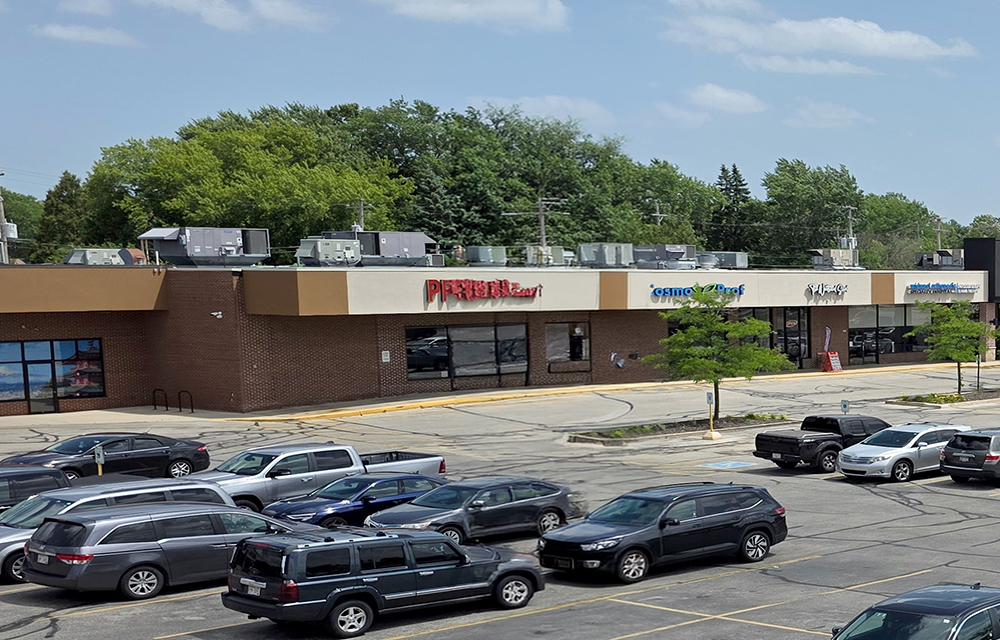
United Properties Corp. expands Wisconsin and Illinois retail presence adding 200,000 s/f
West Allis, WI United Properties Corp. completed two retail acquisitions totaling $27.4 million across Illinois and Wisconsin, adding 205,000 s/f of shopping center space to its portfolio


Quick Hits
 (2).gif)

Columns and Thought Leadership

A guide to finding the right NYC property management company - by Sanjay Gandhi
Being a small to midsize landlord in NYC is an increasingly demanding endeavor. From navigating complex regulations, increased compliance demands to dealing with tenant issues and remediating violations. It is wise to enlist the assistance of a partner, a professional

New York’s streets are full again, and the retail numbers prove it - by Noam Aziz
Walk down any New York block this year and you can feel it. The sidewalks are crowded, the storefronts are lit, and the energy that defines this city is back at full volume.

Positive forecast for New York’s pro-housing push? - by Philip Butler
New York’s housing crisis remains a hot button topic despite growing consensus that varied and affordable housing is desperately needed statewide. Governor Hochul has recently introduced several initiatives to overcome N.Y.’s anti-housing

Hunt commercial real estate question and answer: Fortune 500 wisdom - by David Hunt
Yes, there are lessons to be learned from the largest companies in America when comes to managing your real estate. But the decision to buy or lease real estate may not be one of
.gif)