



News:
Brokerage
Posted: October 23, 2009
Upstate N.Y. Community Fund provides hope
The present economic crisis has made securing financing for affordable housing in upstate N.Y. more challenging than ever before. Even prior to this recession, the upstate region has faced a critical problem securing financing for reasonably priced housing.
Historically, investors in the private sector have shied away from upstate markets due to lack of appeal. Reasons for this include: a seeming susceptibility to high levels of unemployment and general economic downturns, the perception that upstate markets are not as "vibrant" or "sexy" compared to downstate and less desire to invest in upstate projects.
Thanks to housing advocates such as The N.Y. Division of Housing and Community Renewal (DHCR), the NYS Association for Affordable Housing (NYSAFAH) and other partners in the development community, an innovative Upstate Equity Fund has been developed to encourage private sector investment in affordable housing projects within this region.
The Upstate New York
Community Fund
The Upstate New York Community Fund will serve as an investment vehicle for smaller upstate projects. The fund will be managed by Great Lakes Capital Fund, which helps to finance low to moderate-income housing and revitalize neighborhoods. This newly created fund promotes upstate banks to partake in the Low Income Housing Tax Credit Program (LIHTC) and is expected to generate scores of new units of housing upstate.
Housing tax credit funds encourage public-private partnerships in the development of affordable housing. Under the program, developers are awarded housing credits to sell to private investors in order to raise capital. Investors can claim the dollar for dollar tax credit annually for 10 years along with 15 years' worth of tax deductions from depreciation and interest expenses.
The LIHTC is a popular federal program created by the Tax Reform Act of 1986, and, according to DHCR, has been responsible for the construction or rehabilitation of 50,000 rental units for low and moderate-income families and seniors statewide.
To be continued in the November 10, 2009 edition of the New York Real Estate Journal.
James Rykowski is regional director of CPC's Buffalo & Southern Tier regional office, Buffalo, N.Y.
Tags:
Brokerage
MORE FROM Brokerage
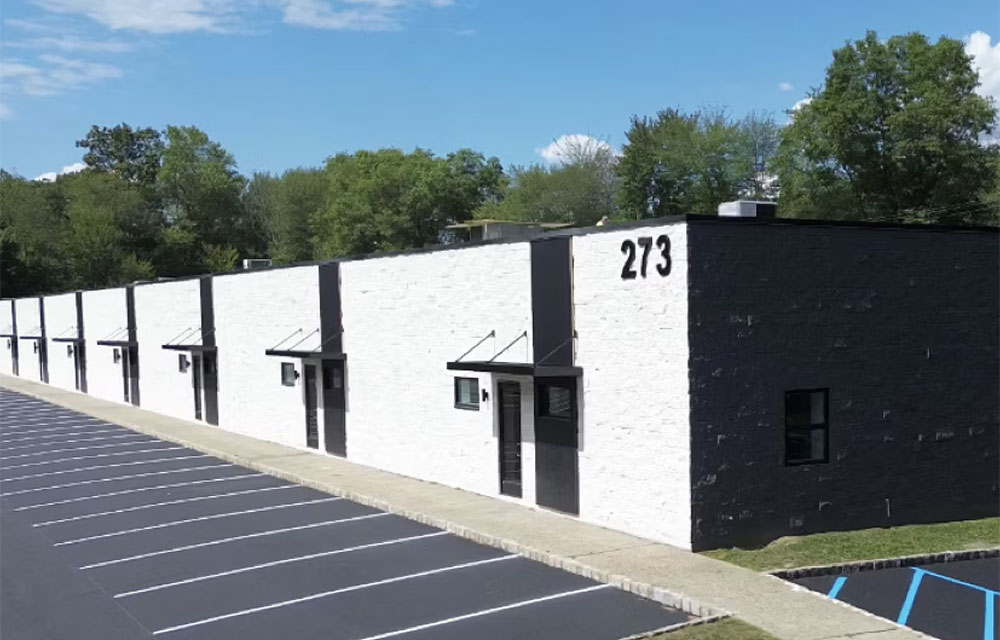
Resource Realty of Northern NJ delivers complete lease-up of 235 Franklin Rd. for Commerce Park Investors
Randolph, NJ Resource Realty of Northern New Jersey (RRNNJ) has completed the lease-up of a 10-unit small-bay industrial property at 273 Franklin Rd., marking the culmination of an investment strategy that began




Columns and Thought Leadership

Hunt commercial real estate question and answer: Fortune 500 wisdom - by David Hunt
Yes, there are lessons to be learned from the largest companies in America when comes to managing your real estate. But the decision to buy or lease real estate may not be one of

Positive forecast for New York’s pro-housing push? - by Philip Butler
New York’s housing crisis remains a hot button topic despite growing consensus that varied and affordable housing is desperately needed statewide. Governor Hochul has recently introduced several initiatives to overcome N.Y.’s anti-housing

New York’s streets are full again, and the retail numbers prove it - by Noam Aziz
Walk down any New York block this year and you can feel it. The sidewalks are crowded, the storefronts are lit, and the energy that defines this city is back at full volume.

A guide to finding the right NYC property management company - by Sanjay Gandhi
Being a small to midsize landlord in NYC is an increasingly demanding endeavor. From navigating complex regulations, increased compliance demands to dealing with tenant issues and remediating violations. It is wise to enlist the assistance of a partner, a professional
.gif)