



News:
Brokerage
Posted: February 24, 2014
ULI New York hosts "NY2020: The Future of the Manhattan Skyline"
Urban Land Institute New York (ULI New York) has hosted a sold-out program entitled "NY2020: The Future of the Manhattan Skyline," which was held on Wednesday, January 15th at Wilkhahn Showroom.
Lynne Sagalyn, Earle Kazis and Benjamin Schore professor of real estate and director of the Paul Milstein Center for Real Estate at Columbia Business School, moderated a panel of developers, architects and urbanists.
The panelists included:
* Jeff Dvorett, vice president for development, Extell Development Company
* Alexander Garvin, president and CEO, AGA Public Realm Strategists
* Erik Horvat, acting director, World Trade Center Redevelopment, Port Authority of New York and New Jersey
* Marianne Kwok, director, Kohn Pedersen Fox
* Michael Samuelian, vice president, Related Companies
Construction Development Calls For Infrastructure Growth
Panelists examined the value of the evolving New York City skyline and the impact projects like Hudson Yards, One 57 and the World Trade Center Complex will have on the City's future. According to these real estate veterans, mixed-use districts, such as Hudson Yards, will offer greater neighborhood planning opportunities than a single building or structure and will benefit from additions to existing infrastructure. The panelists added that for construction to continue to prosper, infrastructure must keep pace with building growth; for example, to develop desirable property at a high rate, effective means of transportation to the property is required.
Following the panel discussion, the speakers engaged in an hour-long networking session with mentees from the ULI New York Mentor Program.
About ULI New York
ULI New York's mission is to provide leadership in the responsible use of land and in creating and sustaining thriving communities worldwide. In so doing, ULI New York serves as the principal forum of real estate professionals in our area, reflecting ULI - the Urban Land Institute's best practices in leadership development, community service and enhancement of land use policy and practice. The organization provides its Members outstanding educational and informational forums and unique professional networking opportunities. For more information on ULI New York, visit: www.newyork.uli.org.
Tags:
Brokerage
MORE FROM Brokerage
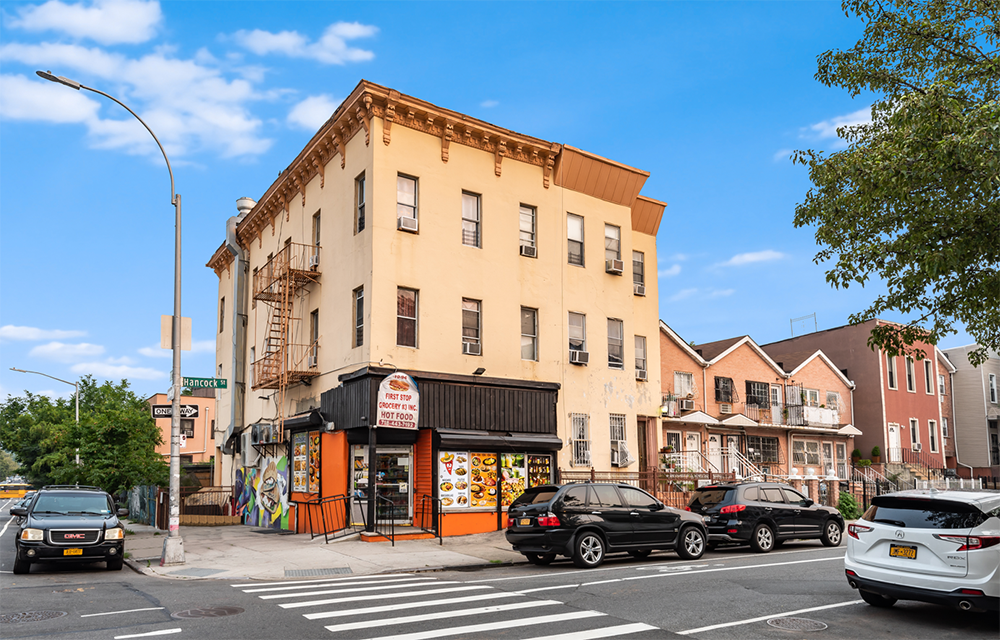
Investment Property Realty Group closes $1.75 million sale of 1094 Hancock Street in Brooklyn
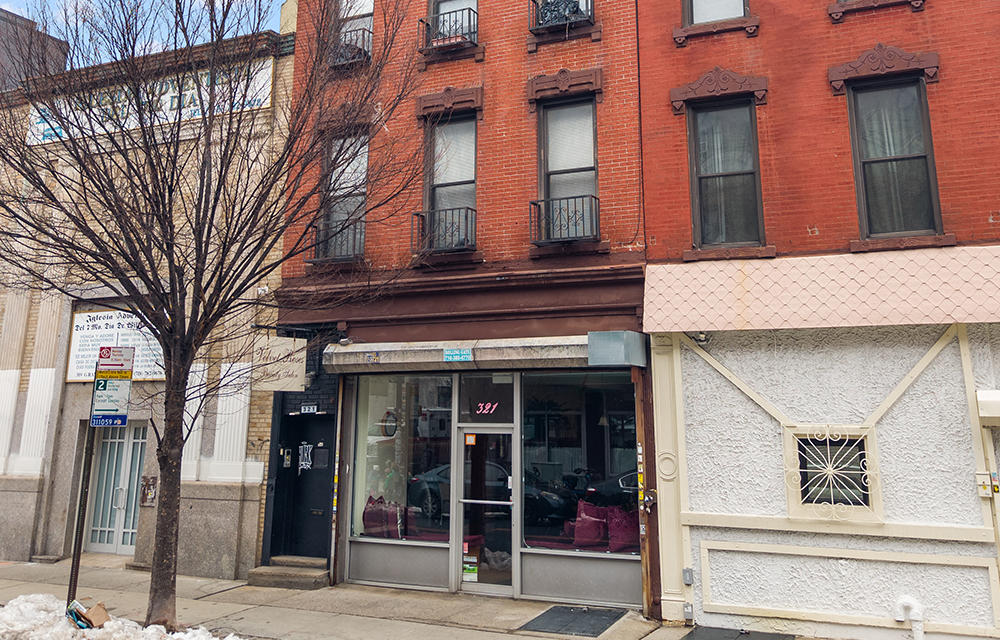
Brooklyn, NY Investment Property Realty Group (IPRG), a New York-based commercial investment firm, has closed the sale of 1094 Hancock St., a mixed-use building in the Bushwick section, for $1.75 million.



Columns and Thought Leadership

Hunt CRE question and answer: Choosing a real estate agent - by David Hunt
First, we will only work with one agent exclusively. The primary reason is that we want that agent to legally represent our client’s interests. In New York State, a real estate agent has a fiduciary

A guide to finding the right NYC property management company - by Sanjay Gandhi
Being a small to midsize landlord in NYC is an increasingly demanding endeavor. From navigating complex regulations, increased compliance demands to dealing with tenant issues and remediating violations. It is wise to enlist the assistance of a partner, a professional

Hunt commercial real estate question and answer: Fortune 500 wisdom - by David Hunt
Yes, there are lessons to be learned from the largest companies in America when comes to managing your real estate. But the decision to buy or lease real estate may not be one of

New York’s streets are full again, and the retail numbers prove it - by Noam Aziz
Walk down any New York block this year and you can feel it. The sidewalks are crowded, the storefronts are lit, and the energy that defines this city is back at full volume.
.gif)