



News:
Brokerage
Posted: September 4, 2015
To succeed, you must get out of your comfort zone
During interviews, after explaining a broker's role and the expectations for them, I ask candidates if they want to be a great broker. The answer is always an emphatic yes. Then I ask if they are willing to pay the price. The answer is always yes but I know the reality is very different. N.Y.C. real estate brokers face difficulties few other careers can match.
To succeed, you must get out of your comfort zone and stretch yourself. You need setbacks because the learning that setbacks foster is an integral step on the path of success. Thomas Edison said famously, after failing repeatedly to create an incandescent lightbulb, "I have not failed. I've just found 10,000 ways that won't work."
Why don't people push themselves? The answer is simple: fear of failure. Individuals often fear failure more then they covet success. And there is the rub; success is born of mini setbacks. The only true failure is giving less then you are capable of.
The gap between a person's capabilities and potential should be as small as possible. The only way to realize potential is through commitment and effort.
Ask yourself, "Will I go as hard as I possibly can, endure the pain and rejection, or will I settle for less?" Most brokers stop when the rejection and setbacks begin and, failing to understand that real estate has a long sales cycle, retreat to a place of comfort. The best brokers face the difficulties, decide to go a little bit harder, and break through to the next performance level. They work longer hours, make more calls, go to more meetings and thus do more deals. They control their attitudes and actions.
Push self-defeating thoughts from your mind. Instead of saying, "I am not getting traction on my deals" as an absolute statement of fact, use it as an opportunity to learn. Identify why you are not getting traction. Solve the riddle.
Mark Schnurman is the chief sales officer, principal at Eastern Consolidated, New York, N.Y.
Tags:
Brokerage
MORE FROM Brokerage
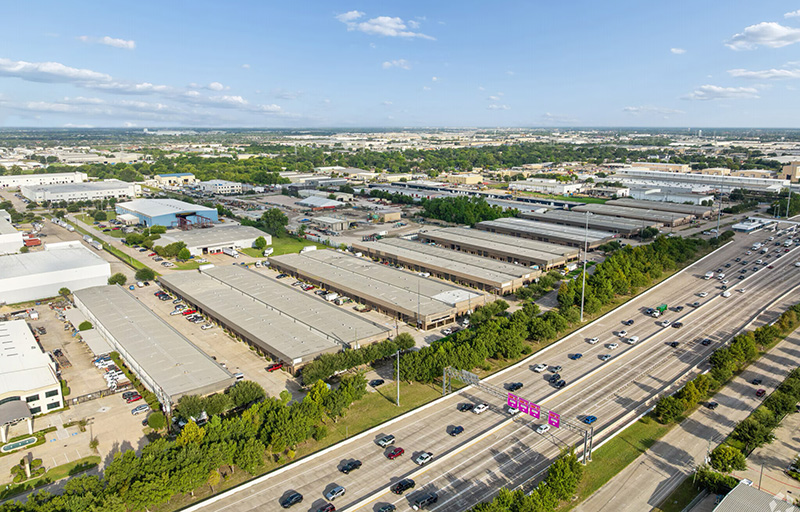
Simi Capital enters Texas with acquisition of 359,000 s/f small-bay industrial portfolio in Northwest Houston
Houston, TX Simi Capital acquired a three-property, 359,000 s/f small-bay industrial portfolio. The transaction, completed in a joint venture with Decker Capital, marks Simi


Quick Hits
 (2).gif)

Columns and Thought Leadership

A guide to finding the right NYC property management company - by Sanjay Gandhi
Being a small to midsize landlord in NYC is an increasingly demanding endeavor. From navigating complex regulations, increased compliance demands to dealing with tenant issues and remediating violations. It is wise to enlist the assistance of a partner, a professional

Hunt commercial real estate question and answer: Fortune 500 wisdom - by David Hunt
Yes, there are lessons to be learned from the largest companies in America when comes to managing your real estate. But the decision to buy or lease real estate may not be one of

Hunt CRE question and answer: Choosing a real estate agent - by David Hunt
First, we will only work with one agent exclusively. The primary reason is that we want that agent to legally represent our client’s interests. In New York State, a real estate agent has a fiduciary

New York’s streets are full again, and the retail numbers prove it - by Noam Aziz
Walk down any New York block this year and you can feel it. The sidewalks are crowded, the storefronts are lit, and the energy that defines this city is back at full volume.
.gif)