



News:
Brokerage
Posted: November 23, 2021
The underappreciated estoppel - by Thomas Kearns

A recent Illinois case highlights the benefits of obtaining an estoppel certificate from a counter-party. Estoppel certificates typically confirm the identity of the documents that make up the parties’ written agreement including any amendments and that the signatory to the estoppel has no offsets against or claims of default under such agreement. In commercial real estate, each mortgage lender often asks its borrower to obtain estoppels from the tenants in the building being mortgaged. The recent Illinois decision, Uncle Tom’s, Inc. v. Lynn Plaza, involved a tenant’s estoppel which certified that the tenant had no offset or defense to its lease obligations. An assignee of the tenant later claimed that the CAM changes under the lease had long been improper. The court ruled in favor of the landlord and wrote that the disputed charge “was just the sort of defense or offset against the landlord’s enforcement of the lease that the lender was attempting to uncover by requiring the certificate.”
The same result should occur under New York law. In a 2003 court decision in SRM Card Shop, Inc. v. 1740 Broadway Assocs., L.P., the tenant’s demand to enforce an oral modification of the lease was denied by the court due to an estoppel certificate previously signed by the tenant which did not mention the oral modification.
While often required by lenders, the typical lease has an estoppel clause under which the tenant is required to deliver estoppel certificates upon landlord’s request.
Landlords should consider asking for estoppels more often than only when refinancing the building’s mortgage including, for example, a few months after the landlord’s work in the space has been completed. Perhaps an annual request? For landlords, estoppel certificates are helpful to have in the file.
Tenants should review estoppels carefully and be sure to list any claims they have against the landlord. In addition, some unscrupulous landlords can try to slip in lease amendments to a document designed to look like a mere estoppel.
But how about other contractual arrangements such as property purchase agreements, particularly those with long closing dates, or LLC agreements. For example, if a buyer requests a closing adjournment, the seller should consider asking for a certificate confirming that the buyer has no defenses or offsets to the contract and that the seller is not in default. Managers of LLCs should consider asking members of the LLC to deliver estoppels to them in connection with amendments to LLC agreements or in connection with significant transactions.
In short, estoppel certificates can be useful by all sides in commercial real estate transactions and, absent fraud or other unusual circumstance, can be used by the receiving party as evidence that, as of a certain date, the party executing the estoppel has no offsets or defenses to its contractual obligations.
Thomas Kearns is a partner with Olshan Frome Wolosky LLP’s real estate department, New York, N.Y.
Tags:
Brokerage
MORE FROM Brokerage
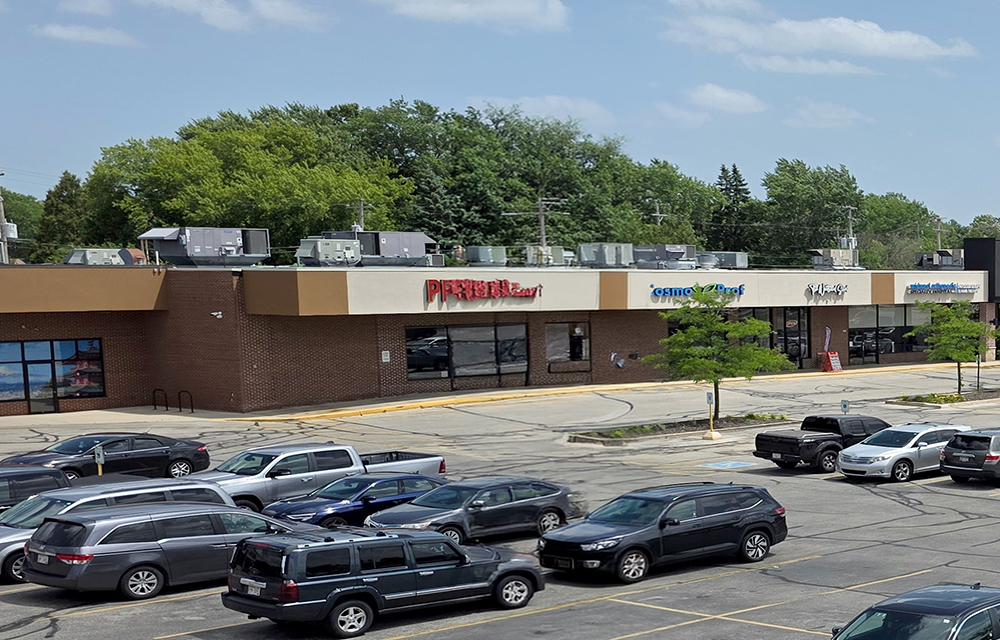
United Properties Corp. expands Wisconsin and Illinois retail presence adding 200,000 s/f
West Allis, WI United Properties Corp. completed two retail acquisitions totaling $27.4 million across Illinois and Wisconsin, adding 205,000 s/f of shopping center space to its portfolio




 (2).gif)

Columns and Thought Leadership

New York’s streets are full again, and the retail numbers prove it - by Noam Aziz
Walk down any New York block this year and you can feel it. The sidewalks are crowded, the storefronts are lit, and the energy that defines this city is back at full volume.

Hunt commercial real estate question and answer: Fortune 500 wisdom - by David Hunt
Yes, there are lessons to be learned from the largest companies in America when comes to managing your real estate. But the decision to buy or lease real estate may not be one of

A guide to finding the right NYC property management company - by Sanjay Gandhi
Being a small to midsize landlord in NYC is an increasingly demanding endeavor. From navigating complex regulations, increased compliance demands to dealing with tenant issues and remediating violations. It is wise to enlist the assistance of a partner, a professional

Positive forecast for New York’s pro-housing push? - by Philip Butler
New York’s housing crisis remains a hot button topic despite growing consensus that varied and affordable housing is desperately needed statewide. Governor Hochul has recently introduced several initiatives to overcome N.Y.’s anti-housing
.gif)