



News:
Brokerage
Posted: January 27, 2014
The shift to crowdfunding portals to finance real estate projects
BBVA's research team examined the prospects of crowdfunding in the Economic Outlook report produced for the Second Quarter of 2013. They highlight that crowdfunding's value proposition is simplicity and efficiency. Building on this conclusion, they speculate that crowdfunding will cause conventional banks to eventually lose market share. Once crowdfunding portals have served early adopters and proven their value proposition, they will rapidly gain market share and achieve widespread adoption, at the expense of incumbents. The simplicity and efficiency of crowdfunding will result in lower transaction costs due to less involvement from financial intermediaries, more opportunities for direct risk assessment by investors, and, consequently, higher returns. Thus, while in the short run these financial products will only cater to a non-institutional and proactive subset of investors in the financial markets, they will eventually capture significant market share.
There is a broad spectrum of control among crowdfunding portals: from the fully hands-on and vertically integrated, such as Real Crowd (where the portal sponsors and manages each deal that gets listed), to the more hands-off, non-intermediated approach taken by GroundBreaker (where the portal provides a marketplace for investors and sponsors to interact but is otherwise not involved in the deal). The more restrictive portals manage risk by pre-vetting and co-sponsoring projects, at the cost of lower returns for investors and/or the operator, while the more liberal ones expect investors to manage risk by performing their own due diligence, maximizing their potential returns. It is this last breed of portals that will best realize the market efficiencies of crowdfunding by empowering individuals to invest based on their diligence and preferences.
While the liberalization of markets through crowdfunding will improve efficiencies, the more that is expected of the investor by a portal, the more the portal must ensure the involvement of competent developers and experienced investors. Despite these concerns, in the era of "big data," the crowd may be the most reliable source of analysis. On more open and active platforms, investors stand to benefit from crowdsourced investment analysis, something that has made companies like Estimize.com so successful.
Regardless of the winning approach to real estate crowdfunding, we should expect an increasing portion of the multi-billion dollar real estate market to shift to direct investments through crowdfunding portals. Both investors and real estate developers stand to gain from this disruptive technology as it brings higher deal flow and more efficient access to capital. It is only conventional investment firms that stand to lose.
Matt Steele is the advisor at GroundBreaker, New York, NY.
Tags:
Brokerage
MORE FROM Brokerage
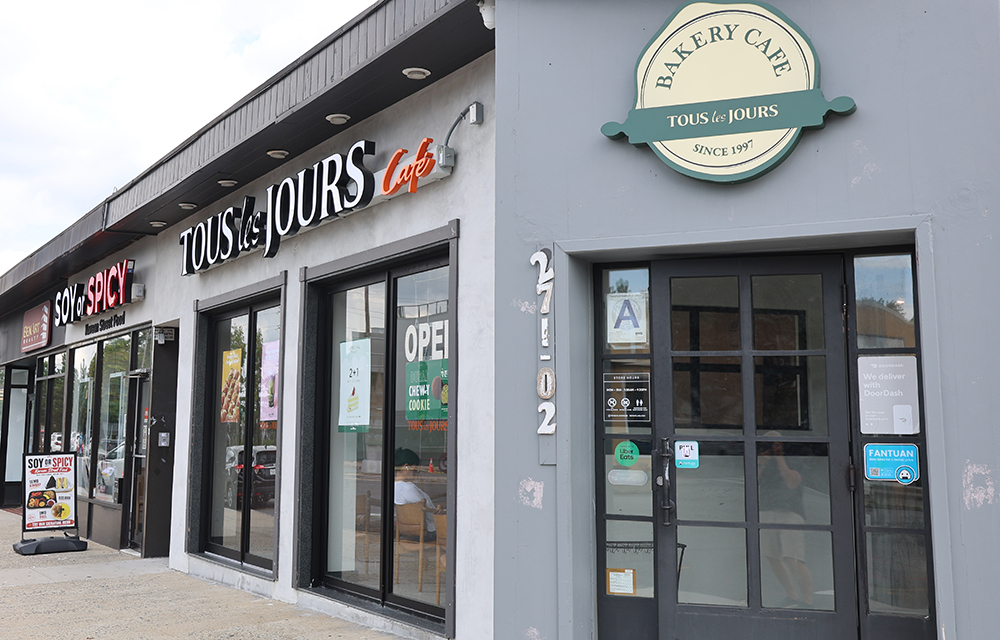
Sobel of RIPCO Real Estate signs Redefine Meals as newest tenant at New Hyde Park Place
New Hyde Park, NY New Hyde Park Place, the rebranded commercial property at 271-02 Union Tpke.on the Nassau/Queens border, has signed new tenant Redefine Meals, the Long Island-based prepared-meal company, for a new 1,000 s/f location, starting on September

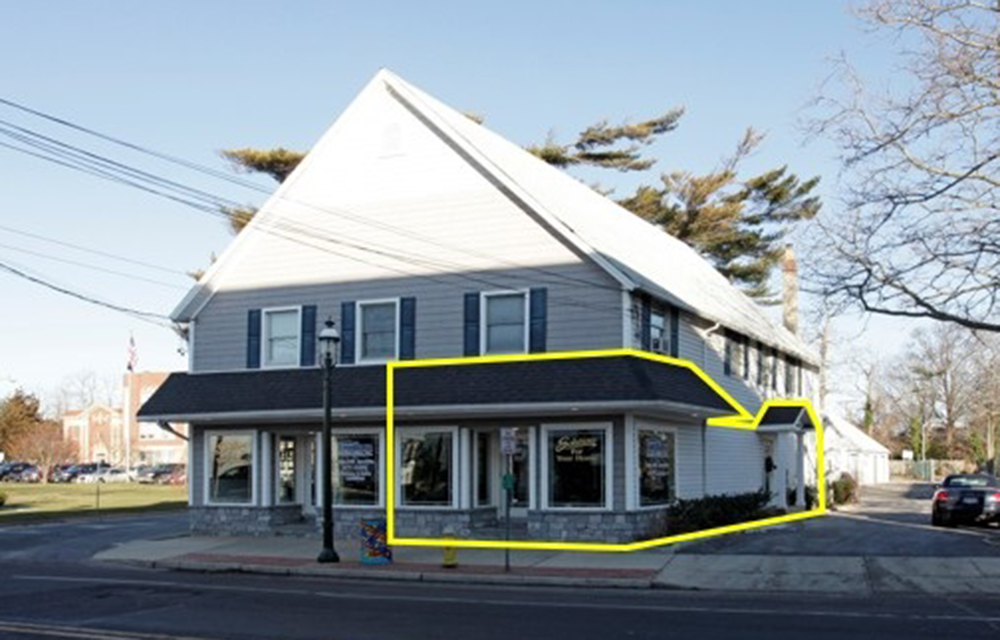




Quick Hits

Columns and Thought Leadership

A guide to finding the right NYC property management company - by Sanjay Gandhi
Being a small to midsize landlord in NYC is an increasingly demanding endeavor. From navigating complex regulations, increased compliance demands to dealing with tenant issues and remediating violations. It is wise to enlist the assistance of a partner, a professional

Positive forecast for New York’s pro-housing push? - by Philip Butler
New York’s housing crisis remains a hot button topic despite growing consensus that varied and affordable housing is desperately needed statewide. Governor Hochul has recently introduced several initiatives to overcome N.Y.’s anti-housing

Hunt commercial real estate question and answer: Fortune 500 wisdom - by David Hunt
Yes, there are lessons to be learned from the largest companies in America when comes to managing your real estate. But the decision to buy or lease real estate may not be one of

New York’s streets are full again, and the retail numbers prove it - by Noam Aziz
Walk down any New York block this year and you can feel it. The sidewalks are crowded, the storefronts are lit, and the energy that defines this city is back at full volume.
.gif)
September Promotion
