



News:
Construction Design & Engineering
Posted: January 27, 2026
The ROI of installing smart boilers in multi-unit residences - by Soloff

Heating is one of the largest operational expenses for apartment buildings, yet many multi-unit residences still rely on traditional boilers. Conventional systems often run on fixed schedules and many don’t optimize energy use, which leads to higher utility bills, uneven heating across units, tenant complaints, and costly maintenance issues. Smart boiler systems offer a modern solution, as they feature IoT connectivity, automated controls, and more so property managers can monitor and adjust heating in real time.
As president and co-founder of EnTech, a company focused on smart energy solutions for apartment buildings, I’ve seen firsthand how smart boilers offer so much more than convenience. These systems can deliver significant cost savings, enhanced resident comfort, and environmental benefits. Here is what to know about the ROI of upgrading to smart boilers, considering upfront costs, operational savings, tenant advantages, environmental impact, and key factors for building owners.
Understanding Smart Boiler Systems
Smart boilers integrate traditional heating technology with digital controls. They offer IoT connectivity so that property managers can monitor performance and energy consumption remotely. Smart boilers also offer predictive maintenance, where sensors detect anomalies or inefficiencies. This allows issues to be addressed before they escalate into costly repairs.
Smart boilers also have automated temperature control, as systems adjust heating based on occupancy, outdoor temperature, or user preferences. This ensures energy isn’t wasted. Another big benefit of smart boilers is remote monitoring, where alerts and dashboards provide real-time insights into performance, fuel usage, and system health.
Compared to conventional boilers, smart systems are far more efficient. Traditional boilers operate on preset cycles, often heating empty units or running longer than necessary. On the other hand, smart boilers can adapt to actual demand, which reduces fuel consumption and wear on the system.
For multi-unit buildings, these systems integrate into existing infrastructure, connecting multiple units to a central control platform. This allows property managers to optimize heating across the building while maintaining individual unit comfort.
Upfront Costs of Smart Boiler Installation
The initial investment for a smart boiler system includes both equipment and installation. Costs vary depending on building size and system complexity: For small to mid-sized buildings, the cost is typically $8,000–$15,000 per system. And for large complexes, the cost is about $20,000+ for multiple boilers and integrated controls.
Older buildings may incur additional retrofitting costs, such as upgrading piping, insulation, or electrical connections to accommodate the new technology. Fortunately, property owners can offset some costs through financing options, energy-efficiency incentives, and government rebates. Many regions offer grants or tax credits for upgrading to energy-saving systems, effectively reducing the payback period.
Operational Savings
Smart boilers deliver measurable operational savings across three key areas, the first one being energy efficiency. Automated scheduling and adaptive controls reduce fuel consumption. For example, a mid-sized apartment building could see a 15–25% decrease in heating costs annually.
There are also maintenance savings, as predictive diagnostics allow technicians to address minor issues before they escalate. This ultimately lowers emergency repair costs. Some building managers report a 30% reduction in maintenance expenditures within the first year.
Smart boilers also have an extended equipment lifespan! Avoiding unnecessary boiler cycling reduces wear and tear, which extends the system’s operational life by several years.
Real-world examples reinforce these benefits. One 50-unit apartment building in the Northeast U.S. installed a smart boiler system and observed annual heating cost reductions of $12,000, along with fewer tenant complaints and maintenance calls.
Tenant Benefits and Satisfaction
Upgrading to a smart boiler system doesn’t just improve finances; it enhances the living experience for tenants. First off, smart boilers ensure there is consistent heating. Units maintain desired temperatures more reliably, overall improving comfort. A smart boiler’s automated monitoring and rapid issue response also leads to fewer disruptions, which results in higher retention rates and fewer complaints.
There are also cost-sharing opportunities; in some arrangements, energy savings can be partially passed on to tenants through utility credits, reinforcing goodwill and satisfaction. Overall, satisfied tenants are more likely to renew leases, which reduces vacancy and turnover costs and further contributes to ROI.
Environmental and Regulatory Impact
Smart boilers help building owners meet sustainability targets and regulatory requirements: They have a reduced carbon footprint, as their optimized energy use directly lowers emissions. This helps support corporate or community sustainability goals! Smart boilers also comply with energy regulations. Many municipalities require energy-efficient systems in multi-unit buildings, and smart boilers often meet or exceed these standards.
And let’s not forget about the enhanced property value! Energy-efficient and eco-friendly upgrades can increase marketability and resale value, attracting environmentally conscious tenants.
Calculating ROI
The ROI of a smart boiler system can be calculated using the formula:
ROI = (Savings + Added Value – Costs) ÷ Costs
Factors influencing ROI include building size, tenant density, climate, fuel type, and system usage patterns. In typical scenarios, multi-unit residences can achieve full payback in 3 to 6 years, with continued savings beyond that period.
Let’s look at a case study. A 75-unit building in Chicago replaced conventional boilers with smart systems. After one year, energy costs dropped 18%, emergency maintenance calls decreased by 40%, and tenant satisfaction scores improved. Overall, these factors lead to higher lease renewal rates. This example highlights the tangible financial and operational benefits of smart boilers.
Considerations
While the advantages are compelling, there are a few considerations for building managers to keep in mind. One is the initial costs, as the high upfront investment may require budgeting or financing strategies. Apartment building managers should also consider the integration process. Retrofitting older infrastructure can be complex and require expert assessment.
Staff training will also be crucial, as proper use of monitoring software and maintenance protocols is essential to maximize benefits.
Maximize ROI with Modern, Sustainable Heating!
Smart boilers are more than an upgrade; they’re a strategic investment in energy efficiency, tenant satisfaction, and long-term savings. With lower fuel and maintenance costs, environmental compliance, and increased property value, they deliver benefits beyond immediate operations. For property owners, installing a smart boiler system is a forward-thinking, high-ROI solution that blends financial sense with sustainable building management.
Simon Soloff is the President and co-founder of EnTech.
MORE FROM Construction Design & Engineering
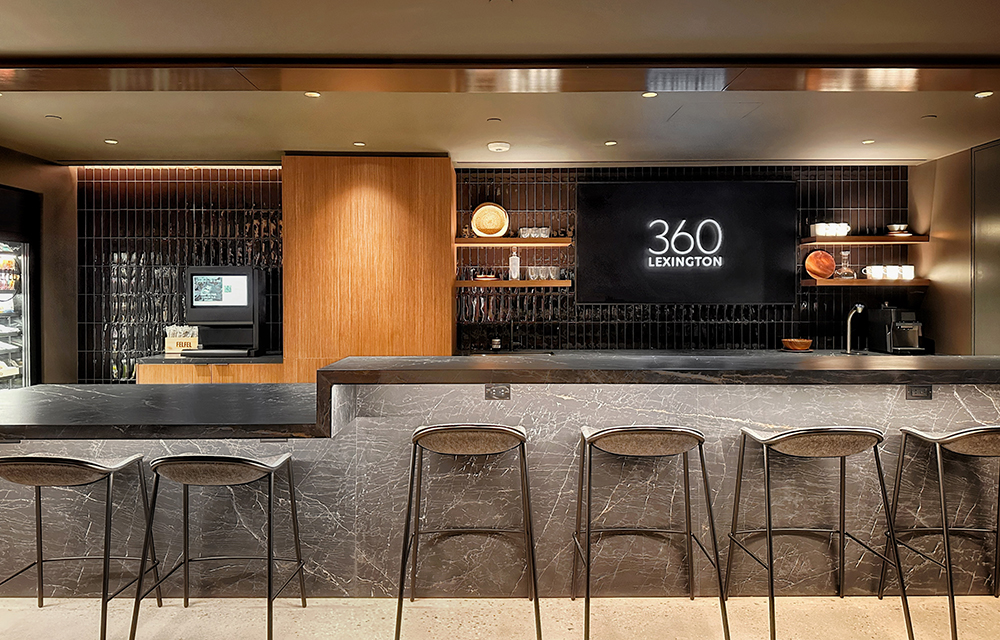
AmTrustRE and MdeAS Architects complete modernization of 360 Lexington Ave. in Midtown
Manhattan, NY AmTrustRE has completed a comprehensive modernization at 360 Lexington Ave. Led by New York-based architecture firm MdeAS Architects, the project reimagines the 268,000 s/f office building as a modern, hospitality-driven workplace designed to meet the evolving needs of tenants.

Quick Hits

Columns and Thought Leadership

We support green construction. Just not this kind - by Tammy Smith
Most people think of St. Patrick’s Day as a fun footnote on the calendar. In construction logistics, however, it’s a full-scale operational variable — especially if your work touches major metro areas with major parades and, let’s call it what it is, enthusiastic celebrants.

The Façade is no longer just a finish. It’s a risk strategy. - by Bentley Zhao
Twelve-billion-dollar weather disasters have already hit the U.S. through the first half of 2026, causing at least $31.9 billion in damage, according to Climate Central, the nonprofit that now maintains the disaster database NOAA discontinued.

Premium experiences, proven returns: The New revenue playbook for sports venues - by Terry McIntyre
Investing in the Fan Experience as a Revenue Strategy The sports and entertainment venues that bet on premium experiences years ago are now seeing those investments pay off in packed seats, increased revenue, and industry recognition.
