



News:
Brokerage
Posted: August 26, 2013
The Lightstone Group closes $43 million pre-development financing loan with Banco Inbursa; For Fulton Street project, a 58-story, $280 million building; Loan structured by HFF
The Lightstone Group, a privately held real estate company founded by David Lichtenstein, has closed a $43 million pre-development loan with Banco Inbursa, S.A., Institución de Banca Múltiple, Grupo Financiero Inbursa, (Banco Inbursa) for its Fulton St. project. The loan has a one-year term with two one-year extensions.
The project is an assemblage of three fee parcels and seven air-rights parcels between Nassau and Dutch Sts., creating a 422,000 gross s/f development site. The parcels were all acquired by Lightstone for $76 million.
Upon completion, the project will consist of 475 residential units in 58 stories. The building will have a suite of amenities including a 24-hour doorman, roof-top terrace and full fitness center. There will also be two floors of retail space, with 18-foot finished ceilings and totaling 20,000 s/f. The estimated development cost for the Fulton St. project is $280 million.
"We are very excited about closing our first loan with Banco Inbursa for our Fulton St. project," said Lichtenstein, Chairman and CEO of Lightstone. "We hope this is the start of a great long-term partnership between Lightstone and Banco Inbursa."
The location is within walking distance to the new Fulton Center transportation hub, trendy restaurants, shops and hotels. Demolition on the site is expected to begin shortly.
Holliday Fenoglio Fowler, L.P. (HFF) structured the financing.
Lightstone, founded in 1988, is a privately held real estate company. Today, Lightstone's portfolio consists of 11,000 multifamily units, 8.1 million s/f of office, hotel, retail and industrial assets, and 12,000 fully-improved residential lots throughout the U.S.
Lightstone and its affiliates have been one of the largest developers of outlet shopping centers in the U.S. over the last 10 years. The company has owned, managed and developed 25 outlet centers totaling 8 million s/f.
Tags:
Brokerage
MORE FROM Brokerage
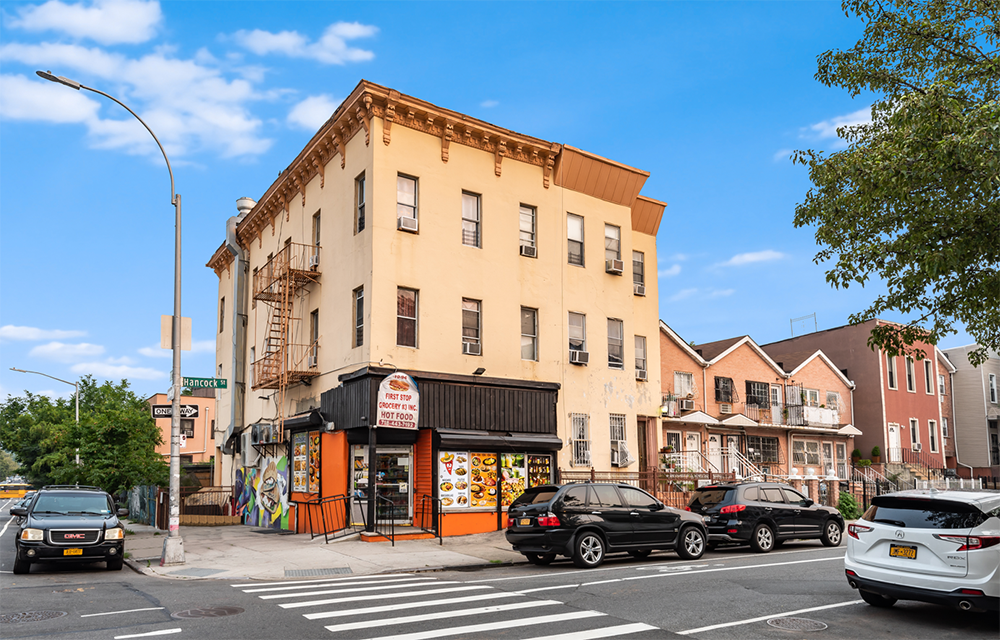
Investment Property Realty Group closes $1.75 million sale of 1094 Hancock Street in Brooklyn
Brooklyn, NY Investment Property Realty Group (IPRG), a New York-based commercial investment firm, has closed the sale of 1094 Hancock St., a mixed-use building in the Bushwick section, for $1.75 million.



Columns and Thought Leadership

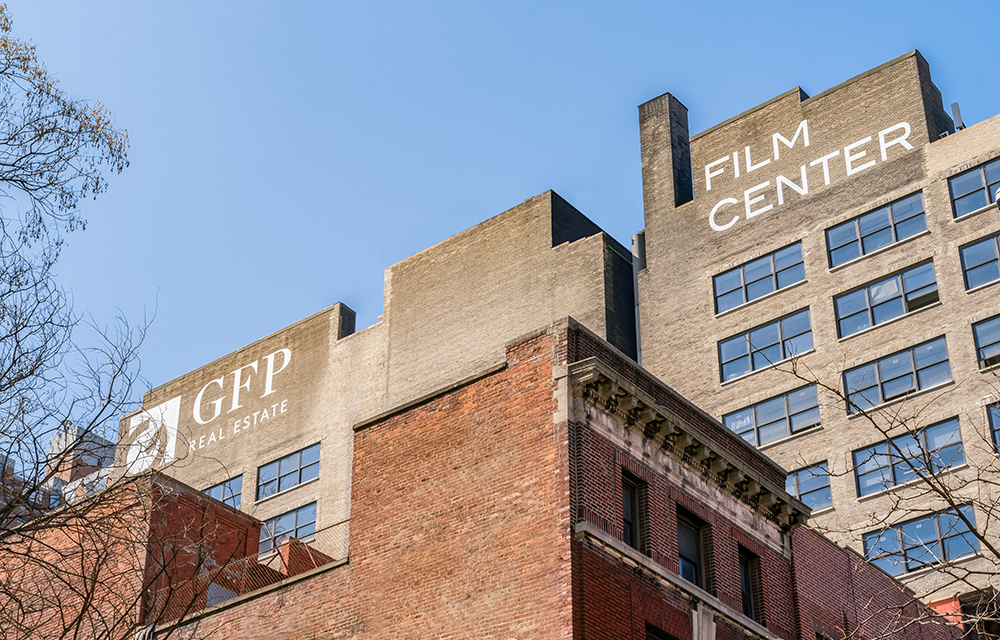
Hunt commercial real estate question and answer: Fortune 500 wisdom - by David Hunt
Yes, there are lessons to be learned from the largest companies in America when comes to managing your real estate. But the decision to buy or lease real estate may not be one of

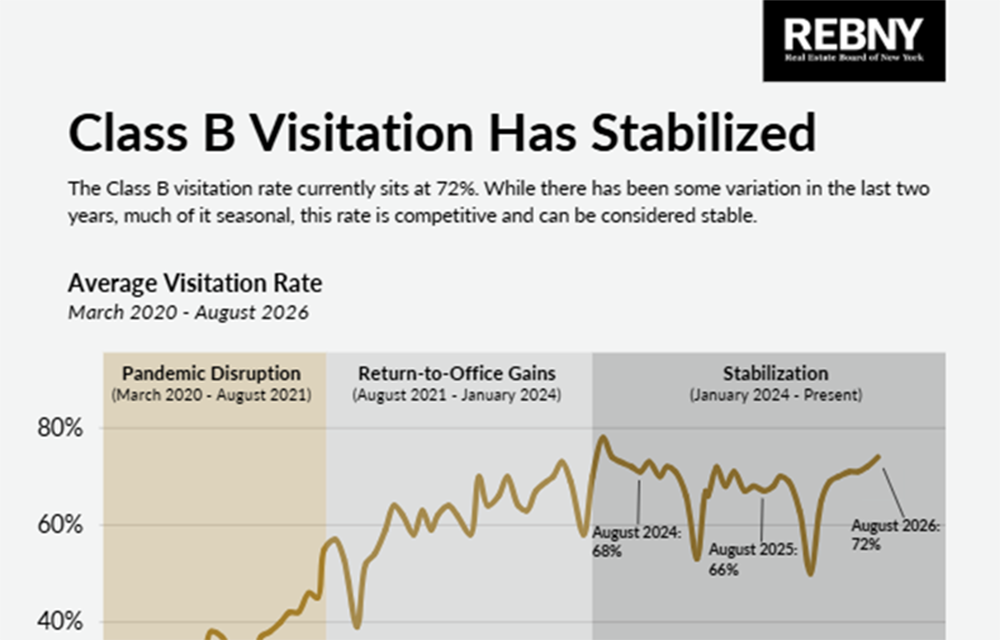
New York’s streets are full again, and the retail numbers prove it - by Noam Aziz
Walk down any New York block this year and you can feel it. The sidewalks are crowded, the storefronts are lit, and the energy that defines this city is back at full volume.

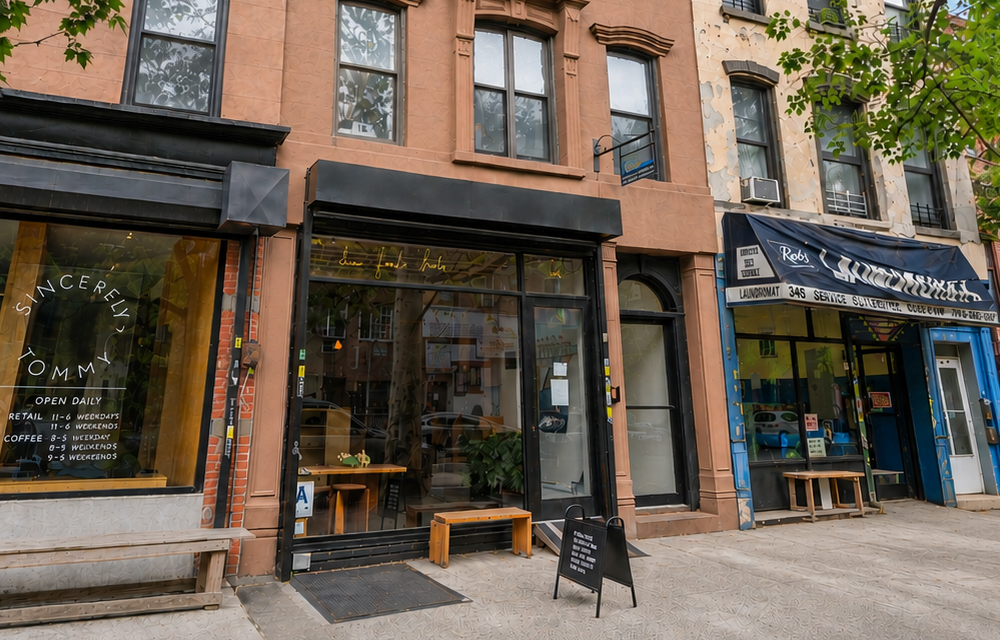
Hunt CRE question and answer: Choosing a real estate agent - by David Hunt
First, we will only work with one agent exclusively. The primary reason is that we want that agent to legally represent our client’s interests. In New York State, a real estate agent has a fiduciary

A guide to finding the right NYC property management company - by Sanjay Gandhi
Being a small to midsize landlord in NYC is an increasingly demanding endeavor. From navigating complex regulations, increased compliance demands to dealing with tenant issues and remediating violations. It is wise to enlist the assistance of a partner, a professional
.gif)