



News:
Brokerage
Posted: February 23, 2015
The Hudson Valley apartment market: 2015 leading to strong demand from both tenants and investors
Large national investors are active in the southern Westchester County apartment market. The DSF Group, a private real estate investment firm based in Boston and Washington DC, purchased the Avalon on the Sound East, a 588 unit, 39-story class A apartment building in the city of New Rochelle for $210 million at the end of 2013. AvalonBay Communities, a publicly listed REIT specializing in the construction of luxury rental projects, built the property for $187 million in 2007. At $357,000 per apartment, it is the highest price per unit multifamily sale transaction in Westchester County. The property transferred with a 30 year PILOT (payment in lieu of taxes) intact through 2035 from New Rochelle, an annual savings of $7 million of city, school, and library taxes for the buyer. At sale the property was 98% occupied with an average apartment rent of $2,232 per month or about $2.41 per s/f per month, the high occupancy indicative of a very tight rental market. The reported 5.9% cap-rate is representative of class A multifamily sales and inline with the prices paid by institutional investors.
The Avalon on the Sound East, along with the previously built by AvalonBay rental Avalon on the Sound, and the Trump Plaza condominium constitute the three luxury hi-rise multifamily complexes built near Metro-North Railroad's downtown New Rochelle train station. The intent is to attract Manhattan commuters and other high income professionals to create a new urban living environment in the downtown. The city of New Rochelle offered tax breaks and PILOT agreements as incentives for the new construction. The results are mixed as the Avalon on the Sound East has a large student population from Monroe College and condominiums from the Trump Plaza have been offered for resale below their initial purchase prices.
AvalonBay continues to pursue the high end rental market in Westchester County. The Avalon Ossining is under construction in the village of Ossining; the 168 luxury garden apartments are budgeted at $37.4 million or $222,000 per unit. The development will be a mix of one- to three-bedroom units with rents starting at $1,700 per month. Ten percent of the apartments will be set aside as affordable housing.
More representative of the class B apartment rental market and vast majority of the inventory in the Hudson Valley, together the counties of Dutchess, Westchester, Rockland, Ulster, Putnam, and Orange, the 2013 Dutchess County Rental Housing Survey reported a 2.9% vacancy rate, a 1.8% year over year rent growth, and a $1,325 average two-bedroom monthly rent. The average 2014 HUD fair market rent for a two-bedroom for these counties is $1,318 per month. Vacancy rates below 5% and positive rent growth attract investors and there is considerable demand in the resale market for existing professionally managed complexes.
Typical of the Hudson Valley's class B sales, the 130-unit Dutch Village Apartments in Kingston in Ulster County, a brick suburban garden complex built in 1973, sold for $7.65 million at the end of 2013 at a 7.2% cap-rate or near $59,000 per apartment. More attractive cap-rates and pricing are available in the counties north of Rockland and Westchester. At the time of closing occupancy was reported at 95% and monthly rents from $740 to $990. Value add investments such as this give the buyer an opportunity to make targeted capital improvements, reposition the property in the market, and raise the rents.
Expect a strengthening economy including job growth, new household formation, and income increases in 2015 leading to strong demand for apartments from both tenants and investors. Mortgage financing for multifamily sale transactions remains readily available from multiple sources and at all time low interest rates.
Brian Heine is a licensed real estate broker in New York state.
Tags:
Brokerage
MORE FROM Brokerage
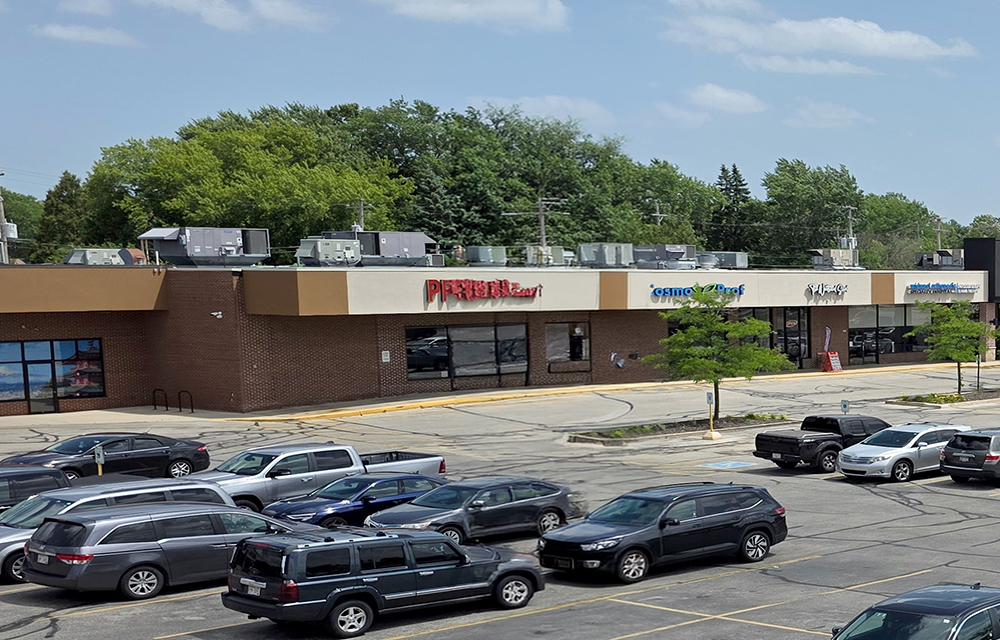
United Properties Corp. expands Wisconsin and Illinois retail presence adding 200,000 s/f
West Allis, WI United Properties Corp. completed two retail acquisitions totaling $27.4 million across Illinois and Wisconsin, adding 205,000 s/f of shopping center space to its portfolio


 (2).gif)

Columns and Thought Leadership

New York’s streets are full again, and the retail numbers prove it - by Noam Aziz
Walk down any New York block this year and you can feel it. The sidewalks are crowded, the storefronts are lit, and the energy that defines this city is back at full volume.

Positive forecast for New York’s pro-housing push? - by Philip Butler
New York’s housing crisis remains a hot button topic despite growing consensus that varied and affordable housing is desperately needed statewide. Governor Hochul has recently introduced several initiatives to overcome N.Y.’s anti-housing

Hunt commercial real estate question and answer: Fortune 500 wisdom - by David Hunt
Yes, there are lessons to be learned from the largest companies in America when comes to managing your real estate. But the decision to buy or lease real estate may not be one of

A guide to finding the right NYC property management company - by Sanjay Gandhi
Being a small to midsize landlord in NYC is an increasingly demanding endeavor. From navigating complex regulations, increased compliance demands to dealing with tenant issues and remediating violations. It is wise to enlist the assistance of a partner, a professional
.gif)