



News:
Brokerage
Posted: July 26, 2009
The Bronx is not burning
Is the Bronx still a good place to invest in real estate? Now is arguably better than ever to find value under the right circumstances. The strongest suggestion I make to clients looking for new multifamily investments in the Bronx is to look for properties with a very low average rent per room. With proper management, this tactic offers an investor long-term potential for steady and stable growth. However, there are caveats to this approach. Often these scenarios demand higher equity requirements. This is because the building's net operating income is lower as a result of lower rents and does not support a high loan-to-value ratio. Additionally, these types of investments typically require capital to improve the property in order to command higher rents. Thus they will not show a return the first several years of ownership. Real estate is obviously a long-term investment horizon, typically rewarding those who hang in there over time. As lenders are presently financing only cash-flowing assets, those who come in with higher equity and gradually maximize the income over time realize the payoff.
For example, my team just sold 1275 Edward L. Grant Hwy., a 6-story elevator building with 61 apartments and 4 stores in the Highbridge area. The average rent per room was $209, which was 25-30% under market rate rent. The property traded for $3.625 million, which amounts to 5.6 gross rent multiplier and $57 price per s/f...a solid value for the new owners.
Despite these points, the compelling reason to invest in a lower rent apartment building is the ability to grow the income. Buildings appreciate for many reasons, including gentrification, population growth or New York's consistent high demand for rental housing. The main way for a building to appreciate in value is an increase in income. This broker's advice: "Buy low rents and sell high."
Colin Rowen is sr. director at Besen & Associates, New York, N.Y.
Tags:
Brokerage
MORE FROM Brokerage
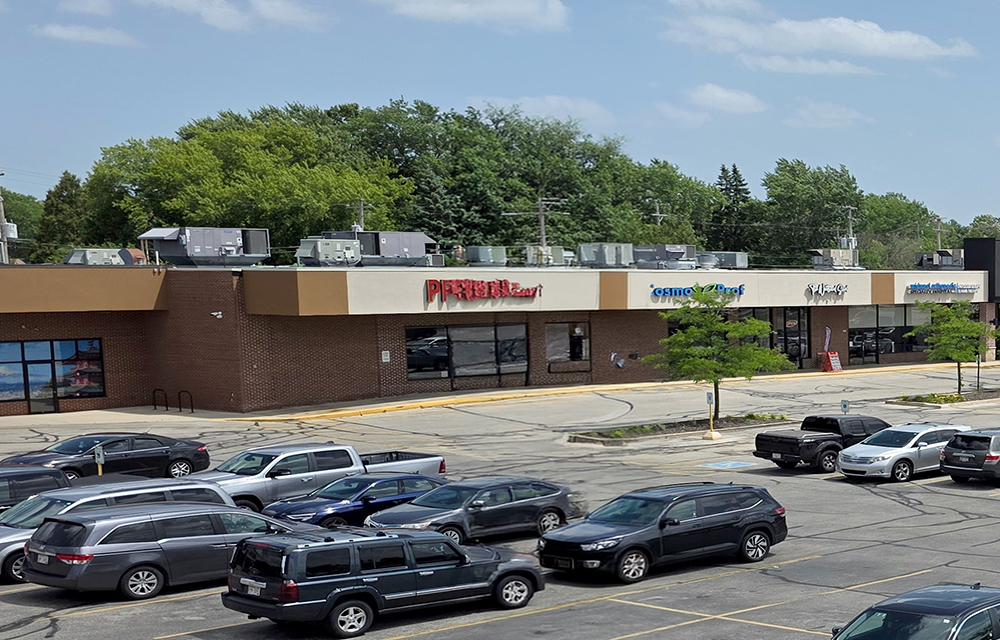
United Properties Corp. expands Wisconsin and Illinois retail presence adding 200,000 s/f
West Allis, WI United Properties Corp. completed two retail acquisitions totaling $27.4 million across Illinois and Wisconsin, adding 205,000 s/f of shopping center space to its portfolio



Quick Hits

Columns and Thought Leadership

Hunt commercial real estate question and answer: Fortune 500 wisdom - by David Hunt
Yes, there are lessons to be learned from the largest companies in America when comes to managing your real estate. But the decision to buy or lease real estate may not be one of

New York’s streets are full again, and the retail numbers prove it - by Noam Aziz
Walk down any New York block this year and you can feel it. The sidewalks are crowded, the storefronts are lit, and the energy that defines this city is back at full volume.

A guide to finding the right NYC property management company - by Sanjay Gandhi
Being a small to midsize landlord in NYC is an increasingly demanding endeavor. From navigating complex regulations, increased compliance demands to dealing with tenant issues and remediating violations. It is wise to enlist the assistance of a partner, a professional

Positive forecast for New York’s pro-housing push? - by Philip Butler
New York’s housing crisis remains a hot button topic despite growing consensus that varied and affordable housing is desperately needed statewide. Governor Hochul has recently introduced several initiatives to overcome N.Y.’s anti-housing
.gif)