



News:
Brokerage
Posted: July 21, 2008
The benefits of BOMA's RPA designation program
BOMI International's RPA designation program serves the educational needs of both third-party property managers and corporate property managers. By familiarizing candidates with the many aspects of operating a commercial building, the RPA designation program helps a manager integrate these issues into the broader task of property management. Candidates gain the insight and knowledge necessary to analyze a building in its entirety: building systems design, operation, and maintenance; commercial real estate law; investment and finance; risk management and insurance; leasing and marketing; asset management; environmental health and safety; and more. The RPA program teaches managers to maximize a building's net income while minimizing risks, thereby enhancing their standing in the industry and positioning them for long-term success.
To earn an RPA designation, candidates must complete six mandatory courses plus the Ethics Is Good Business course and one elective course. The mandatory courses are Budgeting and Accounting, Real Estate Investment and Finance, Environmental Health and Safety Issues, Law and Risk Management, and The Design, Operation and Maintenance of Building Systems, Parts 1 and 2. A candidate can choose one elective among four options: Leasing and Marketing for Property Managers, Fundamentals of Real Property Administration, Asset Management, and Managing the Organization. Courses do not have to be taken in any specific order; however, anyone who is new to BOMI's curriculum, would be recommended to begin with subject matter they are already familiar with and save new material for later study. This will ensure immediate success in their professional development.
Before an RPA designation is awarded, candidates are required to demonstrate three years of verifiable property management experience, performed for a portfolio or building 40,000 s/f or larger. Work-related experience must include responsibility in 18 of 25 categories of property management.
In addition to requiring Ethics Is Good Business the institute has developed a Code of Professional Ethics and Conduct to increase the esteem of the designation and to promote honesty as an integral part of an RPA's reputation. As part of the RPA certifi cation, candidates are asked to abide by this code.
The BOMA of Greater Rochester chapter has several individuals who hold the RPA designation, including Robert Tait, president of Broadstone Real Estate; Mariann Hooper, VP of RYCO Management; Carl Bensen, facilities manager for Elmer W. Davis; and Don Jones, director of operations for LeChase Facilities Management.
Tags:
Brokerage
MORE FROM Brokerage
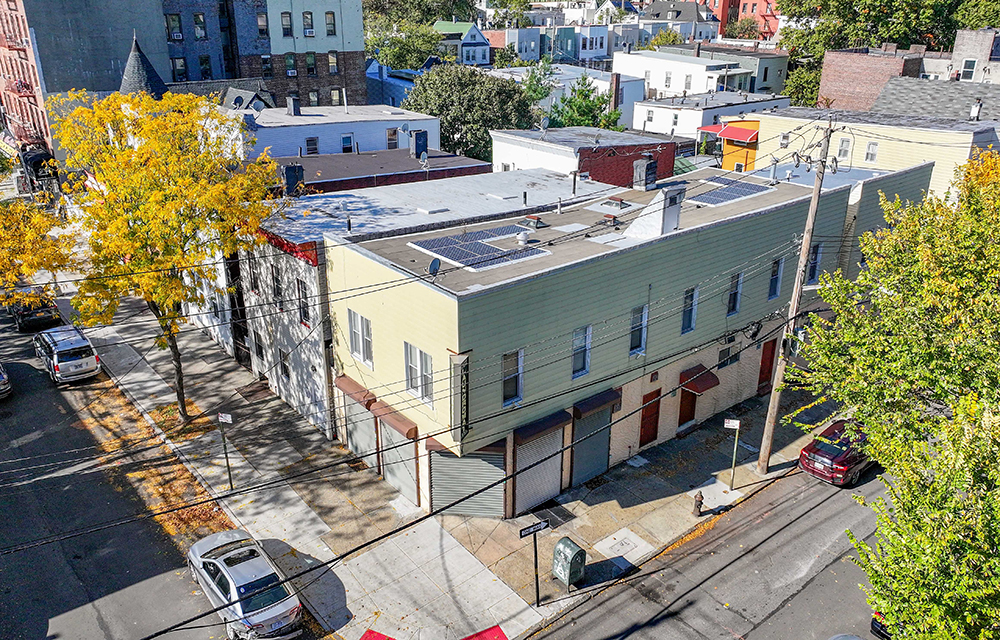
Investment Property Realty Group’s Team Friedman closes five Bronx sales totaling $5.3 million
Bronx, NY Investment Property Realty Group’s (IPRG) Team Friedman closed five sales totaling $5.3 million in the month of September. • 1707 Melville St. sold for $1.35 million. Located in Van Nest, the property




Quick Hits
 (2).gif)

Columns and Thought Leadership

Hunt commercial real estate question and answer: Fortune 500 wisdom - by David Hunt
Yes, there are lessons to be learned from the largest companies in America when comes to managing your real estate. But the decision to buy or lease real estate may not be one of

Positive forecast for New York’s pro-housing push? - by Philip Butler
New York’s housing crisis remains a hot button topic despite growing consensus that varied and affordable housing is desperately needed statewide. Governor Hochul has recently introduced several initiatives to overcome N.Y.’s anti-housing

A guide to finding the right NYC property management company - by Sanjay Gandhi
Being a small to midsize landlord in NYC is an increasingly demanding endeavor. From navigating complex regulations, increased compliance demands to dealing with tenant issues and remediating violations. It is wise to enlist the assistance of a partner, a professional

New York’s streets are full again, and the retail numbers prove it - by Noam Aziz
Walk down any New York block this year and you can feel it. The sidewalks are crowded, the storefronts are lit, and the energy that defines this city is back at full volume.
.gif)