



News:
Brokerage
Posted: October 27, 2008
Syracuse market review: Pyramid Brokerage's analysis of the region's current conditions
In the Central Business District office market, the great news of late 2006 with the announcement of the 316,000 s/f lease renewal at AXA Towers, has been shadowed by the summer 2007 announcement that Excellus Blue Cross would be exiting the CBD and vacating their 226,000 s/f Warren St. location taking their 850 employees and moving to the former Agway facility in Dewitt. Also in 2006, developers filled a large void for demand of apartments in the downtown area by renovating eight buildings adding 103 new apartments. Decreasing square footage by re-developing primarily class C obsolete/off-line office space into residential uses has shown little affect on the class A/B office market, but could increase the demand for more service type business in the area. Rental rates for class A space should remain solid as the already tight supply of existing space is in demand through lateral moves throughout the CBD, while class B rates remain flat or slightly lower. With the exception of Excellus, no major flights in or out of downtown are expected but there are substantial leases coming up in 2008 with HSBC, Chase and AXA leases putting large blocks of good quality space on the market.
The suburban office market remains steady. There is no speculative building on the horizon in this a very conservative market with the exception of a few smaller office buildings in the Fly Rd. corridor in the Syracuse east market. We foresee rental rates to hold steady as larger blocks of space are absorbed.
The area's industrial market has tightened from 2006 to 2007. Large quality blocks of space over 100,000 s/f are hard to find in the area, and as a result we are seeing more sizeable construction projects than we have in a number of years. A slight oversupply of manufacturing space, is being adapted to multi use or light or food grade manufacturing, but has not alleviated the demands for warehouse/distribution space which is less easy to convert. However, we expect that tenants moving to new construction will free up a good portion of this market when larger warehouses are vacated. This trend has also contributed to current high levels of demand for good flex space, with the two largest flex landlords in the market currently citing 'no space available'. Consequently these landlords are motivated to consider building new, as decreased supply has begun to edge up rental rates.
The area's retail market should still see steady retail activity in 2008 despite the national housing slump which hasn't hit home that hard locally. Retailers, hospitality operators and developers continue to move forward with new locations and projects. American Signature Furniture finally landed in town opening locations in former Chase Pitkin stores in DeWitt and in Clay. Ashley Furniture is locking in their second store site to be opened in this year. Big box retailers remain active notably Lowes, Target and Wal-Mart who all opened area stores last year and have more openings slated. Other category killer tenants rounding out the markets with new or additional stores include ALDI, Best Buy, Michaels, PetsMart and Bed, Bath & Beyond. Circuit City is rumored to be weighing their options on several sites that will increase their presence strategically in several suburbs. Notable newcomers to the market include LL Bean, Steve & Barry's and Men's Wearhouse. Planet Fitness maintains a healthy growth plan adding one center in 2007 with a third slated for this year. The drugstore chains Walgreens, Rite-Aid and Kinney all prescribe more deals countywide while Rite-Aid dumps many obsolete Eckerd locations picked up during the acquisition. Other "hot" local areas include DeWitt, Fayetteville, Camillus, Clay, Cicero and the Downtown area where residential development opens doors for retailers. Demand for space in quality "A" centers is high and vacancy rates are low which may entice some existing owners to do much needed upgrades to be competitive. Overall this year's retail forecast for the region remains cautiously optimistic. A slight oversupply of manufacturing space is being adapted to multi use or light or food grade manufacturing, but has not alleviated the demands for warehouse/distribution space which is less easy to convert.
Printed with permission from Pyramid Brokerage Company, Syracuse, N.Y.
Tags:
Brokerage
MORE FROM Brokerage
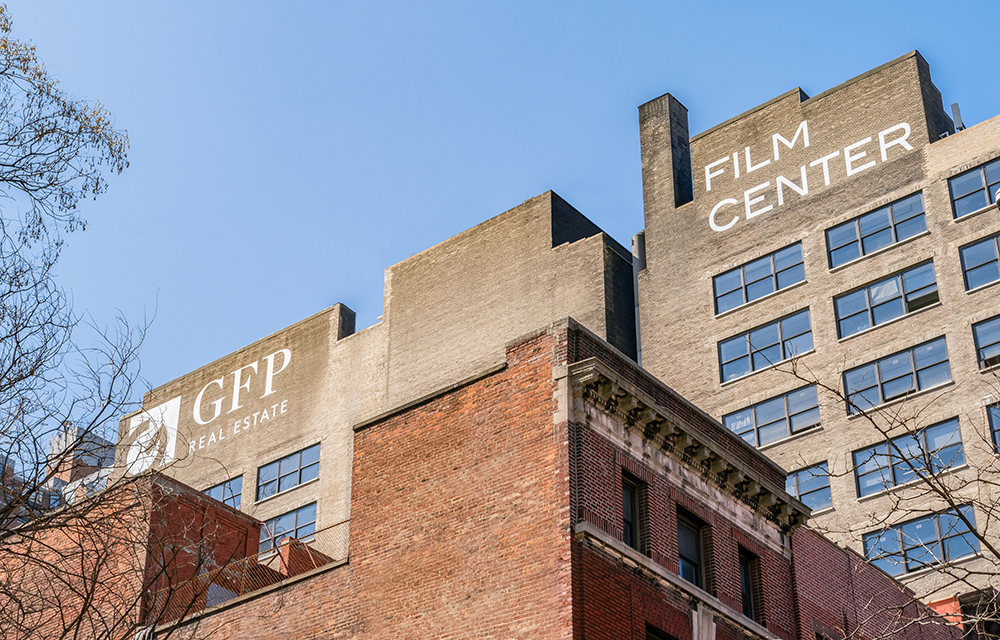
GFP Real Estate signs 11,078 s/f of leasing activity at 630 Ninth Ave.
Manhattan, NY GFP Real Estate closed three office leasing transactions totaling 11,078 s/f at 630 Ninth Ave. in Midtown, including a new lease with Irish Arts Center and extensions by existing


Quick Hits
 (2).gif)

Columns and Thought Leadership

Hunt commercial real estate question and answer: Fortune 500 wisdom - by David Hunt
Yes, there are lessons to be learned from the largest companies in America when comes to managing your real estate. But the decision to buy or lease real estate may not be one of

A guide to finding the right NYC property management company - by Sanjay Gandhi
Being a small to midsize landlord in NYC is an increasingly demanding endeavor. From navigating complex regulations, increased compliance demands to dealing with tenant issues and remediating violations. It is wise to enlist the assistance of a partner, a professional

Positive forecast for New York’s pro-housing push? - by Philip Butler
New York’s housing crisis remains a hot button topic despite growing consensus that varied and affordable housing is desperately needed statewide. Governor Hochul has recently introduced several initiatives to overcome N.Y.’s anti-housing

New York’s streets are full again, and the retail numbers prove it - by Noam Aziz
Walk down any New York block this year and you can feel it. The sidewalks are crowded, the storefronts are lit, and the energy that defines this city is back at full volume.
.gif)
September Promotion
