



News:
Construction Design & Engineering
Posted: November 7, 2011
Synthetic stucco - Attractive alternative or potential disaster?
Synthetic stucco has the same appearance and texture as stucco. Synthetic stucco is actually a stucco-type material, which, when properly applied, seems to work well as a weather barrier; however, when improperly applied, synthetic stucco can be a costly construction defect.
Synthetic stucco systems are technically referred to as Exterior Insulation and Finish Systems (EIFS). EIFS is a system of insulation board attached to a structural wall, covered with a thin, flexible mesh, then a thin base coat, followed by a thin textured, colored, finish coat.
The entire thickness of the EIFS system is, typically, approximately 1/8" to 1/4", plus the thickness of the insulation board, which will vary, based upon desired R-value (insulation rating).
A complete EIFS job looks and feels very much like stucco. The insulation board allows for the additional R-value at the building exterior, and the versatility of the product allows for a variety of architectural details and colors. The cost of an EIFS system ranges from approximately $6 to $9 or more per s/f, installed, depending upon the complexity of the work, which makes this product competitive to a conventional stucco system.
So What is the Problem?
The EIFS system relies heavily on the adequacy of the initial installation. Improperly installed EIFS can lead to moisture trapped behind the EIFS, causing leaks, mildew and structural damage. Improper detailing can also cause surface cracking.
There are a number of mistakes an untrained or careless applicator can make to result in deficient installation. These mistakes can be in fastening the insulation board to the building structure, not installing the reinforcement mesh properly, not installing the proper thickness of material or, most often, by improperly flashing building fenestration and interfaces with adjoining building materials.
In North Carolina, the material was extensively used for many years in residential construction. Improper detailing as discussed above resulted in widespread deficiencies. In many cases, extensive rotting of the framing had taken place. In fact, according to the June 1, 1998 issue of Engineering News Record, the manufacturer, Senergy Inc., a subsidiary of Harris Specialty Chemicals Inc. of Jacksonville, Florida, agreed to contribute up to $20 million to repair homes clad with synthetic stucco that were damaged when moisture infiltrated behind the material. The Boca Bulletin, September 1998 issue, reports that a North Carolina superior court tentatively approved the partial settlement which allows anyone who, as of May 15, 1998, owned a one or two-family residential dwelling or townhouse anywhere in the United States clad with the product manufactured by Senergy or Thoro Products, Inc. to participate in the settlement.
Another report as published on WRAL OnLine indicates that the North Carolina's Homebuilders Association says that 95% of randomly tested synthetic stucco homes have at least some damage.
If your buildings are covered with synthetic stucco (or stucco of any type), regular routine inspections should be followed to ensure a watertight weather barrier and to detect any possible problems that may go unseen for many years eventually causing structural damage.
Prior to inspecting the façade of the building, information should be obtained regarding any water infiltration problems that may be ongoing or may have occurred in the past. After the inspection of the façade, suspect locations should be tested with a moisture meter (preferably a non-destructive moisture meter). A location where the moisture content behind the cladding is above 20% indicates a possible problem and may require further investigative action and repair.
While EIFS systems have only come into widespread use in residential construction in the United States in the past few decades, they are still evolving and deficiencies are being discovered. Like traditional stucco systems, proper installation is key to maintain the performance of the system. If your building has an EIFS system installed, you should investigate any problematic areas and be sure to include an annual inspection of the system as a part of the preventive maintenance program for the building.
Discovering deficiencies early on is a cost-effective way to avoid more costly repairs in the future.
William Pyznar, P.E., is principal for The Falcon Group, Bridgewater, N.J.
MORE FROM Construction Design & Engineering
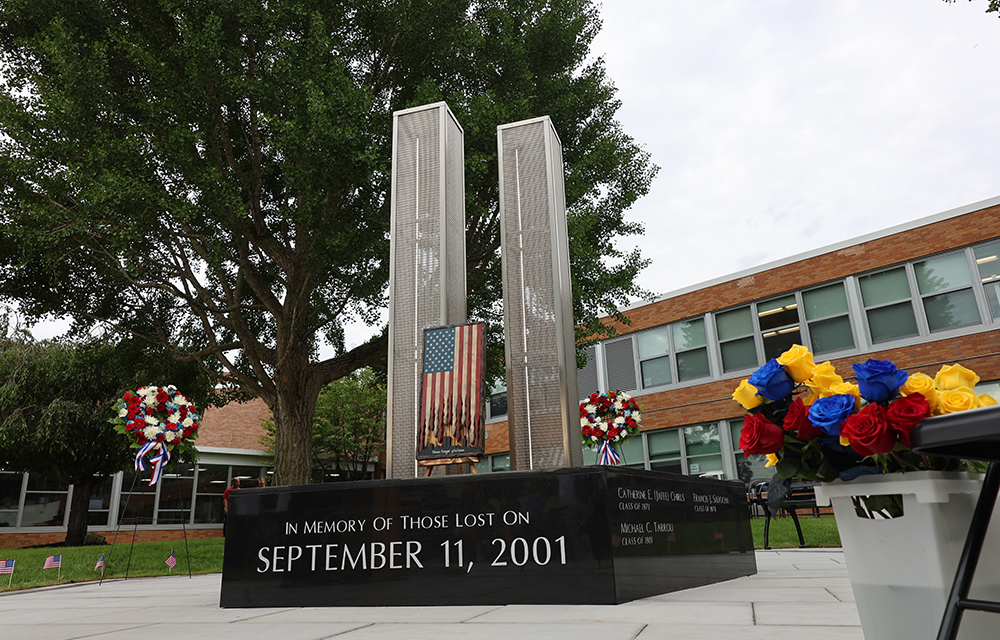
MDS Architecture designs memorial to pay tribute to those lost on September 11
Wantagh, NY A new 9/11 memorial designed as a lasting place of reflection, remembrance and resilience was formally dedicated on September 11, 2026 at Wantagh High School, honoring those who lost their lives in the 9/11 terrorist attacks and ensuring their memory will be carried forward for generations.




Quick Hits


Columns and Thought Leadership

Premium experiences, proven returns: The New revenue playbook for sports venues - by Terry McIntyre
Investing in the Fan Experience as a Revenue Strategy The sports and entertainment venues that bet on premium experiences years ago are now seeing those investments pay off in packed seats, increased revenue, and industry recognition.

We support green construction. Just not this kind - by Tammy Smith
Most people think of St. Patrick’s Day as a fun footnote on the calendar. In construction logistics, however, it’s a full-scale operational variable — especially if your work touches major metro areas with major parades and, let’s call it what it is, enthusiastic celebrants.
