




With government restrictions lifting and reopening under way, many companies are facing difficult decisions regarding the utilization of their current office space located in the central business districts of our major urban centers. In order to safely bring back employees into the office, companies will be required to redesign the interior of their offices to provide additional spacing between workstations, more barriers, and the reduction of open work spaces. All these changes will reduce the number of employees that can utilize the existing office footprint. Companies have a number of options to consider: (1) leasing additional space in the central business district; (2) requiring their employees to work in shifts throughout the day; (3) maintaining a remote work force for the foreseeable future; or (4) leasing additional space in suburban areas.
Establishing a suburban hub is particularly attractive to many companies. It is generally less expensive to lease office space in a suburban office park than in an office tower in the central business district of a major urban center. It accommodates a certain segment of employees, who would rather avoid public transportation, crowded streets and long lines waiting for elevators resulting from government imposed spacing guidelines. A company can mitigate the risk that a virus outbreak will disable a significant percentage of its workforce because its employees will not be entirely located in one large office tower.
A suburban hub can also allow more employees to commute by car. While possibly not the most sustainable option, it’s certainly the safest under the current conditions, and ideally those car commutes would be fairly short—potentially no further than employees driving to the nearest train station. For companies in Manhattan with a significant number of employees living in places such as Connecticut and Westchester, for example, opening or expanding offices in these locations can be an appealing solution. Members of the executive team and significant functions of the company can be based in a suburban hub, which functions as far more than a satellite office.
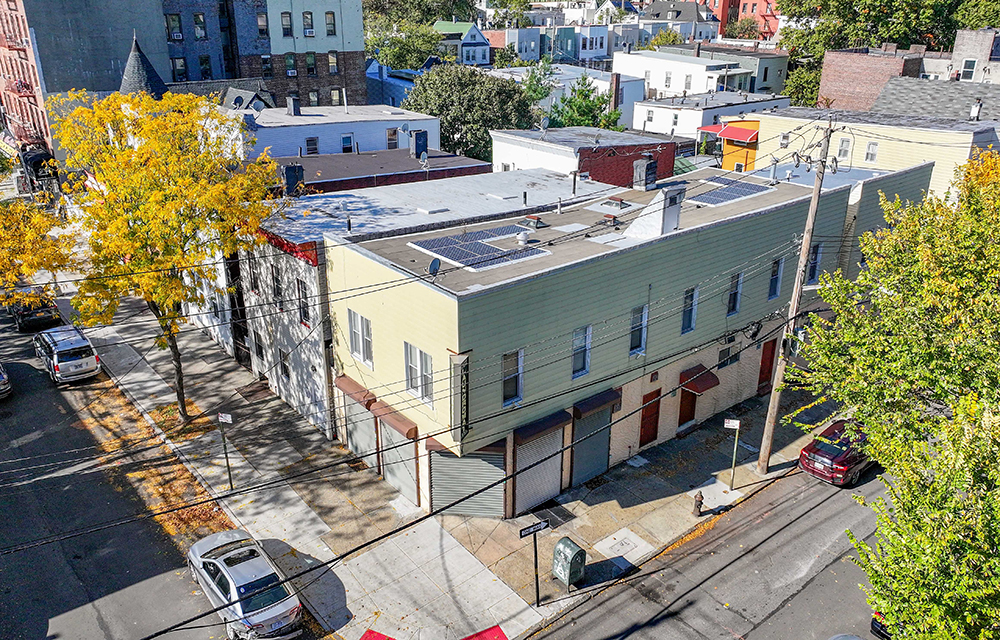
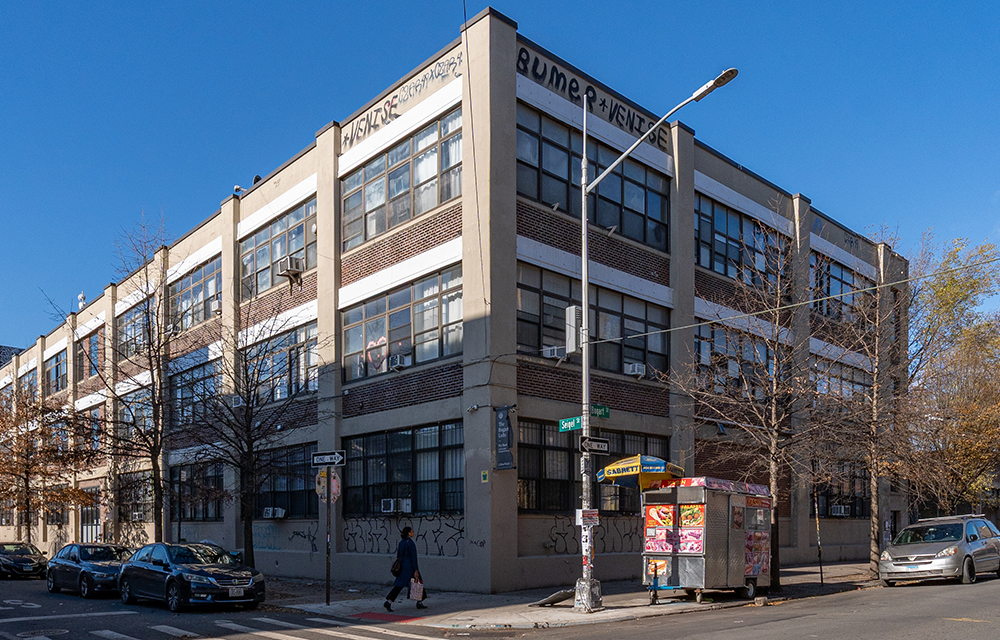
While the office towers of Stamford or White Plains may be the first thing to come to mind when you think of office buildings in Fairfield and Westchester Counties, these areas have a wide range of building types, which can provide certain advantages. There are numerous 2 or 3-story buildings available in smaller communities where companies may be able to enjoy their own exterior entrance, or at least avoid crowded elevators for their employees. These developments typically provide parking in an outdoor surface lot as well.
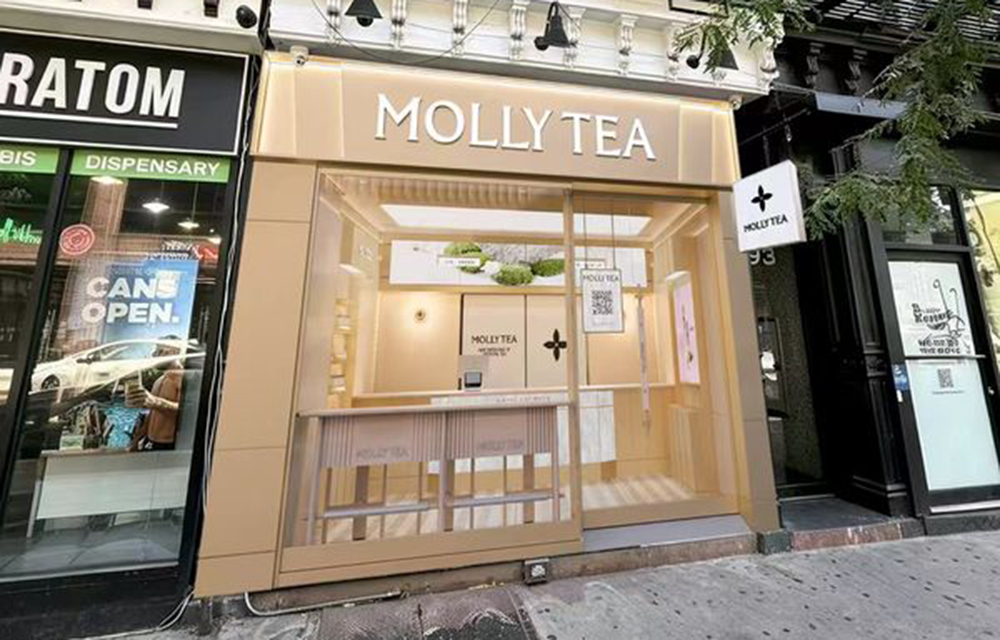
For companies interested in trying something creative, there’s also available retail space in Connecticut and Westchester County, which in some cases can be converted to offices without great difficulty. These locations can offer greater visibility for the brand than a high rise, as well as proximity to amenities for employees.
Hearst Connecticut Media reported that nearly 10,000 New Yorkers changed their address to Connecticut since March, compared to about 1,200 during the same period in 2019. The increasing number of people choosing to relocate to the suburbs undoubtedly will increase the number of employees within close proximity to suburban hubs in Fairfield and Westchester Counties. Not surprisingly, there has been an increase in commercial real estate activity in these areas as well. Companies that are early to Fairfield and Westchester will certainly have more options and can take advantage of low interest rates.
Although we believe that offices in urban centers will remain attractive to employers and employees alike, the recent pandemic has caused corporate executives to re-think the traditional notions regarding the location of their business operations. Suburban hubs are now viewed as an attractive option, which will create opportunities for office landlords and developers in suburban areas, including Fairfield and Westchester Counties.
Gary O’Connor and Joshua Cole are attorneys with the Real Estate practice at Pullman & Comley, LLC, Westport, Stamford, Bridgeport, Waterbury, and Hartford, CT; White Plains, NY, and Springfield, MA.







.gif)