



News:
Brokerage
Posted: October 28, 2013
Should you be investing in secondary markets? - Part 2
Part two continued from the September 24th, 2013 New York City Financial Digest edition of the New York Real Estate Journal.
If a cap rate expansion of 200 bps takes around five years (rather slowly) then 10% per year NOI growth is needed in the gateway market and 5% per year in the secondary and tertiary market to keep values the same. While the growth needed in both markets is aggressive simply to keep the underlying asset value the same, the secondary and tertiary is clearly much less drastic.
At Mascia Development, we have focused on secondary and tertiary markets for the last three years as a defensive strategy to protect our downside risk in an expanding cap rate environment and also to take advantage of the much higher current returns offered there. We saw significant price declines in most secondary and tertiary markets and did not see the same cap rate compression as in core markets. With long-term low interest fixed rate debt and improving fundamentals we see significantly more upside in secondary and tertiary markets with a much greater downside risk protection.
In the past 12 months we have seen increasing competition in these secondary and tertiary markets and expect this to increase as others come to the same conclusions.
Mark Mascia, LEED-AP is president & CEO of Mascia Development, LLC, New York, N.Y.
Tags:
Brokerage
MORE FROM Brokerage

Marcus & Millichap closes $6.1m sale of Queens redevelopment site
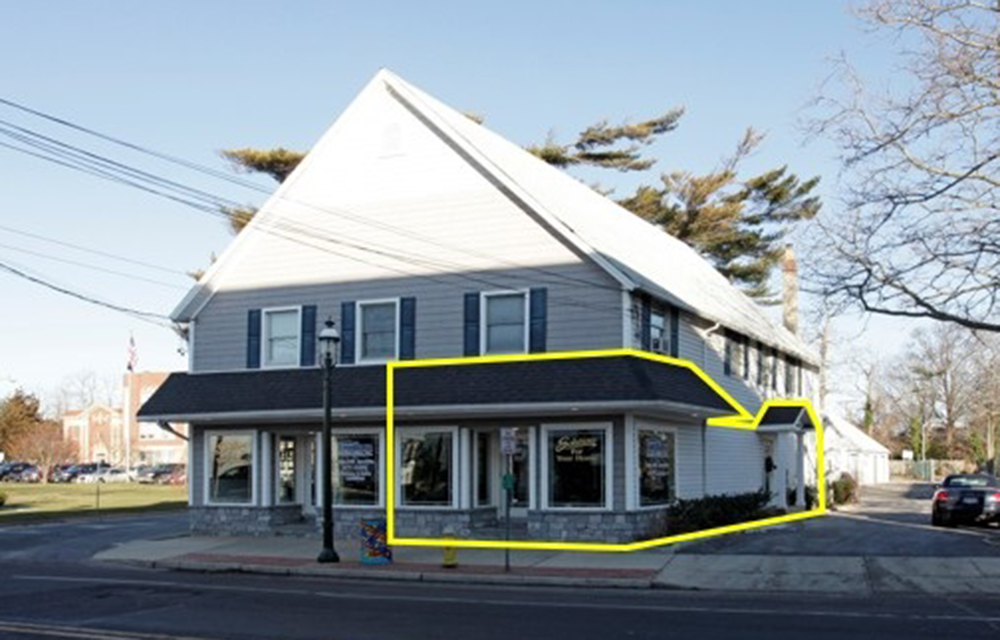
Queens, NY Marcus & Millichap negotiated the sale of 49-03 Fifth St., a redevelopment site in Long Island City. The asset sold for $6.1 million.





Quick Hits

Columns and Thought Leadership

Hunt commercial real estate question and answer: Fortune 500 wisdom - by David Hunt
Yes, there are lessons to be learned from the largest companies in America when comes to managing your real estate. But the decision to buy or lease real estate may not be one of

A guide to finding the right NYC property management company - by Sanjay Gandhi
Being a small to midsize landlord in NYC is an increasingly demanding endeavor. From navigating complex regulations, increased compliance demands to dealing with tenant issues and remediating violations. It is wise to enlist the assistance of a partner, a professional

Positive forecast for New York’s pro-housing push? - by Philip Butler
New York’s housing crisis remains a hot button topic despite growing consensus that varied and affordable housing is desperately needed statewide. Governor Hochul has recently introduced several initiatives to overcome N.Y.’s anti-housing

New York’s streets are full again, and the retail numbers prove it - by Noam Aziz
Walk down any New York block this year and you can feel it. The sidewalks are crowded, the storefronts are lit, and the energy that defines this city is back at full volume.
.gif)
September Promotion
