



News:
Brokerage
Posted: June 25, 2024
Shawmut Design and Construction builds 300-seat Bourbon Steak New York restaurant
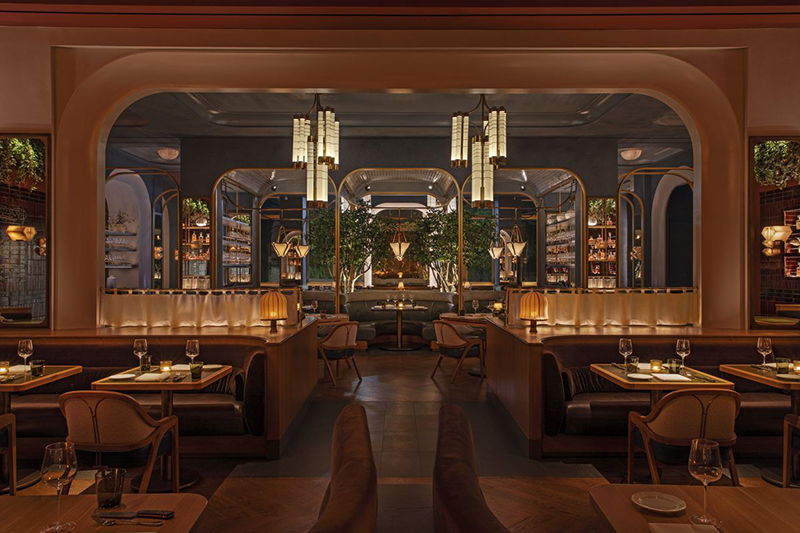
Manhattan, NY Chef and restaurateur, Michael Mina enters New York City with the opening of Bourbon Steak New York, a reimagined modern take on the American steakhouse, inside the JW Marriott Essex House New York.
Designed by interior design firm AvroKO in collaboration with architectural firm Stonehill Taylor, and built by Shawmut Design and Construction, the 300-seat space is a nod to American steakhouses that pays homage to the JW Marriott Essex House New York’s Art Deco influences.
The restaurant consists of the main dining room, including outdoor seating; The Lounge at Bourbon Steak, offering all-day dining; and two private dining rooms. Mixed metals and fire-kiln ceramic tiles throughout the space allude to the importance of fire and its role in creating the menu, with rust hues and a mix of metals bringing a modern interpretation of the energy steakhouses are often associated with. Greenery is woven throughout the space, with two trees under the vaulted ceiling in the main dining room and a series of planters conveying an indoor courtyard experience in the back of the restaurant, amplifying the skylight.
The two private dining rooms, named Fulton and Chelsea in a nod to New York City’s original fish and meat markets, have their own vintage marble fireplace mantels from the 1930s. The rooms accommodate groups of up to 24 people and 12, respectively, or can be combined into one larger space to accommodate up to 40 seated guests. Which also includes a private speakeasy window connected to the service bar area for direct service.
Shawmut also renovated the JW Marriott Essex House New York’s lobby, concierge, and executive lounges. The team has history in the hotel, building the previous restaurant in Bourbon Steak’s space back in 2007.
Tags:
Brokerage
MORE FROM Brokerage
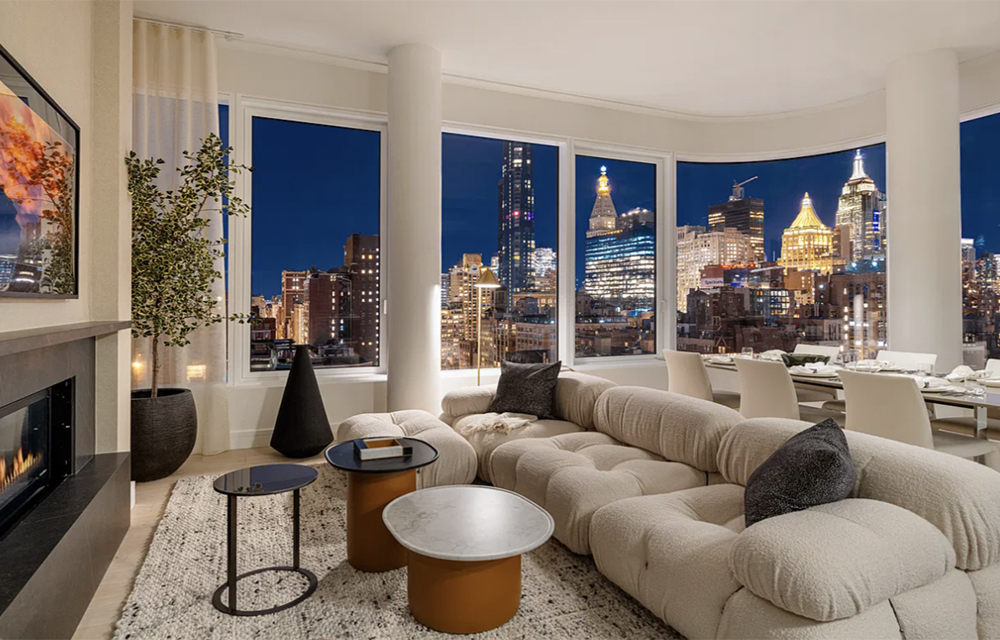
200E20TH sells out in Gramercy, penthouse A closes out sales at the CetraRuddy-designed condominium residences
Manhattan, NY 200E20TH, the CetraRuddy-designed architectural masterwork that brought a curved, contemporary sensibility to Gramercy’s Beaux-Arts streetscape, has



Quick Hits

Columns and Thought Leadership

The art of investing in real estate - by Thomas Donovan
Real estate investing is as much an art as it is a skill. No one can time the market, or the factors that drive it, perfectly. Location, zoning, size, transportation, and neighborhood density give you a baseline for

Hunt commercial real estate question and answer: Fortune 500 wisdom - by David Hunt
Yes, there are lessons to be learned from the largest companies in America when comes to managing your real estate. But the decision to buy or lease real estate may not be one of

New York’s streets are full again, and the retail numbers prove it - by Noam Aziz
Walk down any New York block this year and you can feel it. The sidewalks are crowded, the storefronts are lit, and the energy that defines this city is back at full volume.

Hunt CRE question and answer: Choosing a real estate agent - by David Hunt
First, we will only work with one agent exclusively. The primary reason is that we want that agent to legally represent our client’s interests. In New York State, a real estate agent has a fiduciary
.gif)