



News:
Brokerage
Posted: April 8, 2013
Roos and Cohen of Colliers International represents owner in 20,000 s/f lease with Syracuse University
As technology, media, and education tenants continue to push the boundaries of Midtown South, Colliers International has arranged a ten-year, 20,000 s/f lease at 136 Madison Avenue with Syracuse University. The esteemed university has leased the entire second floor, which will become of hub for keyacademic programs, internship opportunities, and other educational initiatives.
The Colliers International leasing team of vice chairman Andrew Roos, and Tri-State president Michael Cohen, represented the building owners in the transaction. Syracuse University was represented by James Kuhn, chairman of the SU Board of Trustees' Facilities Committee and Chairman of the SU Whitman School of Management Advisory Council. Kuhn is President of Newmark Grubb Knight Frank.
The tenant plans to occupy the space in September, in time for the beginning of the fall 2013 semester. "This was a wonderful opportunity to have one of the country's leading university's premier programs occupy full-floor space in 136 Madison Avenue," said Roos, who noted that the lease was made possible in part by the ownership group making a secondary entrance on East 31st Street available to Syracuse University for use as a semi-private gateway so as not to impact the building's main entrance on Madison Avenue.
"This was a very collaborative effort between the parties to craft a transaction that works operationally for all involved."
Located on the northwest corner between 31st and 32nd Streets, 136 Madison Avenue is a 17-story, turn-of-the-century building with a dramatic and meticulously restored 16-foot high, art deco entrance on Madison Avenue. The 150,000 s/f building also includes an elegant concierge desk that is attended 24 hours per day, new passenger elevators, and right-sized floor plates.
Located at the intersection of Midtown South's emerging media/technology corridor, Midtown's business district, and the Murray Hill neighborhood, 136 Madison Avenue is easily accessible to transportation and is in close proximity to a diverse range of hotels, restaurants, parks, and shopping. The building's main lobby features three magnificent multi-tiered chandeliers hanging from the coffered ceiling. The building has a secondary lobby on 31st Street and a covered loading dock on 32nd St.
Tags:
Brokerage
MORE FROM Brokerage
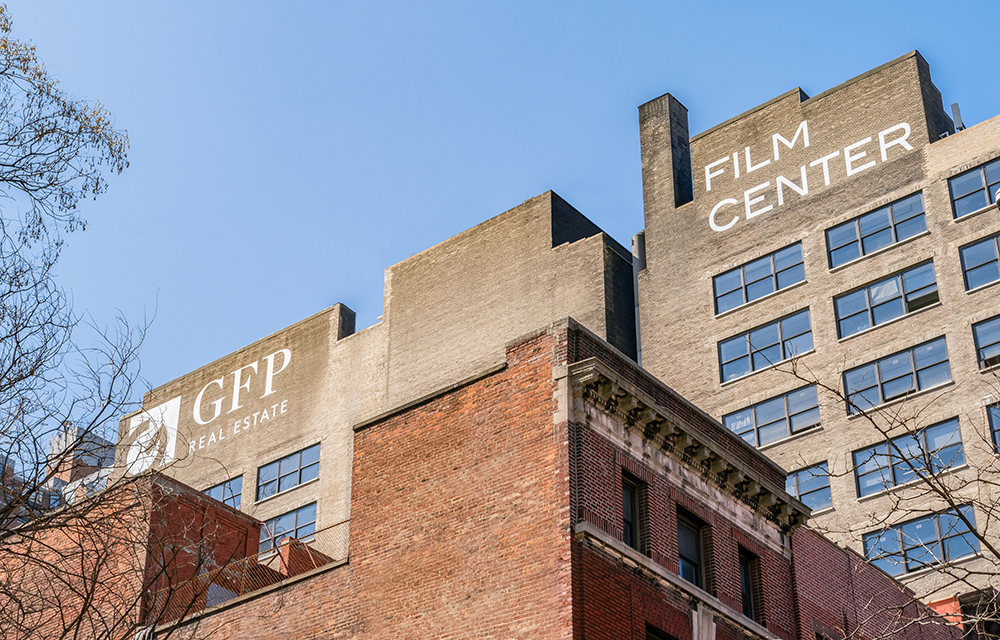
GFP Real Estate signs 11,078 s/f of leasing activity at 630 Ninth Ave.
Manhattan, NY GFP Real Estate closed three office leasing transactions totaling 11,078 s/f at 630 Ninth Ave. in Midtown, including a new lease with Irish Arts Center and extensions by existing


Quick Hits
 (2).gif)

Columns and Thought Leadership

New York’s streets are full again, and the retail numbers prove it - by Noam Aziz
Walk down any New York block this year and you can feel it. The sidewalks are crowded, the storefronts are lit, and the energy that defines this city is back at full volume.

A guide to finding the right NYC property management company - by Sanjay Gandhi
Being a small to midsize landlord in NYC is an increasingly demanding endeavor. From navigating complex regulations, increased compliance demands to dealing with tenant issues and remediating violations. It is wise to enlist the assistance of a partner, a professional

Positive forecast for New York’s pro-housing push? - by Philip Butler
New York’s housing crisis remains a hot button topic despite growing consensus that varied and affordable housing is desperately needed statewide. Governor Hochul has recently introduced several initiatives to overcome N.Y.’s anti-housing

Hunt commercial real estate question and answer: Fortune 500 wisdom - by David Hunt
Yes, there are lessons to be learned from the largest companies in America when comes to managing your real estate. But the decision to buy or lease real estate may not be one of
.gif)
September Promotion
