



News:
Construction Design & Engineering
Posted: May 26, 2026
RKTB elevates religious communities with housing and mixed-use buildings
Bronx, NY RKTB Architects has unveiled several new housing developments and mixed-use building projects commissioned by communities of faith in the metro New York area. These works, along with recognition by local and national organizations, underscore the firm’s expanding client base and growing reputation and among religious facility owners as a long-established, successful architect leader in solving housing challenges around thriving houses of worship.
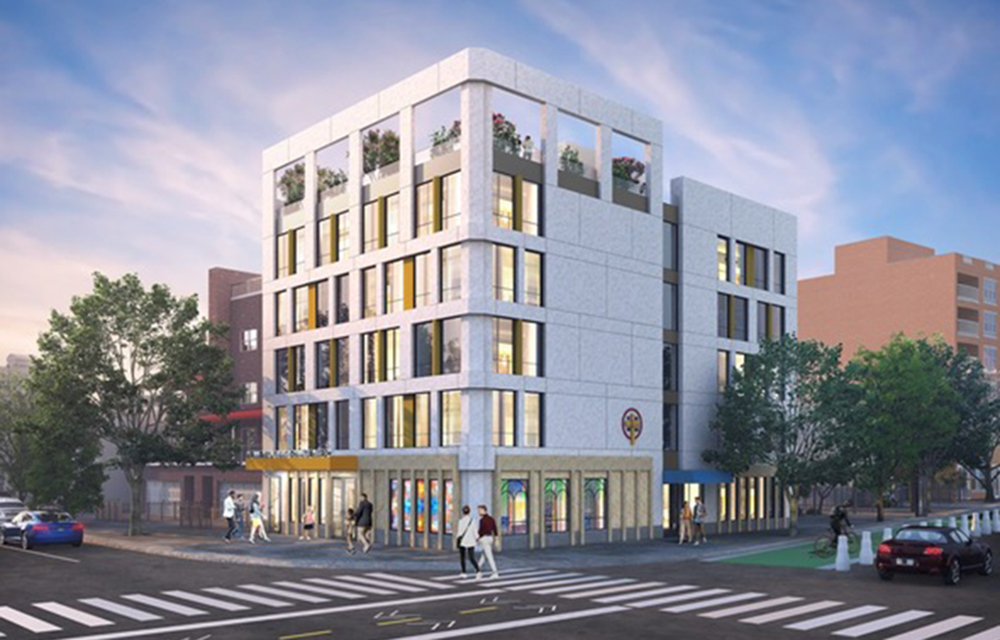
New works by RKTB Architects include conceptual design for a three-building complex on the site of Mount Carmel Baptist Church in the Bronx and another design now underway of a new mixed-use housing and cultural complex in Astoria for a group led by the Greek Orthodox Church. Another design in progress is for a planned Hellenic mixed-use cultural & residential complex in Queens, conceived for the owner, the Greek Orthodox Church, expands an existing two-story building with a 10,000 s/f cultural center and 14 new apartments. The church’s vision is to present Greek-themed live events in a modern, 180-seat theater, along with a rooftop sculpture terrace and a multipurpose event space with kitchen, conference rooms, rehearsal areas, classrooms, recreation room, and library.
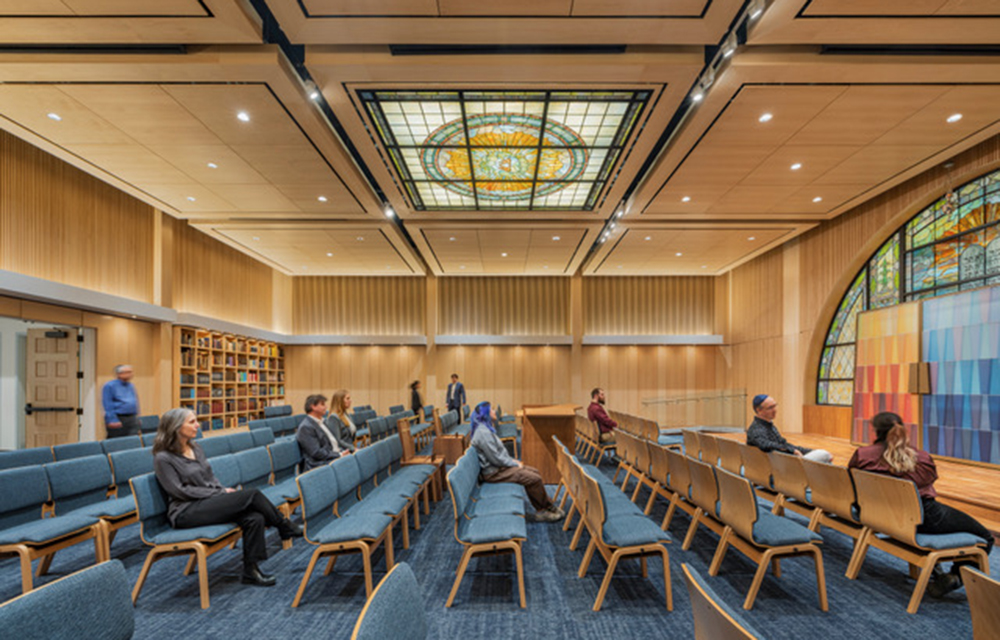
Recent past works include RKTB’s award-winning Pope Francis Apartments at Loreto, an eight-story building combining 136 residential units for seniors developed under New York’s Affordable Independent Residences for Seniors program, known as AIRS, with Inclusionary Housing supportive units for residents at or below 80% of area median income, or AMI. The firm also designed a new synagogue in partnership with Lance Jay Brown, FAIA, within a new multifamily building by ODA Architecture. Created for the historic Jewish congregation Shaare Zedek, the building stands where the original synagogue was built in 1923 on the Upper West Side.
With a 40-plus-year history in the Northeastern United States, RKTB Architects is known for acclaimed architectural projects supporting community development corporations and city agencies such as the New York City Department of Department of Housing Preservation and Development (HPD). Yet the firm has also worked for numerous faith-based nonprofits, including a 20-year relationship and two buildings for the Catholic Charities of Brooklyn & Queens, and other major projects with the 196-year-old St. Augustine’s Church in the Lower East Side and the landmark 1921 neo-Romanesque Roman Catholic convent in Yonkers. The building, which had served as home to a cloistered order of sisters for more than 75 years, was converted by RKTB into a mixed-use community center with AIDS-patient housing, outpatient medical facilities for people with AIDS, and an interfaith center.
An example of its work bridging public agencies and faith-based charitable endeavors, RKTB worked with HPD, Community Preservation Corp., and the Diocese of Brooklyn alongside the agency New York State Homes and Community Renewal, or HCR, on an $18 million development with 64 units of low-income housing in 2013 under the New York City mayor’s new housing marketplace plan, a multibillion-dollar initiative to finance 165,000 units of affordable housing for half a million New Yorkers.
“We believe in the power of faith-based organizations as community change agents and as an integral part of making cities better for all,” said architect and RKTB principal Alex Brito, AIA, who leads the multifamily studio. “It’s a deep part of our firm’s ethos as architects, rooted in the Ephebic Oath, which calls us to civic duty and responsibility in communities where we work.”
A Process for Best Outcomes
With this pledge always in mind, Brito and his team have developed a carefully honed process to help religious congregations to move toward success — not only in serving congregants but also in best leveraging their assets, legacy, and potential for long-term revenues and endowment. For example, RKTB Architects often helps establish or support a design advisory committee composed of staff and congregants to work on programming and design choices, as well as to handle questions of preserving the original houses of worship and ancillary buildings.
“Helping to build a new permanent home for the community on which my family and friends rely for so much has been one of the most worthwhile endeavors of my life,” said Shaare Zedek congregation president Michael Firestone, who led their design advisory committee. “We left our historic, 90-plus-year-old building, and a developer built a 13-story residential condo, with space for a brand-new synagogue on the first three floors, which we turned into an actual synagogue building with a sanctuary, social hall, and offices.”
Often, preserving artwork and historic elements of the original religious buildings is central to the architecture. For Shaare Zedek, RKTB integrates several iconic, large-format installations of stained glass, preserved prior to demolition in 2017 (image at right), now allowing filtered daylight into the new sanctuary and social hall. Similarly, the Pope Francis Apartments, which was built on the former site of a local church, retains a treasured Virgin Mary statue on the property while its lobby walls are adorned with photographs of the original church interior.
The design in progress for a planned Hellenic Mixed-Use Cultural & Residential Complex in Queens, conceived for the owner, the Greek Orthodox Church, expands an existing two-story building with a 10,000 s/f cultural center and 14 new apartments. The church’s vision is to present Greek-themed live events in a modern, 180-seat theater, along with a rooftop sculpture terrace and a multipurpose event space with kitchen, conference rooms, rehearsal areas, classrooms, recreation room, and library.
A new chapel of St. Cosmas, with special stained-glass windows, anchors a prominent corner the ground floor.
Innovation and Tradition
Seen in many of RKTB’s faith-based building projects, creative congregations are leveraging their real estate holdings to fund profitable new housing and community amenities serving essential needs for neighborhoods and cities.
Solutions include mixed-use buildings with senior housing, affordable residences, commercial spaces for retailers, community gardens, schools and daycare centers, and other job-creating uses. Many integrate facilities that expand recreation and social offerings for their residents, congregants and neighborhoods.
RKTB also partners with churches, dioceses, synagogues and other worship groups to craft highly innovative solutions. An example is the award-winning Affordable Infill Housing Prototype, a cost-effective multifamily design for underutilized sites and parking lots. Featured in a prestigious mayoral report, Designing New York: Quality Affordable Housing, published last year, the prototype has been lauded by New York City Public Design Commission, the Fine Arts Federation of New York, and the local chapter of the American Institute of Architects. The design is now seen in the city’s Bedford-Stuyvesant, Brownsville, Crown Heights and East New York districts.
“Through decades of private and public initiatives and projects, RKTB has amassed a vast portfolio of housing work that provides dignity and respite for thousands of New Yorkers,” the AIA has said “As a leader in the affordable housing conversation, RKTB shares its insights and knowledge openly … through policy discussions with housing advocates and elected officials in City Hall and Albany.”
MORE FROM Construction Design & Engineering
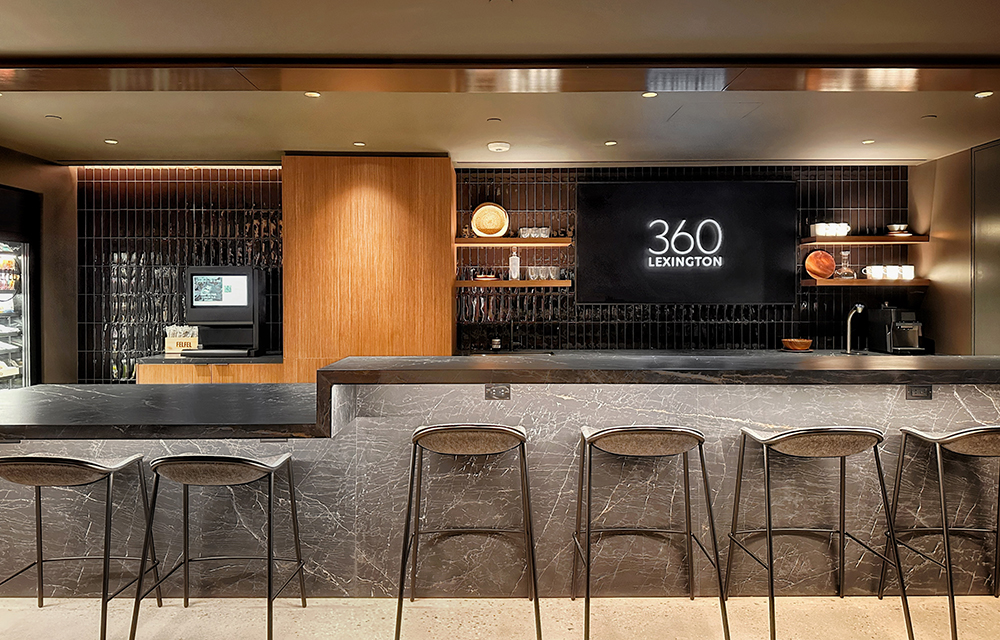
AmTrustRE and MdeAS Architects complete modernization of 360 Lexington Ave. in Midtown
Manhattan, NY AmTrustRE has completed a comprehensive modernization at 360 Lexington Ave. Led by New York-based architecture firm MdeAS Architects, the project reimagines the 268,000 s/f office building as a modern, hospitality-driven workplace designed to meet the evolving needs of tenants.

Quick Hits

Columns and Thought Leadership

The Façade is no longer just a finish. It’s a risk strategy. - by Bentley Zhao
Twelve-billion-dollar weather disasters have already hit the U.S. through the first half of 2026, causing at least $31.9 billion in damage, according to Climate Central, the nonprofit that now maintains the disaster database NOAA discontinued.

We support green construction. Just not this kind - by Tammy Smith
Most people think of St. Patrick’s Day as a fun footnote on the calendar. In construction logistics, however, it’s a full-scale operational variable — especially if your work touches major metro areas with major parades and, let’s call it what it is, enthusiastic celebrants.
Premium experiences, proven returns: The New revenue playbook for sports venues - by Terry McIntyre
Investing in the Fan Experience as a Revenue Strategy The sports and entertainment venues that bet on premium experiences years ago are now seeing those investments pay off in packed seats, increased revenue, and industry recognition.
