



News:
Brokerage
Posted: August 7, 2009
Rhyner and Cunha of P.W. Grosser pass Leadership in Energy and Environmental Design (LEED) exam
John Rhyner, CPG and Tammy Cunha of P.W. Grosser Consulting passed the Leadership in Energy and Environmental Design (LEED) exam at the end of June, and are now LEED Accredited Professionals (LEED AP). Both Rhyner and Cunha are committed to providing environmental and engineering services that will assist their clients to reach sustainable goals.
Rhyner, is a senior project manager of the firm with 23 years of experience specializing in the evaluation & design of Geothermal Systems. Cunha is an architectural designer with the firm and had 15 years of valuable experience in residential and commercial building design and construction . Dr. Paul Grosser, CEO and fellow employees of PWGC commended Rhyner and Cunha on their achievement of receiving this accreditation.
PWGC is a multidisciplinary firm founded by Paul Grosser, PhD, PE in 1990 providing federal, state, municipal and private clients with quality environmental consulting and engineering services. PWGC has 50 diverse professionals including civil, chemical, and environmental engineers, hydrogeologists, geologists, and environmental scientists.
PWGC has over 18 years of experience specializing in a wide range of services including energy conservation and sustainability; civil/site, water/wastewater engineering; hazardous/non?hazardous waste management; comprehensive environmental, environmental/regulatory compliance; redevelopment, site assessments & remediation; natural resource management; and brownfield redevelopment consulting. PWGC provides these services to a multitude of clients ranging from developers and financial institutions, to municipalities and federal agencies. Some of our clients include the Suffolk County Departments of Public Works and Health Services, Town of Oyster Bay, Village of Lindenhurst, Incorporated Village of Freeport, North Fork Bank, Independence Community
Bank, Rechler Equity Partners, Reckson Associates, Allstate Insurance, New York City Housing Authority, New York City Department of Design and Construction and Benjamin Development Company. Additional information may be obtained online from www.pwgrosser.com.
Tags:
Brokerage
MORE FROM Brokerage
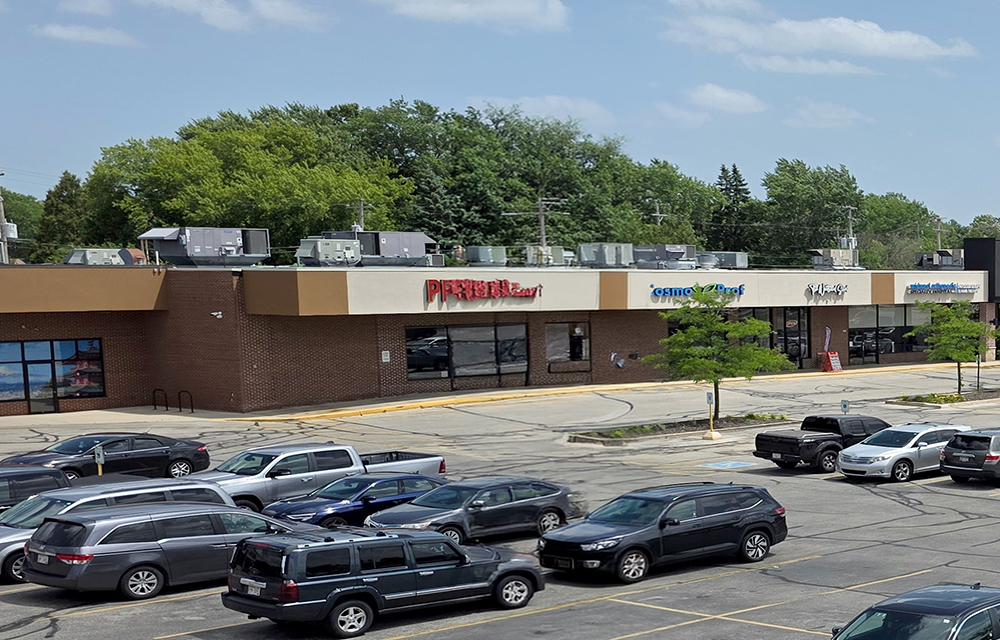
United Properties Corp. expands Wisconsin and Illinois retail presence adding 200,000 s/f
West Allis, WI United Properties Corp. completed two retail acquisitions totaling $27.4 million across Illinois and Wisconsin, adding 205,000 s/f of shopping center space to its portfolio







Columns and Thought Leadership

A guide to finding the right NYC property management company - by Sanjay Gandhi
Being a small to midsize landlord in NYC is an increasingly demanding endeavor. From navigating complex regulations, increased compliance demands to dealing with tenant issues and remediating violations. It is wise to enlist the assistance of a partner, a professional

New York’s streets are full again, and the retail numbers prove it - by Noam Aziz
Walk down any New York block this year and you can feel it. The sidewalks are crowded, the storefronts are lit, and the energy that defines this city is back at full volume.

Hunt commercial real estate question and answer: Fortune 500 wisdom - by David Hunt
Yes, there are lessons to be learned from the largest companies in America when comes to managing your real estate. But the decision to buy or lease real estate may not be one of

Positive forecast for New York’s pro-housing push? - by Philip Butler
New York’s housing crisis remains a hot button topic despite growing consensus that varied and affordable housing is desperately needed statewide. Governor Hochul has recently introduced several initiatives to overcome N.Y.’s anti-housing
.gif)