



News:
Brokerage
Posted: April 20, 2021
RFR completes six new leases comprising 28,111 s/f at 17 State St. in Downtown
New York, NY RFR has completed six new leases at 17 State St., a 42-story, 571,000 s/f trophy office tower in Lower Manhattan. Ranging from financial services to healthcare technology and accounting firms, the six firms will account for a total of 28,111 s/f of new office leases at 17 State St. ABR Dynamic Funds, SHS Asset Management L.P., Samson II Corp, Edward Roberts LLC, Protax Services Corp and Robert Wisniewski P.C. will join the diverse tenant roster at the iconic office tower. RFR was represented in-house by AJ Camhi and Ryan Silverman in each of the transactions.
“The building’s downtown location across the street from Battery Park with 25 acres of open green space and waterfront, its sweeping water views of the New York Harbor and Statue of Liberty and convenient access to transportation continues to attract strong tenants,” said AJ Camhi of RFR. “The building offers stunning office space. A flight to quality is underway as we see an upward trajectory of firms bringing employees back to work.”
ABR Dynamic Funds secured 5,000 s/f of space at 17 State St. Founded in 2015, ABR is a global quantitative investment management firm relocating from 48 Wall St. Andrew Coe of JLL represented the tenant.
“As ABR Dynamic Funds continues to grow exponentially, it was important that we find a Class A building in a highly desirable location with enough space to meet our future growth goals,” said Taylor Lukof, founder and CEO of ABR Dynamic Funds. “RFR has provided us with a great space to expand our company, but beyond that, we also wanted to bet on New York City and its diverse pool of talent while having an influential role in the post-pandemic comeback.”
Samson II Corp, founded by Steven Markowitz, provides working capital to mid-sized companies and leased 6,181 s/f of space, relocating from 90 John St. Andrew Roth of Somerset Real Estate represented the tenant.
Additional leases include asset management firm, SHS Asset Management L.P., which signed a 5,138 s/f lease and healthcare-focused import and export company Edward Roberts LLC, which took 5,548 s/f of space at 17 State (Richard J. Bailey of Kassin Sabbagh Realty represented the tenant). Protax Services Corp, and independent attorney Robert Wisniewski P.C. also secured space at 17 State St., moving from 101 Greenwich St. and 40 Wall St., respectively.
Tags:
Brokerage
MORE FROM Brokerage
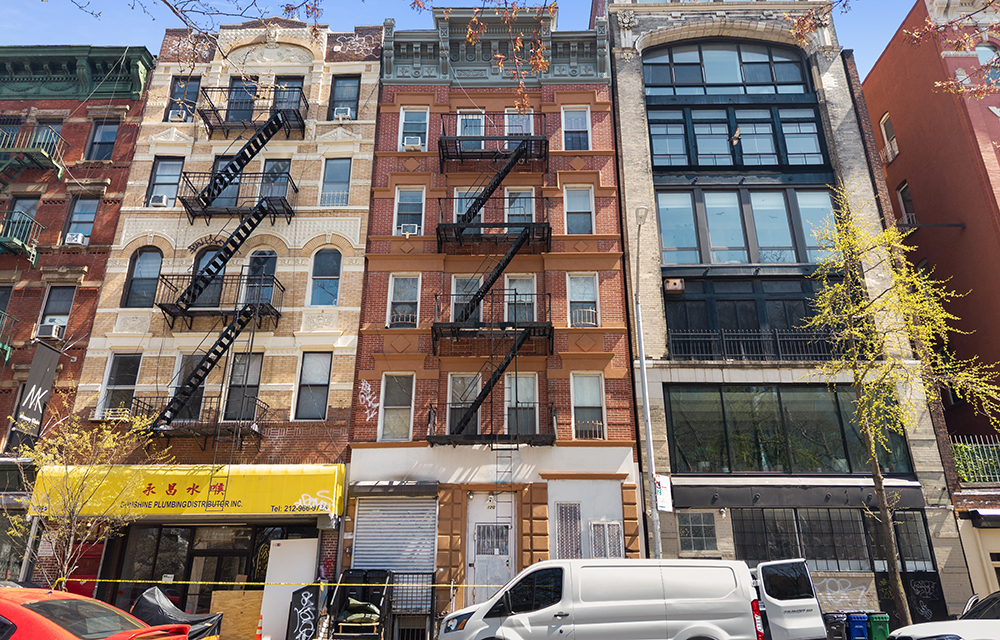
Investment Property Realty Group sells 120 Forsyth St. for $1.35 million
Manhattan, NY Investment Property Realty Group (IPRG) closed the sale of 120 Forsyth St., a mixed-use building located in the Lower East Side section of the city, for $1.35 million.



Quick Hits

Columns and Thought Leadership

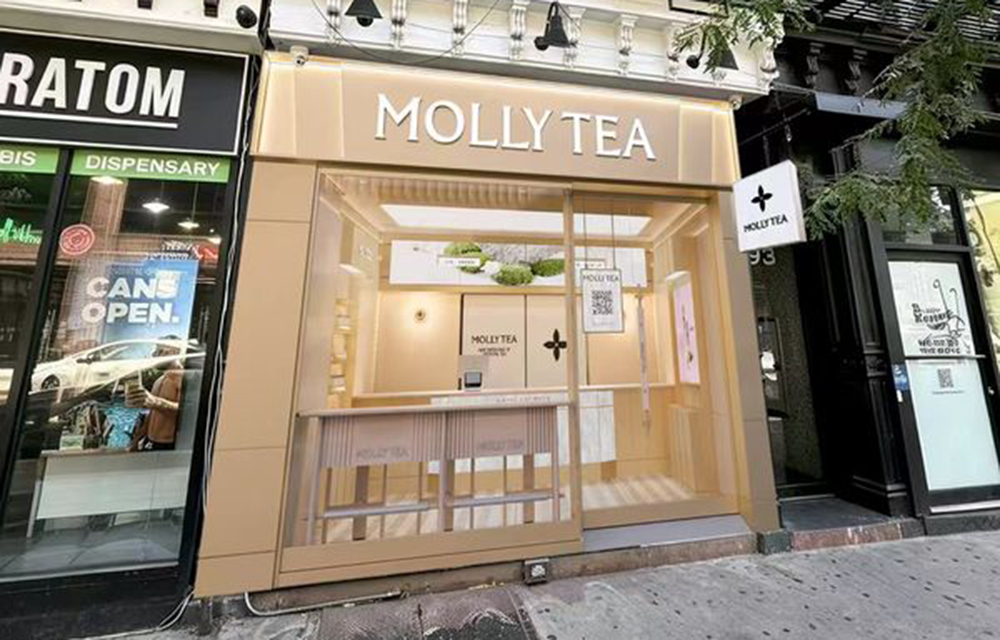
New York’s streets are full again, and the retail numbers prove it - by Noam Aziz
Walk down any New York block this year and you can feel it. The sidewalks are crowded, the storefronts are lit, and the energy that defines this city is back at full volume.

Positive forecast for New York’s pro-housing push? - by Philip Butler
New York’s housing crisis remains a hot button topic despite growing consensus that varied and affordable housing is desperately needed statewide. Governor Hochul has recently introduced several initiatives to overcome N.Y.’s anti-housing

Hunt commercial real estate question and answer: Fortune 500 wisdom - by David Hunt
Yes, there are lessons to be learned from the largest companies in America when comes to managing your real estate. But the decision to buy or lease real estate may not be one of

A guide to finding the right NYC property management company - by Sanjay Gandhi
Being a small to midsize landlord in NYC is an increasingly demanding endeavor. From navigating complex regulations, increased compliance demands to dealing with tenant issues and remediating violations. It is wise to enlist the assistance of a partner, a professional
.gif)