



News:
Brokerage
Posted: March 24, 2014
Retail leases in condominium buildings
Leases of stores in the retail portions of residential or office condominiums need to be significantly revised from the standard form used by many lawyers. A shopping center lease will not work in a condominium context. Landlords of retail portions of residential condominiums should be sure their broker's term sheet and lawyer's draft lease treats these basic condominium issues:
1. Casualty Repair. The typical casualty clause; "Landlord shall repair..." does not work. In condos, the condo board controls the insurance proceeds and the decision as to repair of the structure. This clause should be modified to provide that the landlord will request that the condo board repair any casualty promptly. Depending on the structure of the condo, a savvy tenant's counsel may ask that the landlord's representative on the condo board vote in favor of the repairs.
2. Lease Subordinate to Condo Documents. The lease should expressly state that the lease is subordinate and subject to the condo declaration and require that the tenant comply with existing rules and regulations regarding trash disposal and other operations of the store.
3. Enforcing Condo Board Obligations. The lease should make it clear that the landlord has only limited rights and limited opportunity to effectuate repairs - typically the condo board has the authority and responsibility to make repairs outside of the retail condo unit. While some tenants may ask for the right to bring an action in the condo unit owner's name against the condo board if a repair is not made promptly, most landlords reject that request due to the complications. In my experience sophisticated tenants acknowledge that the best the retail unit landlord can do is to agree to take reasonable steps to enforce the board's obligations.
4. Non-Disturbance Protection from a Condo Default. It is virtually universal in New York that the rents payable by the retail tenant far exceed the monthly common charges payable by its landlord. A tenant might be concerned, however, about a default by the unit owner in the event of a special assessment by the condo board. Tenants sometime ask for non-disturbance protection from the condo board. The more modern documents governing condo regimes sometimes include a provision requiring that the board grant such protection but certainly not all do. If the landlord is unable to obtain a non-disturbance agreement from the condo board, the retail tenant will typically look at the rents being paid to its landlord and the history of common charges paid by its landlord to the condominium and determine that the risk of eviction is very small.
5. Escalations. The typical escalations need to be adjusted to match the condo structure. For example, the share of tax increases needs to reflect the portion of the demised premises occupied by the tenant in the particular condominium unit.
In sum, landlords and tenants in retail condominium leases and their brokers need to be careful not to use form term sheets and leases which do not adequately address the important differences in operating in a condominium building.
Tom Kearns is a partner at Olshan Frome Wolosky, New York, N.Y.
Tags:
Brokerage
MORE FROM Brokerage
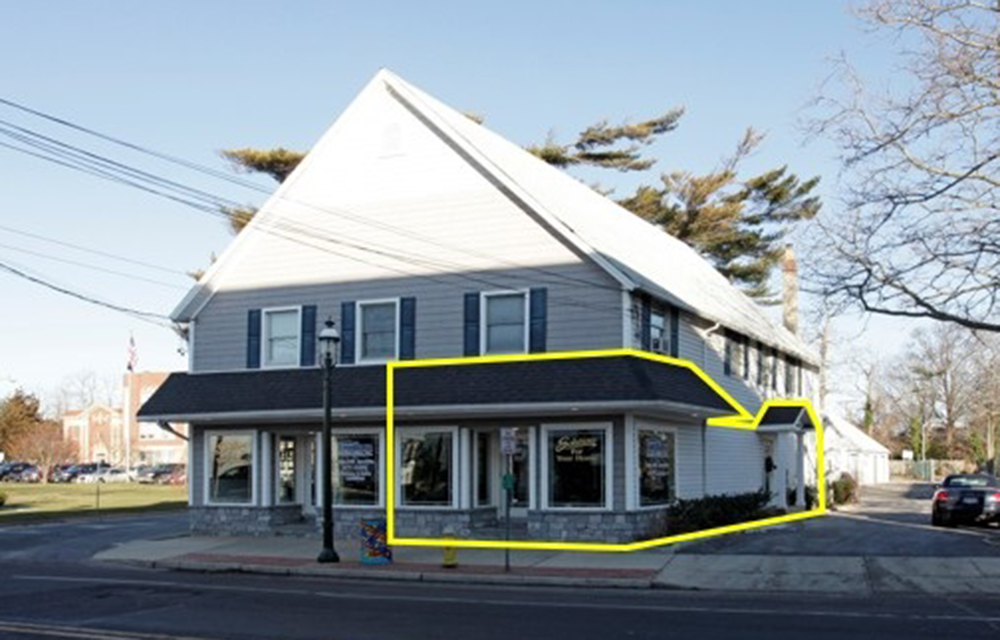
Raffa of Island Associates Real Estate leases 1,700 s/f to Tzanis Mental Health Group at 417 East Main St.
Islip, NY Robert Raffa from Island Associates Real Estate facilitated Tzanis Mental Health Group into 417 East Main St. – a 1,700 s/f office suite. The Tzanis Mental Health Group joins





Quick Hits

Columns and Thought Leadership

A guide to finding the right NYC property management company - by Sanjay Gandhi
Being a small to midsize landlord in NYC is an increasingly demanding endeavor. From navigating complex regulations, increased compliance demands to dealing with tenant issues and remediating violations. It is wise to enlist the assistance of a partner, a professional

New York’s streets are full again, and the retail numbers prove it - by Noam Aziz
Walk down any New York block this year and you can feel it. The sidewalks are crowded, the storefronts are lit, and the energy that defines this city is back at full volume.

Hunt commercial real estate question and answer: Fortune 500 wisdom - by David Hunt
Yes, there are lessons to be learned from the largest companies in America when comes to managing your real estate. But the decision to buy or lease real estate may not be one of

Positive forecast for New York’s pro-housing push? - by Philip Butler
New York’s housing crisis remains a hot button topic despite growing consensus that varied and affordable housing is desperately needed statewide. Governor Hochul has recently introduced several initiatives to overcome N.Y.’s anti-housing
.gif)
September Promotion
