



News:
Brokerage
Posted: October 22, 2015
REBNY Report: Brooklyn, Queens, and the Bronx lead the way in residential sales volume and price growth
New York, NY Despite a slight drop in average New York City residential sales prices, the boroughs saw double-digit increases in year-over-year transaction volumes and sizable jumps in sales prices during the third quarter of 2015, according to the Real Estate Board of New York’s (REBNY) Third Quarter Residential Sales Report.
“The growth in the average sales price in the boroughs shows the continuing strength of our housing market,” said John Banks, REBNY president. “Buyers are looking beyond Manhattan for homes in exciting and thriving residential neighborhoods throughout Brooklyn, Queens, and the Bronx.”
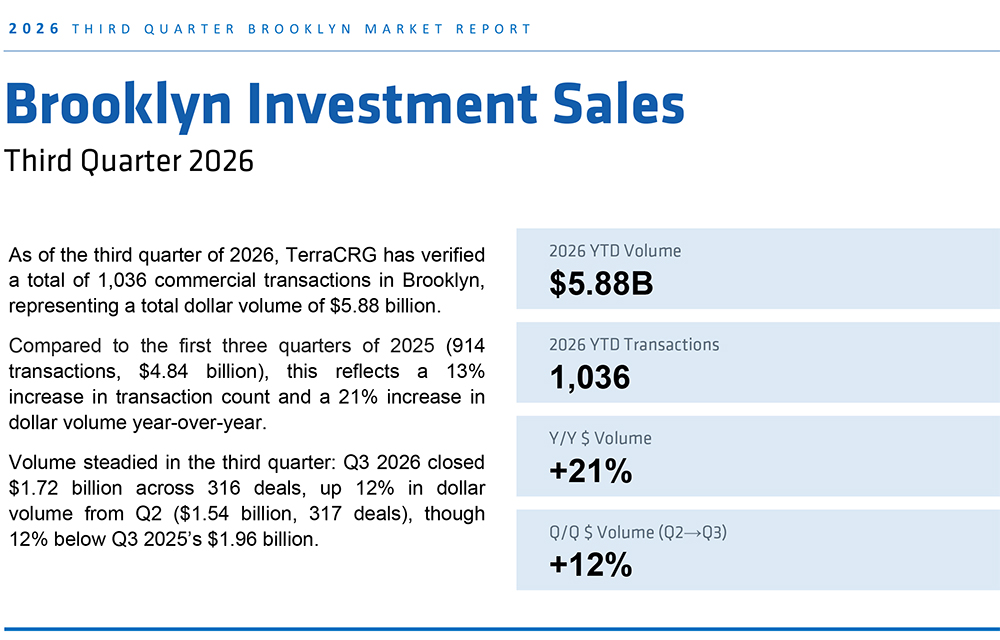
The total consideration for all residential sales (cooperatives, condominiums, and one-to-three-family dwellings) in New York City during the third quarter of 2015 was $11.8 billion, up 8.5 percent from the third quarter of last year. Total consideration for Manhattan was $6.28 billion for the third quarter of 2015, down 4.1 percent. In Brooklyn, the total consideration of residential sales was $2.62 billion, a surge of 31.1 percent, while Queens home sales were $2.0 billion, a 25.1 percent jump.
The average sales price of an NYC home decreased 2 percent to $888,000, compared to last year’s third quarter of $910,000. This is attributed to fewer sales recordings in the upper echelons of the market, as well as the transaction uptick in the outer boroughs.
The weakening of sales at the top of the market is clearly evident. In the third quarter of 2015, the average sales price of a home in the top 5 percent of sales was $5,103,107. In the third quarter of 2014, that price was $5,974,991—17 percent greater than this year’s third quarter. This quarter was also the first time since the third quarter of 2014 that the Manhattan condo segment of the market did not have large average sales price increases.
The average sales price for a home in Manhattan decreased 7 percent year-over-year to $1,609,000, while the average sales price for a home in the outer boroughs saw strong growth with increases of: 18 percent to $822,000 in Brooklyn; 7 percent to $495,000 in Queens; and 9 percent to $389,000 in the Bronx.
The total number of home sales in New York City increased by 11 percent year-over-year to 13,302 transactions, again with the largest gains seen outside Manhattan. In Brooklyn, the number of home sales increased 12 percent to 3,193; Queens by 17 percent to 4,040; and the Bronx by 35 percent to 917.
• Manhattan neighborhoods with the most home sales this quarter were: the Upper East Side (820 sales), the Upper West Side (675), Midtown East (306), Gramercy / Kips Bay (254) Midtown West (250), Chelsea / Flatiron (249), and Murray Hill (216).
• Brooklyn neighborhoods with the most home sales this quarter were: Bedford Stuyvesant (190), Bay Ridge / Fort Hamilton (178), Park Slope (178), Williamsburg (156), Gravesend / Mapleton (145), and East New York / Spring Creek (143).
• Queens neighborhoods with the most home sales this quarter were: Rego Park / Forest Hills / Kew Gardens (464), Flushing (374), Jackson Heights / Elmhurst (332), Richmond Hill / South Ozone Park / Woodhaven (317,) Springfield Gardens / Jamaica / South Jamaica / Baisley Park (279), Laurelton / Cambria Heights / St. Albans / Rosedale (238).
• Bronx neighborhoods with the most home sales this quarter were: Riverdale / Fieldston (167), City Island / Pelham Bay / Pelham Strip / Country Club / Throgs Neck / Schuylerville (136), Parkchester / Westchester Square / Castle Hill / Soundview (122), and Woodlawn / Williamsbridge (111).
REBNY’s report is the most comprehensive quarterly review of recorded transactions and includes data from all five boroughs.
Click here to download the full report.
Tags:
Brokerage
MORE FROM Brokerage
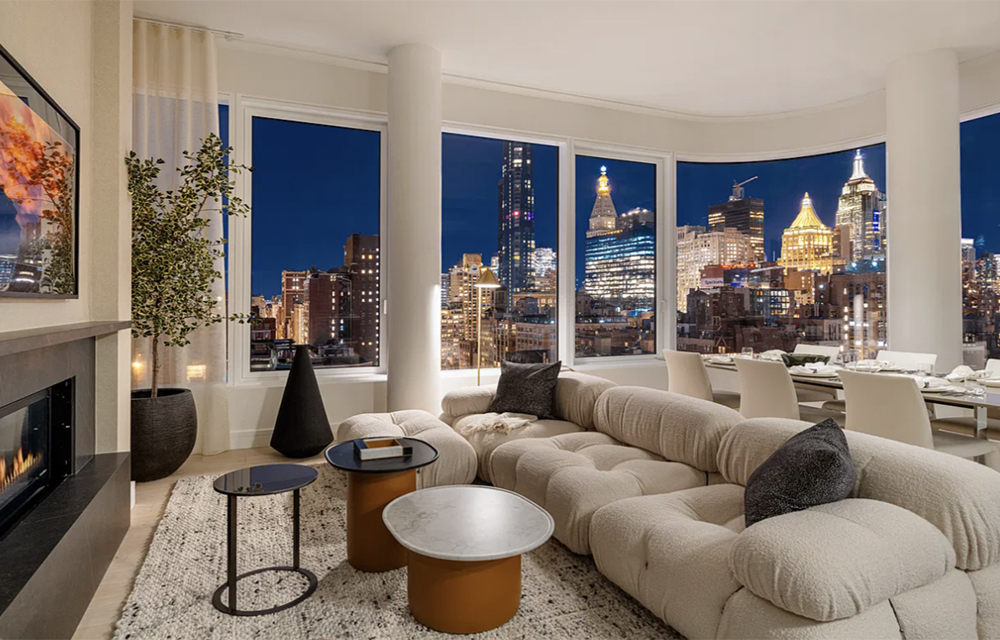
200E20TH sells out in Gramercy, penthouse A closes out sales at the CetraRuddy-designed condominium residences
Manhattan, NY 200E20TH, the CetraRuddy-designed architectural masterwork that brought a curved, contemporary sensibility to Gramercy’s Beaux-Arts streetscape, has




Quick Hits

Columns and Thought Leadership

Hunt commercial real estate question and answer: Fortune 500 wisdom - by David Hunt
Yes, there are lessons to be learned from the largest companies in America when comes to managing your real estate. But the decision to buy or lease real estate may not be one of

New York’s streets are full again, and the retail numbers prove it - by Noam Aziz
Walk down any New York block this year and you can feel it. The sidewalks are crowded, the storefronts are lit, and the energy that defines this city is back at full volume.

The art of investing in real estate - by Thomas Donovan
Real estate investing is as much an art as it is a skill. No one can time the market, or the factors that drive it, perfectly. Location, zoning, size, transportation, and neighborhood density give you a baseline for

Hunt CRE question and answer: Choosing a real estate agent - by David Hunt
First, we will only work with one agent exclusively. The primary reason is that we want that agent to legally represent our client’s interests. In New York State, a real estate agent has a fiduciary
.gif)