



News:
Brokerage
Posted: May 7, 2012
Real estate public relations in the digital age
Compared with a few years ago, possibilities for publicity have reached dizzying proportions. Where once real estate professionals confined themselves to a manageable menu of print and broadcast media, today's choices run the gamut from long respected newspapers and TV shows to online pubs, community patches, blogs, comparative shopping sites, email blasts, electronic newsletters, continually enhanced company websites, search engines and a growing number of social media sites.
Faced with this array of options and limited resources, many real estate pros are at a loss to know what really works and where they should be spending their precious money and time to market properties and services and to burnish their image and reputation among buyers, sellers, tenants, bankers, brokers, and politicians.
The answer is complex and requires analysis for each case. Your plan—and you must have a plan—should contain a mix of all or some of the above. If you are an individual broker looking for your next client or marketing a space, social media and a good interactive website might have priority. If you are an owner or brokerage head, then print and online newspapers and TV shows are still excellent for building brand to a targeted audience. Regardless of your plan and tactical mix, certain public relations requirements remain constant in the digital age:
* Content and materials that are well presented and unique
* Clear delineation of the audience targeted
* Messaging that is articulate/true
* Ability to execute well and, of course,
* Tangible results
Harry Zlokower is president of Zlokower Co. and the 2012 president of the N.Y. chapter of the Public Relations Society of America, New York, N.Y.
Tags:
Brokerage
MORE FROM Brokerage
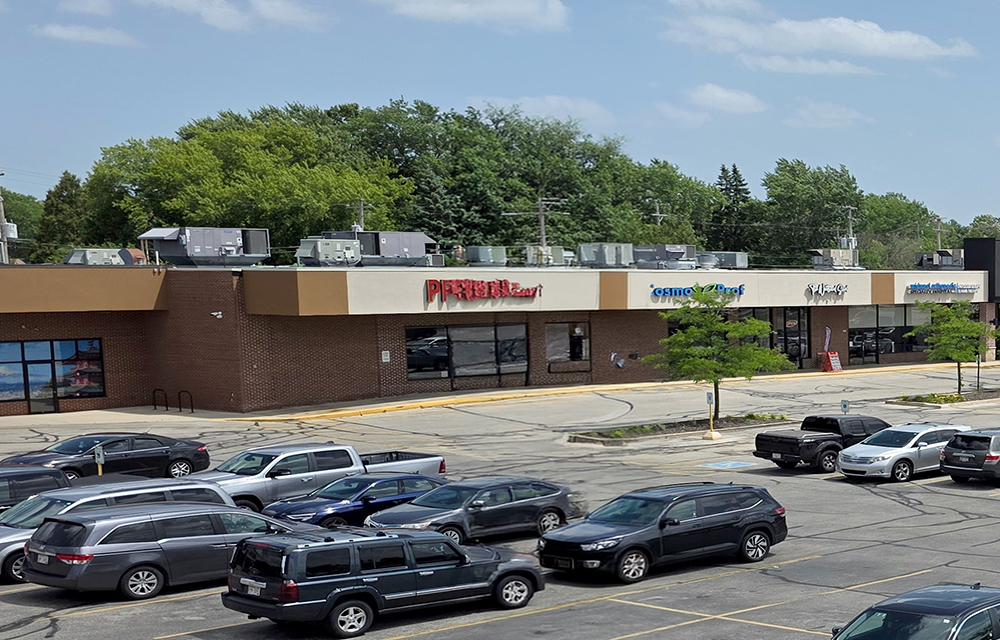
United Properties Corp. expands Wisconsin and Illinois retail presence adding 200,000 s/f
West Allis, WI United Properties Corp. completed two retail acquisitions totaling $27.4 million across Illinois and Wisconsin, adding 205,000 s/f of shopping center space to its portfolio





 (2).gif)

Columns and Thought Leadership

A guide to finding the right NYC property management company - by Sanjay Gandhi
Being a small to midsize landlord in NYC is an increasingly demanding endeavor. From navigating complex regulations, increased compliance demands to dealing with tenant issues and remediating violations. It is wise to enlist the assistance of a partner, a professional

Hunt commercial real estate question and answer: Fortune 500 wisdom - by David Hunt
Yes, there are lessons to be learned from the largest companies in America when comes to managing your real estate. But the decision to buy or lease real estate may not be one of

New York’s streets are full again, and the retail numbers prove it - by Noam Aziz
Walk down any New York block this year and you can feel it. The sidewalks are crowded, the storefronts are lit, and the energy that defines this city is back at full volume.

Positive forecast for New York’s pro-housing push? - by Philip Butler
New York’s housing crisis remains a hot button topic despite growing consensus that varied and affordable housing is desperately needed statewide. Governor Hochul has recently introduced several initiatives to overcome N.Y.’s anti-housing
.gif)