


 (2).gif)
News:
Spotlight Content
Posted: November 25, 2013
Rapuano of Winick Realty Group arranges lease for Big Drop's third New York City storefront
Big Drop, the trendy women's clothing store with locations in Manhattan and Florida's Miami Beach, leased its third New York City storefront at 253 Columbus Ave., the former Laila Rowe store located between 71st and 72nd Sts. on the city's Upper West Side.
Big Drop leased 650 s/f on the ground floor, along with a 400 s/f storage basement. Winick Realty Group broker Charles Rapuano represented Big Drop in the long-term lease transaction, while landlord Parkway East Properties LLC was represented in-house.
"In the last year, retailers including Sandro, Vince, Maje and Kate Spade have all leased retail space within two blocks of this location and they have turned this stretch of Columbus Avenue into a high-end fashion area," said Rapuano.
Big Drop currently operates a flagship store at 174 Spring St. in SoHo, as well as a location at 1321 Third Ave. on the Upper East Side. "They have been very successful with this co-tenancy in its other Manhattan locations," said Rapuano, "So they wanted to be near these same high-end retailers when selecting their first Upper West Side store."
Tags:
Spotlight Content
MORE FROM Spotlight Content

2026 Developing Long Island: The Shops on Broadway
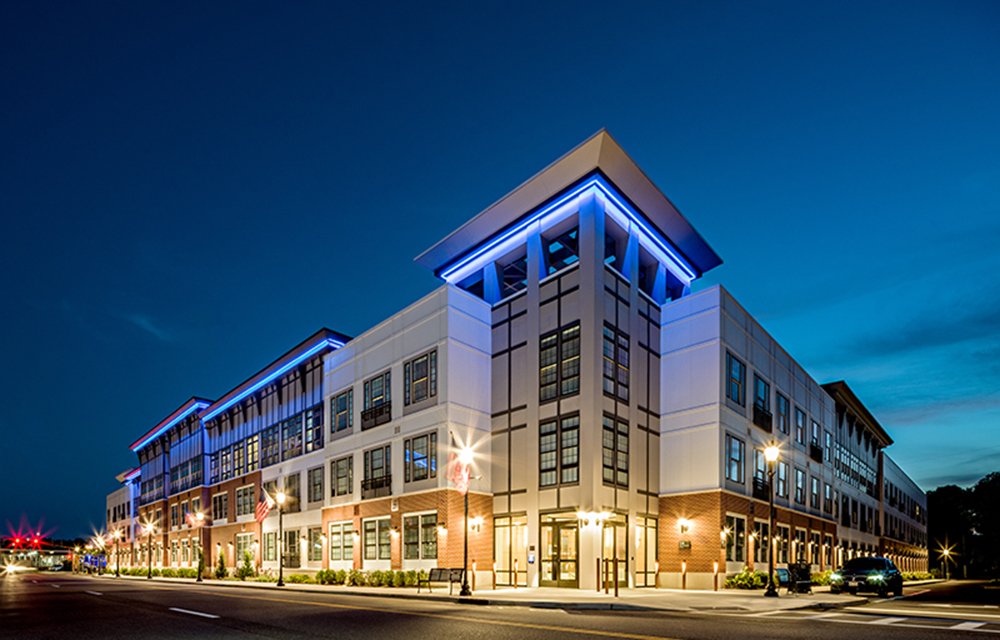
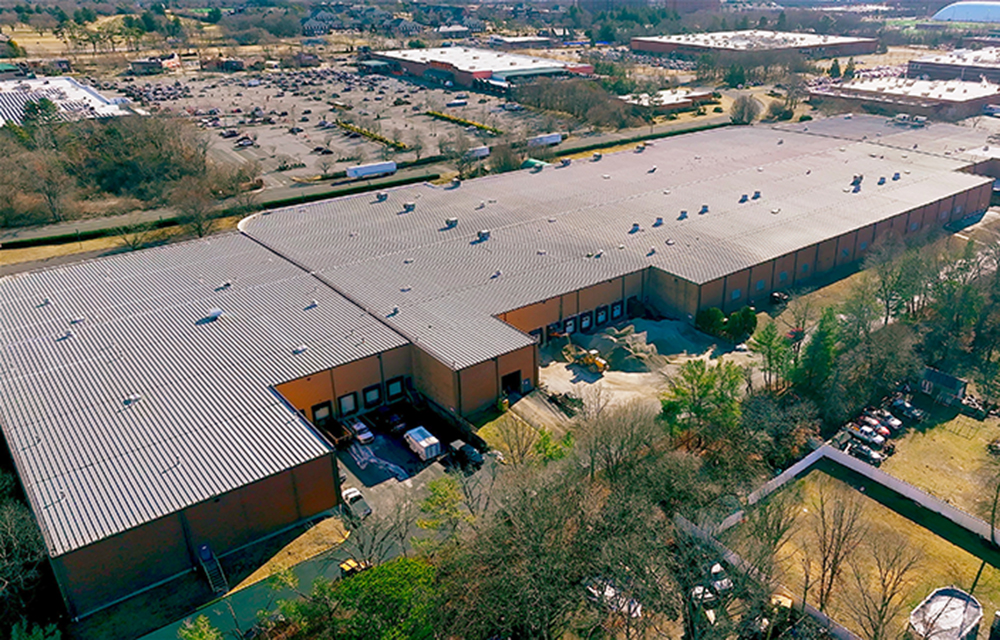
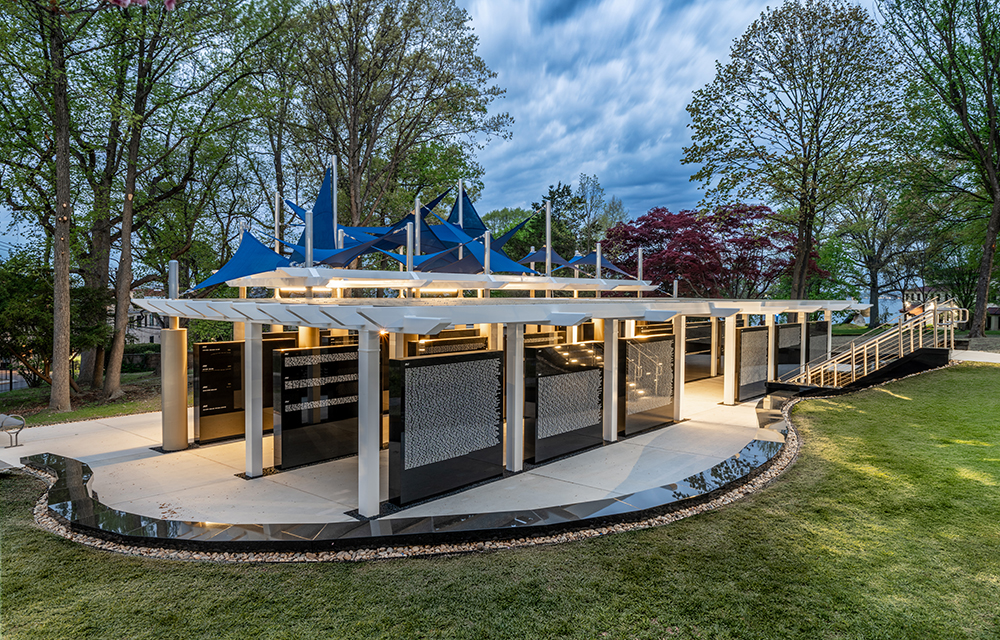
Hicksville, NY The Shops on Broadway is transforming one of Long Island’s most recognizable retail properties into a vibrant new destination. At the heart of the redevelopment is The District, an open-air environment designed by SPECTOR Companies around dining, entertainment, gathering, and community.

.png)

Quick Hits
 (2).gif)

Columns and Thought Leadership

From vacancy to vitality: How adaptive reuse is reshaping Long Island’s CRE landscape - by Andrea Tsoukalas Curto
Adaptive reuse has become one of the most important conversations in commercial real estate today. Long Island has a large inventory of aging retail, office and industrial

2026 Developing Queens: Long Island Board of Realtors advances commercial growth and advocacy in Queens
The Long Island Board of Realtors (LIBOR) Commercial Network continues to play a key role in advancing opportunities and strengthening the commercial real estate landscape across Queens. Through targeted programming and global outreach

Properly serving a lien law Section 59 Demand - by Bret McCabe
Many attorneys operating within the construction space are familiar with the provisions of New York Lien Law, which allow for the discharge of a Mechanic’s Lien in the event the lienor does not commence an action to enforce following the service of a “Section 59 Demand”.

CRE Guide Featured Company: Merritt Environmental Consulting Corp.
Merritt Environmental Consulting Corp. (MECC) was established in June of 2009 after being part of a larger engineering firm for almost 20 years. The focus of the company is to assist lending institutions, attorneys, real estate investors, and property owners with environmental concerns. Today, MECC has offices in New York, Florida, and Vermont and has grown into a regional consulting firm serving clients along the East Coast.
September Promotion
