



News:
Brokerage
Posted: August 12, 2013
Property owner's notice obligations regarding contamination
Before starting the environmental due diligence process in a real estate transaction, an issue that is often discussed is: What if we find something? Do we have to report it? Indeed these questions often cause sellers to try to limit the buyer's examination of the property.
The short answer to the question of whether reporting is required is - it depends. It depends largely on: (1) what was found; (2) who found it; and (3) how much was found.
The issues of what was found and who found it are closely connected. If a spill or release of a petroleum product was found and that spill or release is from a petroleum bulk storage facility, then anyone with knowledge of the spill or release has an obligation to report it (See Part 613 of title 6 of the New York Code of Rules and Regulations). On the other hand, if what was found is another hazardous substance, then unless the finder is the owner or operator of the storage facility from which the release occurred, the finder probably does not have an obligation to report it (Part 595 of title 6 of the New York Code of Rules and Regulations). That means that the consultant for the buyer is likely not to have an obligation to report unless petroleum is found.
How much is found also plays an important role in reporting requirements. For most hazardous substances (Part 595) reporting is required only if one discovers the release of a "reportable quantity." Reportable quantities are listed in the regulations on a substance by substance basis. A person finding contamination in due diligence will usually not know whether there was a release of a reportable quantity. For petroleum there is no reportable quantity, meaning that any spill or release should be reported.
Aaron Gershonowitz, Esq., is a partner at Forchelli, Curto, Deegan, Schwartz, Mineo & Terrana, LLP, Uniondale, N.Y.
Tags:
Brokerage
MORE FROM Brokerage
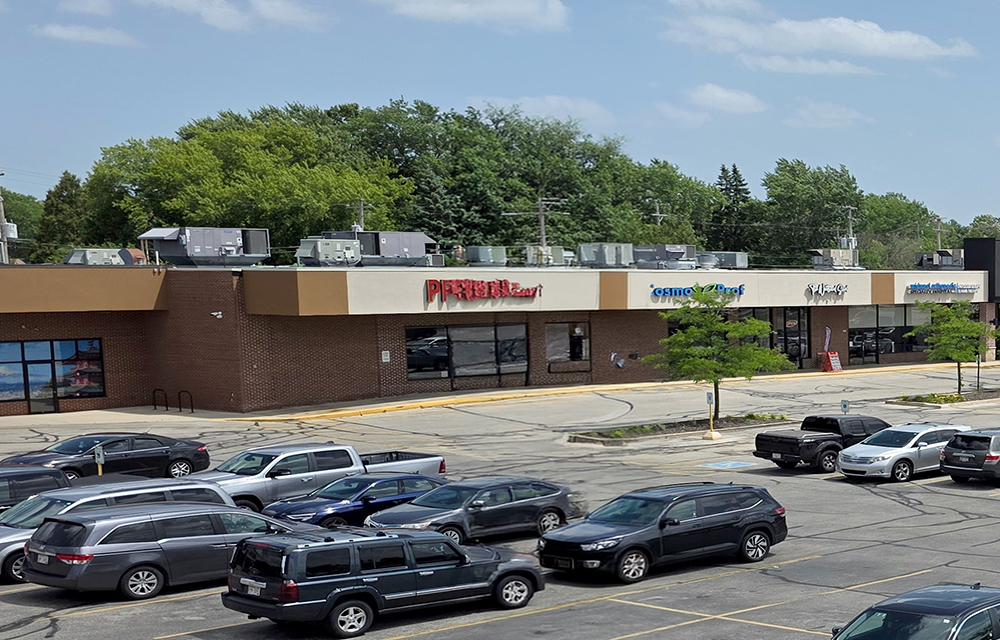
United Properties Corp. expands Wisconsin and Illinois retail presence adding 200,000 s/f
West Allis, WI United Properties Corp. completed two retail acquisitions totaling $27.4 million across Illinois and Wisconsin, adding 205,000 s/f of shopping center space to its portfolio






 (2).gif)

Columns and Thought Leadership

New York’s streets are full again, and the retail numbers prove it - by Noam Aziz
Walk down any New York block this year and you can feel it. The sidewalks are crowded, the storefronts are lit, and the energy that defines this city is back at full volume.

A guide to finding the right NYC property management company - by Sanjay Gandhi
Being a small to midsize landlord in NYC is an increasingly demanding endeavor. From navigating complex regulations, increased compliance demands to dealing with tenant issues and remediating violations. It is wise to enlist the assistance of a partner, a professional

Positive forecast for New York’s pro-housing push? - by Philip Butler
New York’s housing crisis remains a hot button topic despite growing consensus that varied and affordable housing is desperately needed statewide. Governor Hochul has recently introduced several initiatives to overcome N.Y.’s anti-housing

Hunt commercial real estate question and answer: Fortune 500 wisdom - by David Hunt
Yes, there are lessons to be learned from the largest companies in America when comes to managing your real estate. But the decision to buy or lease real estate may not be one of
.gif)