



News:
Brokerage
Posted: July 29, 2013
Professional Profile: Norman Bobrow, 2013
Name: Norman Bobrow
Title: President
Company: Norman Bobrow & Co.
Location: 331 Madison Ave., 7th Floor, New York, N.Y.
Birthplace: Queens, N.Y.
Education: Bachelor's degree from New York Institute of Technology
First job outside of real estate: Brighton Beach Baths, Brooklyn, N.Y.
First job in real estate or allied field: Centex Homes Corp.
What do you do now and what are you planning for the future? I run the second largest tenant brokerage firm in New York City. My future plans are the same.
How do you unwind from a busy day in real estate? Attend to my two greenhouses in Jamaica Estates where I grow cactus and succulents.
Favorite book or author: "Dracula"
Favorite movie: "Jurassic Park"
One word to describe your work environment: Happy
Rules to live by in business: Tell the truth, work hard, don't look to the left, don't look to the right, don't look back - just look forward.
If you could invite one person to dinner (living or dead) who would it be and where would you go? I would eat with mayor Bloomberg at The Second Avenue Deli.
What is your dream job? President of Vornado Realty Trust
Tags:
Brokerage
MORE FROM Brokerage
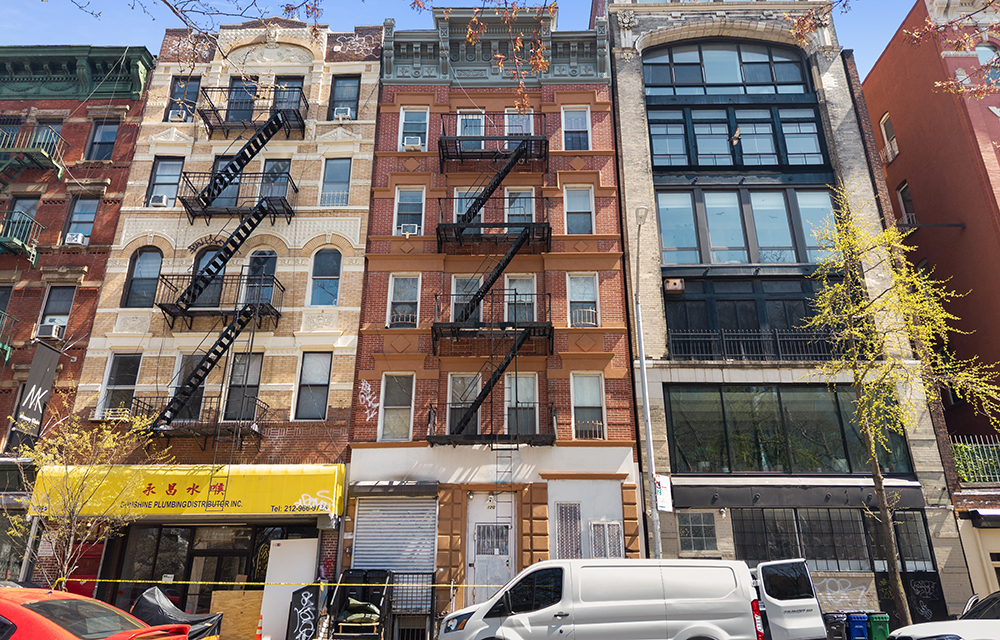
Investment Property Realty Group sells 120 Forsyth St. for $1.35 million
Manhattan, NY Investment Property Realty Group (IPRG) closed the sale of 120 Forsyth St., a mixed-use building located in the Lower East Side section of the city, for $1.35 million.



Quick Hits
 (2).gif)

Columns and Thought Leadership

Positive forecast for New York’s pro-housing push? - by Philip Butler
New York’s housing crisis remains a hot button topic despite growing consensus that varied and affordable housing is desperately needed statewide. Governor Hochul has recently introduced several initiatives to overcome N.Y.’s anti-housing

Hunt commercial real estate question and answer: Fortune 500 wisdom - by David Hunt
Yes, there are lessons to be learned from the largest companies in America when comes to managing your real estate. But the decision to buy or lease real estate may not be one of

A guide to finding the right NYC property management company - by Sanjay Gandhi
Being a small to midsize landlord in NYC is an increasingly demanding endeavor. From navigating complex regulations, increased compliance demands to dealing with tenant issues and remediating violations. It is wise to enlist the assistance of a partner, a professional

New York’s streets are full again, and the retail numbers prove it - by Noam Aziz
Walk down any New York block this year and you can feel it. The sidewalks are crowded, the storefronts are lit, and the energy that defines this city is back at full volume.
.gif)