



News:
Brokerage
Posted: November 28, 2008
PlaNYC 2030 includes bike parking regulations, zoning
PlaNYC 2030, the city program for environmentally sustainable growth, continues to generate legislation that implements the plans objectives and that directly affects the commercial real estate market in New York.
Two recent initiatives—one a zoning proposal, the other a local law-would mandate bike parking in existing commercial buildings as well as most other new buildings.
According to recent studies by the Dept. of City Planning (DCP), the lack of safe and secure bicycle parking is a leading factor in preventing people from cycling to work. In its announcement of the new building initiative, the DCP press release noted that, "increased bicycle use will improve New Yorkers' fitness and reduce carbon emissions produced by motorized vehicles, helping to create the more sustainable, green, healthy city that mayor Bloomberg outlined in his PlaNYC 2030 initiative."
We have been generally supportive of this effort and have been working with DCP which has incorporated many of our suggestions into its proposal. Here are the key elements of the new building proposal:
* Office buildings must provide one bike space for every 7,500 s/f.
* Residential buildings with more than 10 units must provide one space for every two units.
* Retail and other commercial buildings, as well as most community facilities, must provide one space for every 10,000 s/f.
* The requirements would apply to enlargements of 50% or more and conversions to residential use.
Based on a survey of our members who presently provide indoor bike parking, the requirements for commercial buildings are too high. They are providing significantly fewer spaces and in most cases less than half of these spaces are used. We will continue to urge the city to lower this amount required in office buildings and preserve the building owner's right to regulate the operation of this space.
This zoning initiative complements a broad based city effort to support bicycle ridership. The other efforts promoted by the Dept. of Transportation (DOT) include increased bike lanes, such as Broadway between 42nd and 34th Sts., more space for outdoor bike parking, and a collaborative effort with REBNY to promote indoor bike parking in existing buildings.
Our outreach has resulted in more than 70 major buildings agreeing to provide space. A number of owners have reiterated the issues we have raised about indoor bike parking. In some cases buildings do not have indoor space available and have elected to provide bike racks in courtyards or side yards. In other cases, especially Midtown, the demand is low. Nevertheless, we learn regularly of more owners who are voluntarily doing so where practicable and we will continue to encourage other owners to provide this space when they can.
In contrast, we have vigorously opposed a City Council proposal that would mandate bike access to existing office buildings. Given the enormous variety of office buildings, the diverse code and marketing requirements in effect when they were built, many of these buildings simply cannot accommodate this requirement. This mandate would pose other problems as the building by law would be required to give access but the tenant may refuse to permit the bike in their space, creating a potential problem for the landlord. Also, allowing bike access in small lobbies and elevators can cause damage and accidents that create additional liability for the owner.
We have been extremely supportive of efforts to promote bike parking in new buildings and will continue to encourage owners to find ways to provide space in existing buildings. However, we will continue to oppose mandating bike parking in or access to existing buildings.
Steven Spinola is the president of the Real Estate Board of New York, New York, N.Y.
Tags:
Brokerage
MORE FROM Brokerage
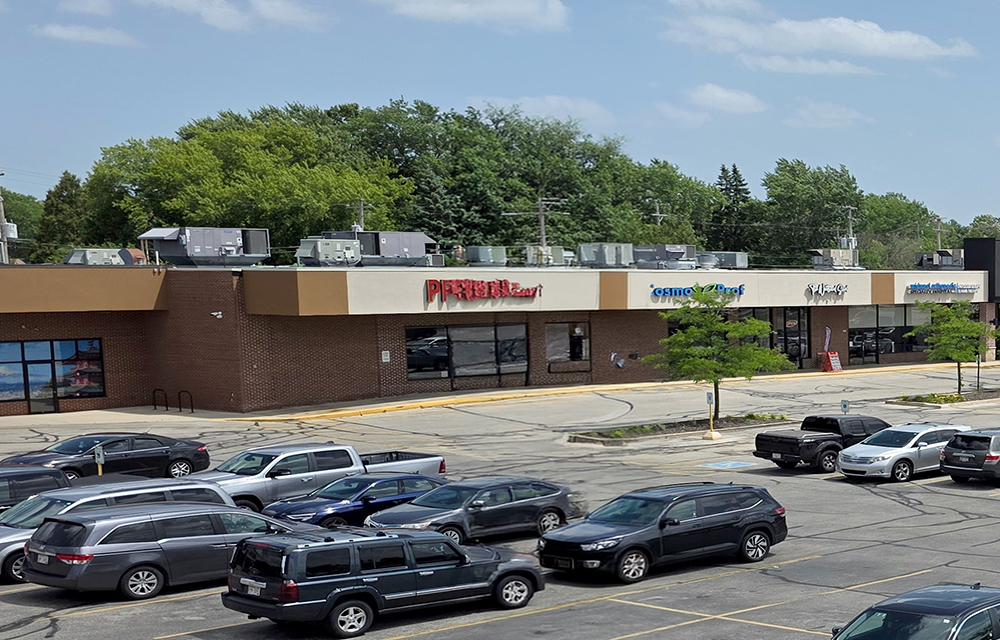
United Properties Corp. expands Wisconsin and Illinois retail presence adding 200,000 s/f
West Allis, WI United Properties Corp. completed two retail acquisitions totaling $27.4 million across Illinois and Wisconsin, adding 205,000 s/f of shopping center space to its portfolio




Quick Hits
 (2).gif)

Columns and Thought Leadership

Hunt commercial real estate question and answer: Fortune 500 wisdom - by David Hunt
Yes, there are lessons to be learned from the largest companies in America when comes to managing your real estate. But the decision to buy or lease real estate may not be one of

New York’s streets are full again, and the retail numbers prove it - by Noam Aziz
Walk down any New York block this year and you can feel it. The sidewalks are crowded, the storefronts are lit, and the energy that defines this city is back at full volume.

Positive forecast for New York’s pro-housing push? - by Philip Butler
New York’s housing crisis remains a hot button topic despite growing consensus that varied and affordable housing is desperately needed statewide. Governor Hochul has recently introduced several initiatives to overcome N.Y.’s anti-housing

A guide to finding the right NYC property management company - by Sanjay Gandhi
Being a small to midsize landlord in NYC is an increasingly demanding endeavor. From navigating complex regulations, increased compliance demands to dealing with tenant issues and remediating violations. It is wise to enlist the assistance of a partner, a professional
.gif)