



News:
Brokerage
Posted: May 28, 2024
Pen to paper: The persistence of wet ink signatures in real estate transactions - by Lindsay Mesh Lotito

While in many circumstances electronically signing documents is easier for all parties involved, for commercial loans and real estate transactions, wet ink original signatures are still required.
New York State passed legislation in 2021, the Electronic Signatures and Records Act (ERSA) Regulation, permitting and establishing the standards and procedures for use and authentication of electronic signatures and records. ERSA also added Section 291-i to the Real Property Law, permitting recording officers to electronically record documents affecting real property. While ERSA has authorized this statewide, in practice, some counties do permit documents to be recorded and filed electronically, but the recording officer is still required to have an original, wet ink signature in hand.
None of the 62 counties in New York State have yet to accept electronic signatures for the recording of real property documents (mortgages, deeds, etc.) without a wet signature in hand. As such, it is still required that all documents that are to be recorded be wet ink signed. It is then the best practice to have any document which acts as the security for a loan be an original signature as well as the note for such loan.
In addition to the recording issues, if it ever was to be litigated as to the validity of the document and signature on same, both sides would need to prove “who signed what” and the party accused of providing a false signature would also need to prove the authentication and identification processes used for each electronic signature and the document security (the audit trail with timestamps of altering, viewing and signing the document).
While not always the most convenient, at the bare minimum, deeds, notes, mortgages and security agreements should not be electronically signed and wet ink original documents need to be provided to the recording officers.
Lindsay Mesh Lotito is a partner and a member of the firm’s real estate and banking & finance practice groups at Forchelli Deegan Terrana LLP, Uniondale, NY.
Tags:
Brokerage
MORE FROM Brokerage
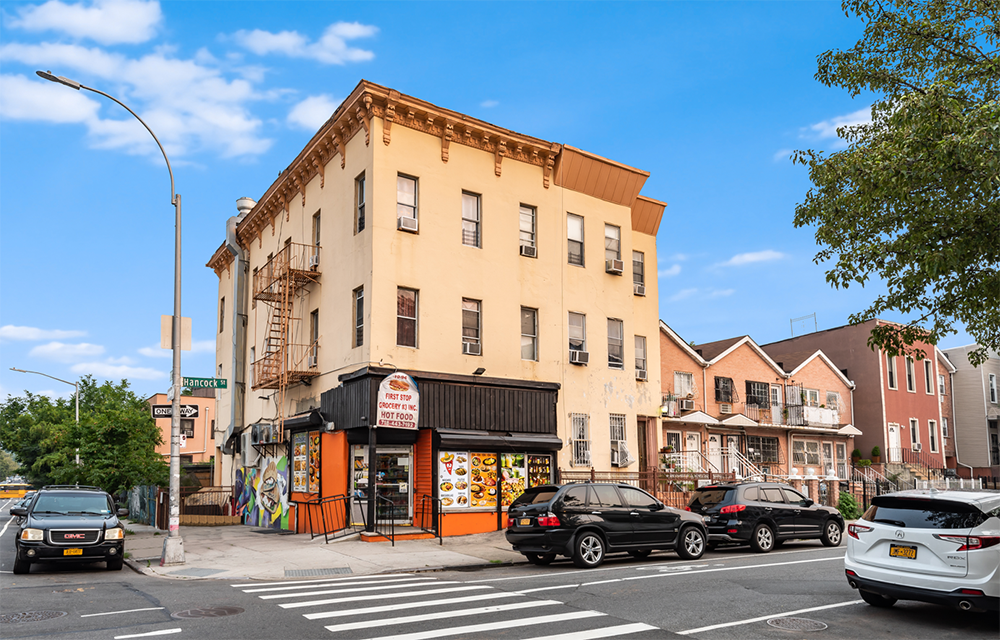
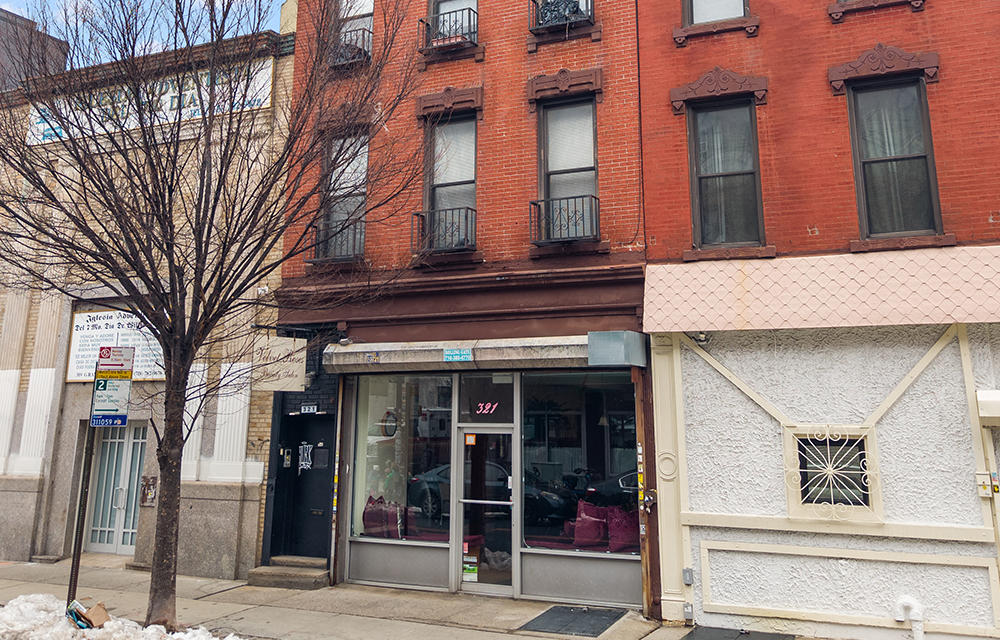
Investment Property Realty Group closes $1.75 million sale of 1094 Hancock Street in Brooklyn
Brooklyn, NY Investment Property Realty Group (IPRG), a New York-based commercial investment firm, has closed the sale of 1094 Hancock St., a mixed-use building in the Bushwick section, for $1.75 million.


Quick Hits

Columns and Thought Leadership

A guide to finding the right NYC property management company - by Sanjay Gandhi
Being a small to midsize landlord in NYC is an increasingly demanding endeavor. From navigating complex regulations, increased compliance demands to dealing with tenant issues and remediating violations. It is wise to enlist the assistance of a partner, a professional

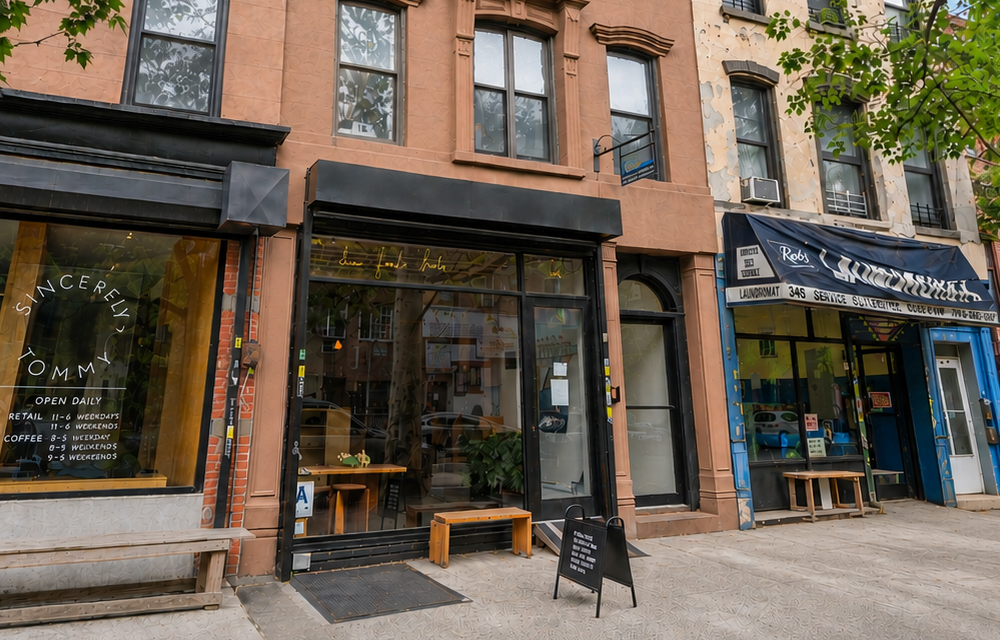
New York’s streets are full again, and the retail numbers prove it - by Noam Aziz
Walk down any New York block this year and you can feel it. The sidewalks are crowded, the storefronts are lit, and the energy that defines this city is back at full volume.

Hunt commercial real estate question and answer: Fortune 500 wisdom - by David Hunt
Yes, there are lessons to be learned from the largest companies in America when comes to managing your real estate. But the decision to buy or lease real estate may not be one of

Hunt CRE question and answer: Choosing a real estate agent - by David Hunt
First, we will only work with one agent exclusively. The primary reason is that we want that agent to legally represent our client’s interests. In New York State, a real estate agent has a fiduciary
.gif)