



News:
Brokerage
Posted: August 26, 2025
Park and Zalta of Platinum Commercial represent Kim’s Bap in 2,500 s/f lease at 496 6th Ave.
Manhattan, NY Kim’s Bap, a modern revival of Korea’s beloved kimbap house, is coming to New York City’s Greenwich Village and will be opening its first outpost in the U.S. at 496 6th Ave., according to exclusive listing agent Platinum Commercial. The eatery is expected to open in early 2026, though it may debut sooner. It will offer authentic Korean-cuisine dishes for those craving healthy, fast, and flavorful food with cultural soul.
Kim’s Bap has signed a 10-year lease for 2,500 s/f that was asking $146 per s/f. Jinwoo (David) Park and Joseph Zalta of Platinum Commercial represented the tenant, and Evan John of C Land Realty represented the landlord.
“For its first location in America, Kim’s Bap aimed to establish presence in a dynamic Manhattan location that would give the food chain exposure to office workers and those who live nearby, and 496 6th Ave. is at of one of Greenwich Village’s most dynamic dining and residential corridors and achieves just that,” said Park, head of Korea desk at Platinum Commercial. “This lease signing is part of a much broader movement as more Korean brands, including in the hospitality and fashion industries, look to explore US expansion. We’re seeing continued momentum as more Korean brands reach out to us for guidance on entering the U.S. market and connecting with a global audience.”
Kim’s Bap will offer a menu that is nutrient-rich with an emphasis on health, speed and cultural authenticity, blending traditional Korean comfort food with a modern fast-casual experience. Dishes will include made-to-order kimbap Korean rice rolls, customizable rice and grain bowls that are also known as bap bowls, seasonal side dishes and Korean-style warmers. All of these menu items will be crafted with fresh vegetables, proteins and heritage-driven sauces. In addition to cuisine that offers efficiency and soul, Kim’s Bap will also invite pedestrians to watch the vibrant food-prep process, echoing the brand’s original street-facing experience from 1992.
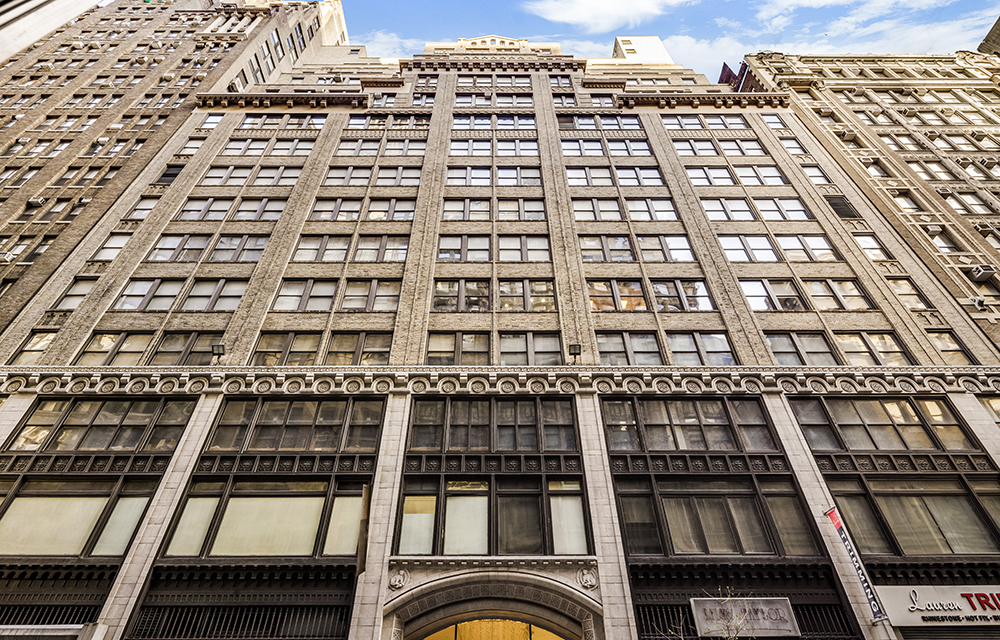
Located in Greenwich Village, 496 6th Ave. is a mixed-use building with retail and residential units and was built in 1900. The building is part of a neighborhood, with boutique shopping, fast-casual food staples, residential buildings and fitness studios all nearby.
Tags:
Brokerage
MORE FROM Brokerage
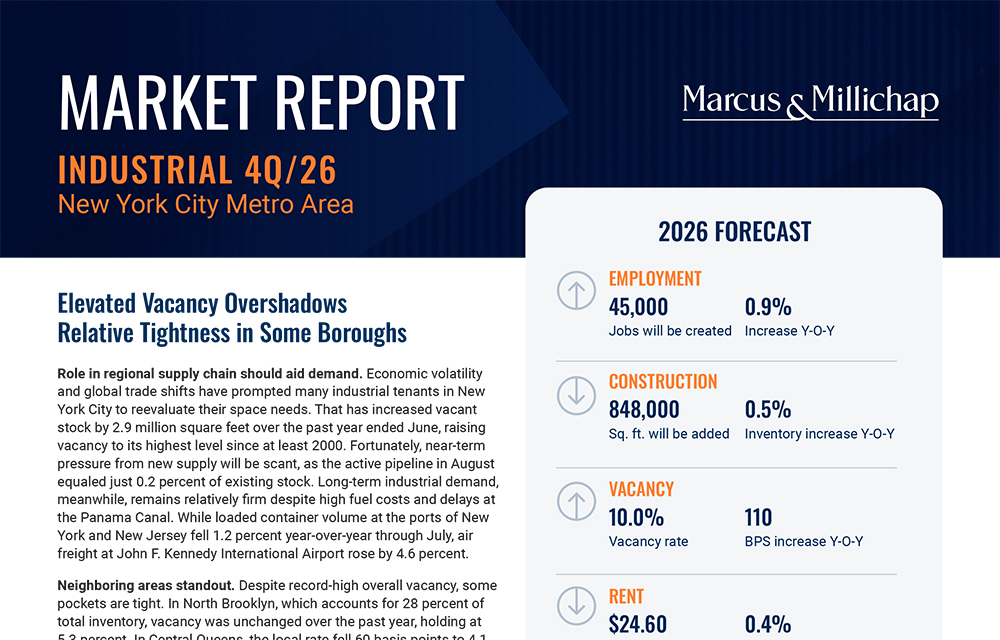
Marcus & Millichap releases fourth-quarter 2026 NYC industrial market report
Manhattan, NY Marcus & Millichap has published its fourth-quarter 2026 New York City Industrial Market Report. “New York City’s industrial market is showing a clear




Quick Hits
 (2).gif)

Columns and Thought Leadership

Hunt CRE question and answer: Choosing a real estate agent - by David Hunt
First, we will only work with one agent exclusively. The primary reason is that we want that agent to legally represent our client’s interests. In New York State, a real estate agent has a fiduciary

Hunt commercial real estate question and answer: Fortune 500 wisdom - by David Hunt
Yes, there are lessons to be learned from the largest companies in America when comes to managing your real estate. But the decision to buy or lease real estate may not be one of

The art of investing in real estate - by Thomas Donovan
Real estate investing is as much an art as it is a skill. No one can time the market, or the factors that drive it, perfectly. Location, zoning, size, transportation, and neighborhood density give you a baseline for

New York’s streets are full again, and the retail numbers prove it - by Noam Aziz
Walk down any New York block this year and you can feel it. The sidewalks are crowded, the storefronts are lit, and the energy that defines this city is back at full volume.
.gif)