



News:
Brokerage
Posted: June 4, 2019
Outside the Region: Sonnenblick-Eichner Co. arranges first mortgage leasehold financing $27 million for the Lahaina Gateway
Maui, HI Sonnenblick-Eichner Co. has arranged $27 million of first mortgage leasehold financing for the Lahaina Gateway, a 136,566 s/f community shopping center.
Proceeds of the non-recourse financing allowed the borrower at closing to repatriate equity it had in the property and provide future funding for tenant improvements, leasing commissions and capital expenditures associated with the lease-up and repositioning of the shopping center. The three-year, fixed-rate, interim loan, with two one-year extension options, allows the borrower to stabilize the property, while providing for flexible prepayment options for a future recapitalization.
The financing was provided by a domestic life insurance company who felt comfortable with the borrower’s ability to reposition the asset with new anchor tenants, resulting in a stabilized NOI that provides significant coverage on the loan.
Current tenants include Foodland Farms, Footlocker, GoWireless and Supercuts. New leases have recently been signed with Ross Dress for Less, Ace Hardware and The Club Maui. The property is on the Honoapi’ilani Highway (H-30) one mile north of downtown Lahaina and seven miles south of the Ka’anapali Resort.
“We were able to identify a life insurance company to provide a fixed-rate financing option that allowed our client to realize invested capital they had in the property, as well as fund additional dollars for the repositioning of the asset,” said Sonnenblick-Eichner principal David Sonnenblick.
“Despite the perceived difficulty of financing retail product today, we were able to get a lender comfortable with the excellent location within the Lahaina sub-market and the significant re-leasing and subsequent cash flow ramp-up,” said Sonnenblick-Eichner principal Patrick Brown.
Tags:
Brokerage
MORE FROM Brokerage
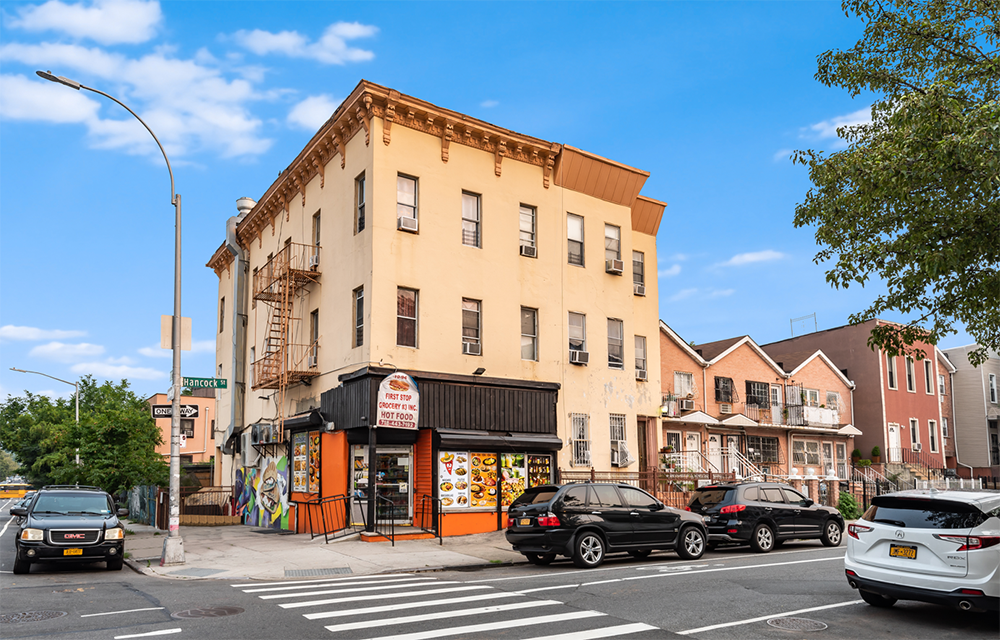
Investment Property Realty Group closes $1.75 million sale of 1094 Hancock Street in Brooklyn
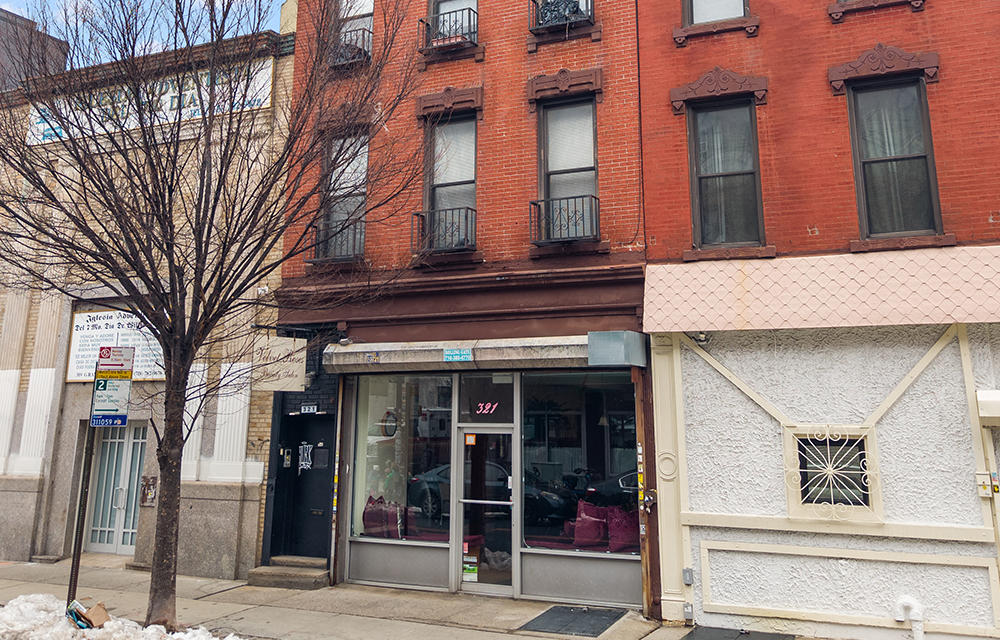
Brooklyn, NY Investment Property Realty Group (IPRG), a New York-based commercial investment firm, has closed the sale of 1094 Hancock St., a mixed-use building in the Bushwick section, for $1.75 million.



Columns and Thought Leadership

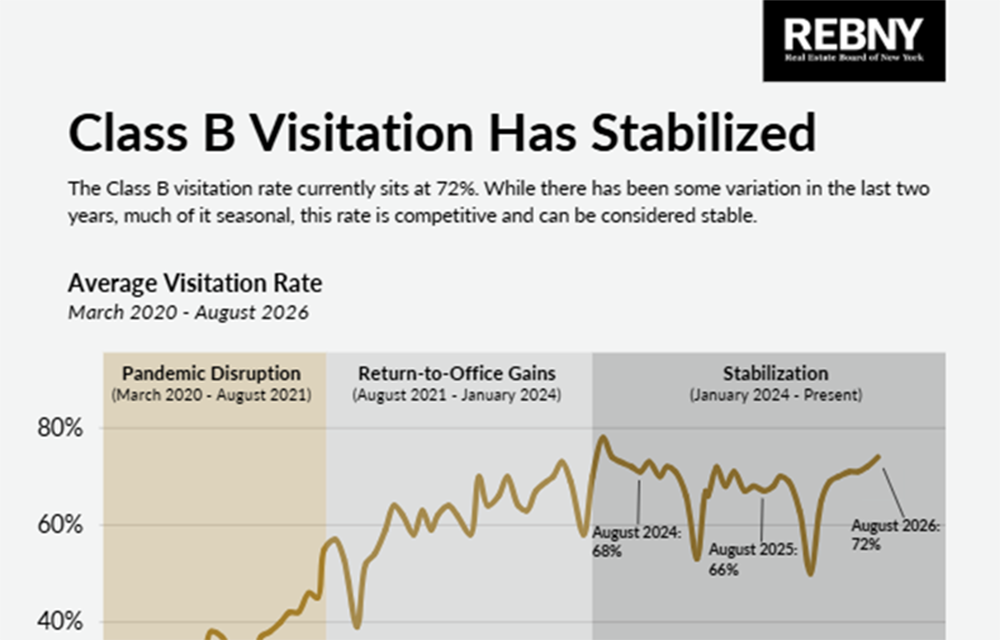
New York’s streets are full again, and the retail numbers prove it - by Noam Aziz
Walk down any New York block this year and you can feel it. The sidewalks are crowded, the storefronts are lit, and the energy that defines this city is back at full volume.

Hunt commercial real estate question and answer: Fortune 500 wisdom - by David Hunt
Yes, there are lessons to be learned from the largest companies in America when comes to managing your real estate. But the decision to buy or lease real estate may not be one of

Hunt CRE question and answer: Choosing a real estate agent - by David Hunt
First, we will only work with one agent exclusively. The primary reason is that we want that agent to legally represent our client’s interests. In New York State, a real estate agent has a fiduciary

A guide to finding the right NYC property management company - by Sanjay Gandhi
Being a small to midsize landlord in NYC is an increasingly demanding endeavor. From navigating complex regulations, increased compliance demands to dealing with tenant issues and remediating violations. It is wise to enlist the assistance of a partner, a professional
.gif)