



News:
Brokerage
Posted: October 16, 2018
Outside the Region: Mall of America chooses Park Assist’s M4 Smart-Sensor Parking Guidance System
Bloomington, MN Park Assist has been awarded the Parking Guidance System (PGS) contract for Mall of America, serving more than 12,000 parking spaces over two garages and four surface lots. The nearly 5 million s/f mall features over 500 shops, 168,000 s/f of office space, an indoor amusement park, aquarium and two hotels. Triple Five Group invested in Park Assist’s M4 camera-based smart-sensor powered technology for the latest integrative capabilities that ease the car-finding process for visitors, upon both entry and exit, and offer additional safety features in the parking lots.
The project is part of a joint effort by Mall of America and the city to reduce traffic buildup by effectively guiding customers to open parking spaces and elevating the overall visitor experience.
The M4 camera based smart-sensor system uses integrated License Plate Recognition (LPR) technology as well as digital directional signage, guiding drivers to the nearest available space. Park Assist’s signage is configured to display real-time parking availability throughout the facility’s over 12,000 spaces. “We are excited to be a part of Mall of America and the City of Bloomington’s efforts to reduce congestion and elevate their parkers’ experience. Park Assist is proud to have designed a solution for one of America’s premier shopping centers.”, said Gary Neff, CEO of Park Assist.
Mall of America visitors will now enjoy effortless parking with guidance throughout the garages and even back to their car using Park Assist’s Find Your Car™ feature via the mall’s mobile app-.
In addition to sensors and intuitive controls, Park Assist’s Park Surveillance™ feature will be deployed to the project scope to serve as a security enhancement. With the addition of Park Surveillance™, the camera based system can capture streaming video continuously or whenever motion is detected in or around a space.
Park Assist is also excited to announce the roll out of the new Park Surface™ pilot program. Park Surface provides the same level of smart guidance technology to outdoor surface and deck parking facilities thereby extending the ease of parking feature to outdoor parkers as well.
Installation began in July and will be completed by November 1, 2018, just in time to alleviate the stress of parking during the holiday shopping season.
Tags:
Brokerage
MORE FROM Brokerage
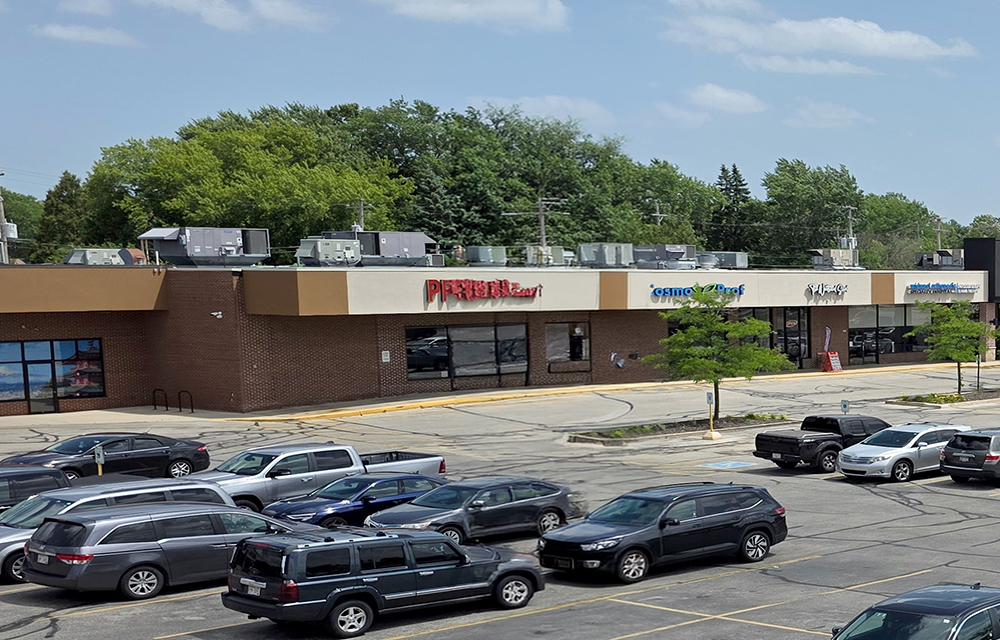
United Properties Corp. expands Wisconsin and Illinois retail presence adding 200,000 s/f
West Allis, WI United Properties Corp. completed two retail acquisitions totaling $27.4 million across Illinois and Wisconsin, adding 205,000 s/f of shopping center space to its portfolio


Quick Hits

Columns and Thought Leadership

New York’s streets are full again, and the retail numbers prove it - by Noam Aziz
Walk down any New York block this year and you can feel it. The sidewalks are crowded, the storefronts are lit, and the energy that defines this city is back at full volume.

A guide to finding the right NYC property management company - by Sanjay Gandhi
Being a small to midsize landlord in NYC is an increasingly demanding endeavor. From navigating complex regulations, increased compliance demands to dealing with tenant issues and remediating violations. It is wise to enlist the assistance of a partner, a professional

Hunt commercial real estate question and answer: Fortune 500 wisdom - by David Hunt
Yes, there are lessons to be learned from the largest companies in America when comes to managing your real estate. But the decision to buy or lease real estate may not be one of

Positive forecast for New York’s pro-housing push? - by Philip Butler
New York’s housing crisis remains a hot button topic despite growing consensus that varied and affordable housing is desperately needed statewide. Governor Hochul has recently introduced several initiatives to overcome N.Y.’s anti-housing
.gif)