



News:
Brokerage
Posted: August 20, 2019
Outside the Region: Feil Org. reps Bernhard in headquarters relocation to The Galleria
Metairie, LA Mechanical and electrical contractor company Bernhard will relocate its national corporate headquarters, according to The Feil Org., the building’s owner and manager. The company will take occupancy of its new 38,500 s/f headquarters on the LEED-certified building’s 8th floor early next year.
The Galleria will be home to 250 Bernhard employees now based in multiple locations in the city, and is expected to produce hundreds of additional indirect jobs in the energy and technology sectors.
“Bernhard was looking for a central location to consolidate its growing New Orleans workforce while enabling its staff to communicate better and more efficiently,” said Jeffrey Feil, CEO of The Feil Org. “The Galleria met their criteria as a perfect location and ideal situation: a sustainable building that reflects the company’s own dedication to energy-as-a-service. We look forward to having them as a long-term, expanding tenant.”
Colette Wharton, regional director of asset management of The Feil Org., served as the owner’s in-house representative during the negotiations. Corporate Realty represented both sides in the transaction, with Jeff Cohn representing Feil, and Mike Siegel, Bernhard.
“We’re seeing unprecedented interest and substantial activity and unprecedented interest in all our projects in the region,” Feil said. “Bernhard’s new headquarters is a tremendous moment for Metairie and for Jefferson County.”
"This is an exciting growth period for Bernhard," said Ed Tinsley, Bernhard CEO. "For more than 100 years, Bernhard has called Louisiana home. This move will help us continue building the next 100 years of Bernhard in Louisiana as we advance our historical lines of business and simultaneously invest in the future of energy technology, efficiency and related services.”
The 420,566 s/f Galleria was built in 1986 and renovated in 2008. Located at 1 Galleria Boulevard, the 21-story building offers amenities including a sundries shop, fitness center, and food services.
Tags:
Brokerage
MORE FROM Brokerage
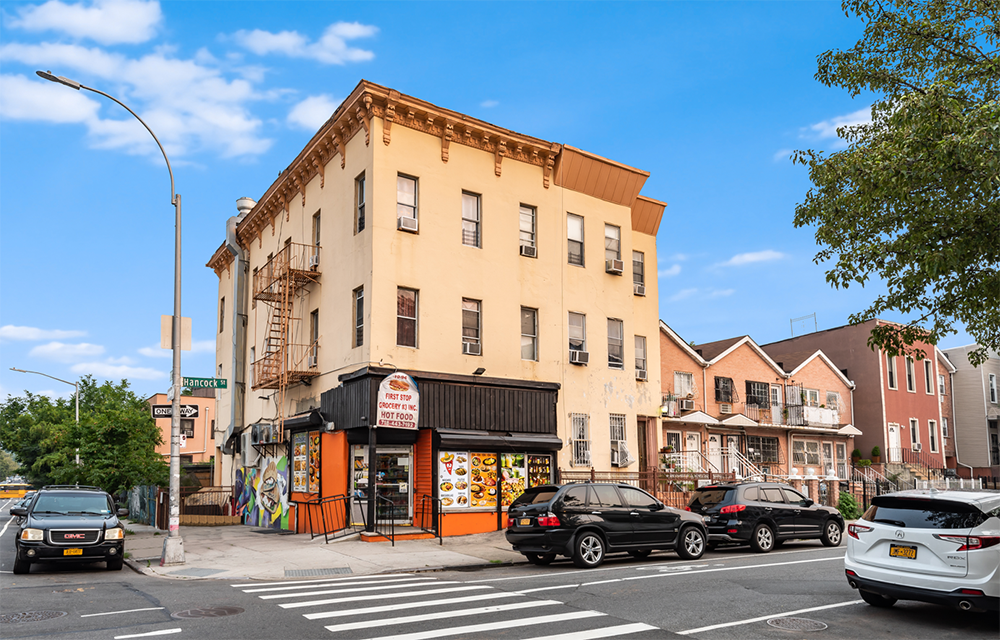
Investment Property Realty Group closes $1.75 million sale of 1094 Hancock Street in Brooklyn
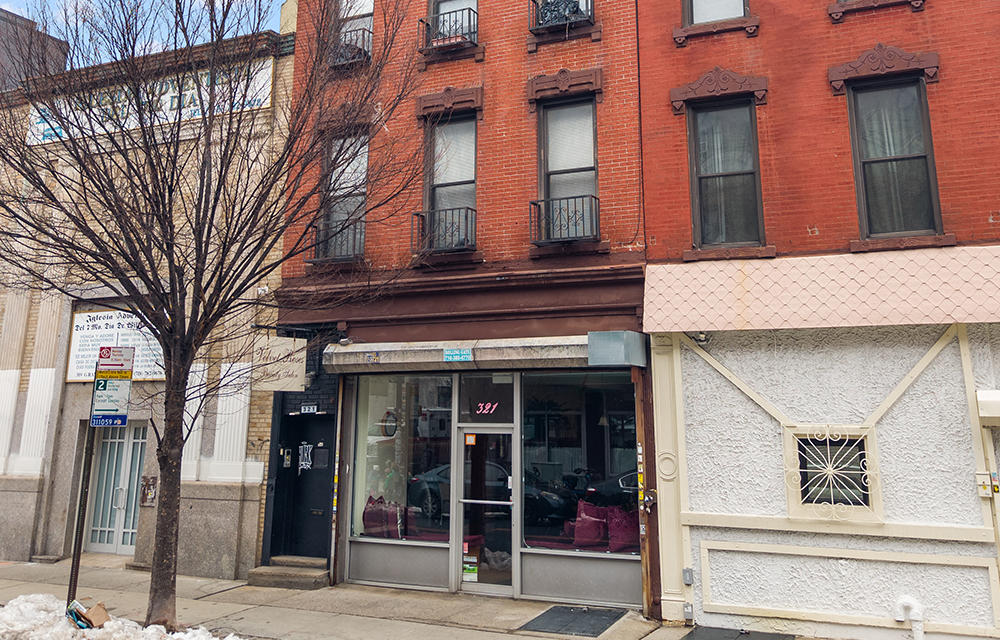
Brooklyn, NY Investment Property Realty Group (IPRG), a New York-based commercial investment firm, has closed the sale of 1094 Hancock St., a mixed-use building in the Bushwick section, for $1.75 million.


Quick Hits
 (2).gif)

Columns and Thought Leadership

A guide to finding the right NYC property management company - by Sanjay Gandhi
Being a small to midsize landlord in NYC is an increasingly demanding endeavor. From navigating complex regulations, increased compliance demands to dealing with tenant issues and remediating violations. It is wise to enlist the assistance of a partner, a professional

New York’s streets are full again, and the retail numbers prove it - by Noam Aziz
Walk down any New York block this year and you can feel it. The sidewalks are crowded, the storefronts are lit, and the energy that defines this city is back at full volume.

Hunt CRE question and answer: Choosing a real estate agent - by David Hunt
First, we will only work with one agent exclusively. The primary reason is that we want that agent to legally represent our client’s interests. In New York State, a real estate agent has a fiduciary

Hunt commercial real estate question and answer: Fortune 500 wisdom - by David Hunt
Yes, there are lessons to be learned from the largest companies in America when comes to managing your real estate. But the decision to buy or lease real estate may not be one of
.gif)