



News:
Brokerage
Posted: March 8, 2022
North Brooklyn News - by Jason Moskowitz

Each month I sit at my computer and wrestle with how to concisely bring my readers the most relevant news - nationally and locally - that may impact their real estate decisions. This month my internal struggle was being waged between highlighting the tailwinds of soaring investor demand, unprecedented cash reserves held by both lenders and individuals, the continued climb back to "normalcy" from the chaos wreaked by the pandemic, a whipsawing stock market, and another strong jobs report vs. the counter attack of major headwinds in the form of rising interest rates, soaring inflation, a looming labor shortage, and ever present specter of what can only be described as an anti-real estate lobby in Albany.
However, one issue has jumped to front of everyone's mind in the past week and cannot be ignored: The crises in the Ukraine. Obviously, the effect on the U.S., and more specifically, the Brooklyn real estate market is trivial when compared with the suffering and loss of human life that war brings with it, the geopolitical ramifications, or the worldwide economic fallout that may transpire as a result. Being that I am not qualified to write about those implications, I'll ask that you forgive me, and understand that I am by no means overlooking the horror of war, by breaking down how this crisis may affect our market locally, for that is where my expertise lies. As you're no doubt aware, the U.S. and our allies have imposed sanctions the likes of which have not been seen since the Cold War. As a result, Russia's currency and stock market have crashed to historic depths.
Ten years ago, this might have had major fallout in the U.S. real estate market. However, the truth is that economic sanctions already imposed on Russia after it's annexation of Crimea in 2014 had already hobbled their ability to compete in the global banking system, which in turn greatly hampered their ability to invest in foreign markets. According to Real Capital Analytics, Inc., Russia's capital investment in global commercial property markets outside of their own country has only amounted to approximately $330M annually since that time. In comparison, last month alone Brookfield Properties secured $330M in financing for their waterfront development project, Greenpoint Landing, you can see that the direct implications of further sanctions imposed on Russia shouldn't be too concerning for us in the local real estate market. That being said, no one knows where this is heading, and if the conflict continues to escalate and if more nations get pulled into the fray, then obviously I will need to revisit this assessment. I will continue to monitor this situation closely and do my best to translate how it will affect you as an owner of investment real estate here at home.
To briefly highlight some encouraging news:
- REBNY released their annual NYC Construction Report last month. We learned that the fourth quarter of 2021 saw the highest volume of planned square footage in our city in any one quarter since 2014. Building permit filings volume in Brooklyn alone increased in the 4th quarter at a rate of 27% over 3rd quarter, and 20% year-over-year. Additionally, Gov. Hochul earmarked $25B for housing and property tax rebates in her proposed budget, along with proposing an extension of the 421-A tax abatement program. All of this bodes well for continued strength in the local development market for the foreseeable future.
- In all, over 2 million square feet of new projects were filed in Northern Brooklyn alone so far this year. One of those new filings was for the development of two waterfront towers – totaling 1.2M square feet of mostly residential space – by U.K developer, Quadrum Global. Could this signal the beginning of the return of large foreign investors to the area?
- Local landlords got a rare victory in court when New York’s highest court exempted certain units covered by loft law from rent stabilization requirements. Owners of those units may now legally buy out tenants and bring their apartments to market at free market status.
- Senator Schumer declared that Newtown Creek, and other “orphaned” superfund sites, should benefit directly from $3.5B earmarked in the recently passed bi-partisan infrastructure bill.
Until next month, fill those vacancies, collect those rents, and stash some reserves.
Jason Moskowitz is a licensed associate real estate broker at Marcus & Millichap.
Tags:
Brokerage
MORE FROM Brokerage
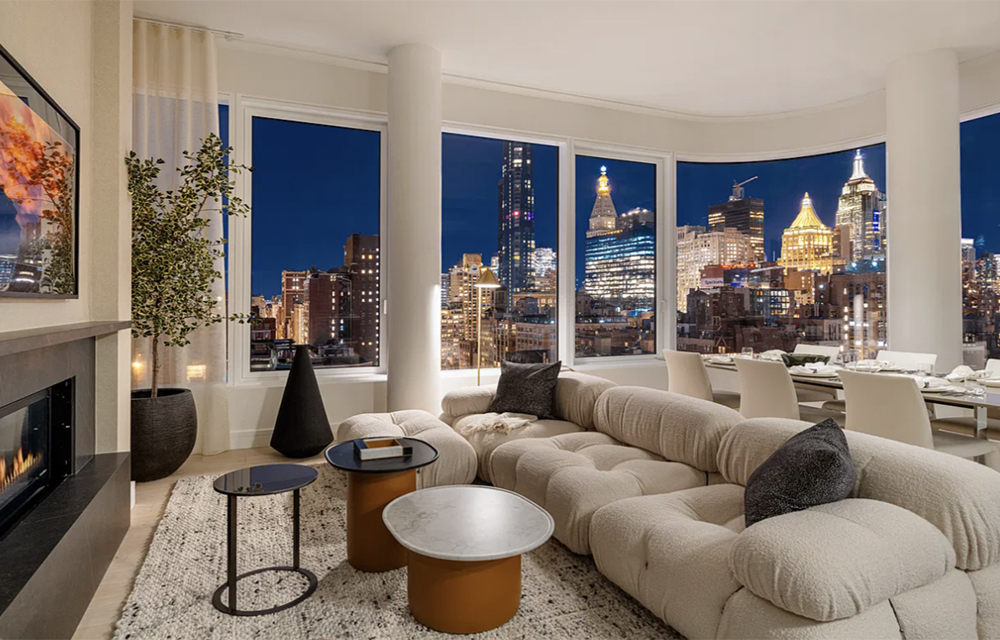
200E20TH sells out in Gramercy, penthouse A closes out sales at the CetraRuddy-designed condominium residences
Manhattan, NY 200E20TH, the CetraRuddy-designed architectural masterwork that brought a curved, contemporary sensibility to Gramercy’s Beaux-Arts streetscape, has




Quick Hits

Columns and Thought Leadership

The art of investing in real estate - by Thomas Donovan
Real estate investing is as much an art as it is a skill. No one can time the market, or the factors that drive it, perfectly. Location, zoning, size, transportation, and neighborhood density give you a baseline for

Hunt CRE question and answer: Choosing a real estate agent - by David Hunt
First, we will only work with one agent exclusively. The primary reason is that we want that agent to legally represent our client’s interests. In New York State, a real estate agent has a fiduciary

Hunt commercial real estate question and answer: Fortune 500 wisdom - by David Hunt
Yes, there are lessons to be learned from the largest companies in America when comes to managing your real estate. But the decision to buy or lease real estate may not be one of

New York’s streets are full again, and the retail numbers prove it - by Noam Aziz
Walk down any New York block this year and you can feel it. The sidewalks are crowded, the storefronts are lit, and the energy that defines this city is back at full volume.
.gif)