



News:
Spotlight Content
Posted: November 25, 2013
Nicholson of SBLM: Opening offices in expanding markets
Name: David Nicholson, AIA, LEED AP O&M
Title: Principal
Company/Firm: SBLM Architects
Years with company/firm: 15
Years in field: 30
Years in real estate industry: 30
Telephone: 212-995-5600
Email: [email protected]
URL: www.sblm.com
Real Estate Associations/Affiliations: American Institute of Architects (AIA), Leadership in Energy and Environmental Design Accredited Professional Operations and Maintenance (LEED AP O&M), National Council of Architectural Registration Boards (NCARB)
What are you hoping to accomplish by attending and/or exhibiting at the show and what is different about this year's show?
We hope to fortify existing relationships, and introduce ourselves to potential new clients as well. I anticipate a very well-attended and productive event this year, building on last year's success.
Are retailers finding the types of properties that they want right now and are tenants happy with the sites available to them?
In the five boroughs, good sites are difficult to come by. Developers and retailers are joining forces to purchase a wide variety of under-utilized commercial and industrial properties for demolition and redevelopment. These sites, though well-located, require environmental remediation, creative planning and design, lengthy entitlement timeframes, and construction challenges. These sites require developers with experience, and retailers willing to think outside the box.
In the current economic climate what kinds of deals are out there and who is the typical buyer? Consumer?
The deals we see are both complicated and subject to intense negotiations. Available sites are intrinsically more complex in their development, and all parties in the negotiations are avid in their efforts to get the best possible deal. Consequently, deals are taking more time and effort.
The recession, rising gas prices and the housing crisis has created a new trend. Generation Y'ers are now staying in the city and the baby boomers are actually returning to the city from the suburbs. How has this affected your business and NYC retail in general?
We clearly see a rising demand for retail space in the five boroughs and the surrounding urbanized area. Today's retailers have recognized this movement into the cities, and in some cases are scrambling to open new locations to tap into this growing urban marketplace.
How will the redevelopment after Hurricane Sandy affect NY retail and your business in particular?
We have seen an increase in our business as our clients rebuild damaged locations. We have not detected any unwillingness to reinvest in Sandy-affected areas, or to avoid them when considering new locations. We do see, however, an increase in awareness of weather-related hazards, and a willingness to adapt flood-resistant design and construction measures.
How did your company withstand the recession and what changes have you made to grow and succeed during the recovery of the retail market? We were fortunate to have a significant backlog of institutional work going into the recession. As a result, we were able to maintain profitability despite having to contract in size. Recently, we have expanded by opening offices in expanding markets outside of the five boroughs in order to widen our reach. In addition to our New York City headquarters, SBLM has offices in Long Island, Miami, and Dallas enabling us to serve clients nationwide.
How does your company use social media? Has social media been a beneficial tool in generating more business?
SBLM is active on Twitter, LinkedIn and Facebook and has an active Newsfeed on our website. We follow all of our clients and industry connections. We are pleased to be able to support our clients, their projects and causes by keeping an active ear to trending information. We have found the communication reciprocal and often find hot news tips and leads before they are published anywhere else.
Tags:
Spotlight Content
MORE FROM Spotlight Content
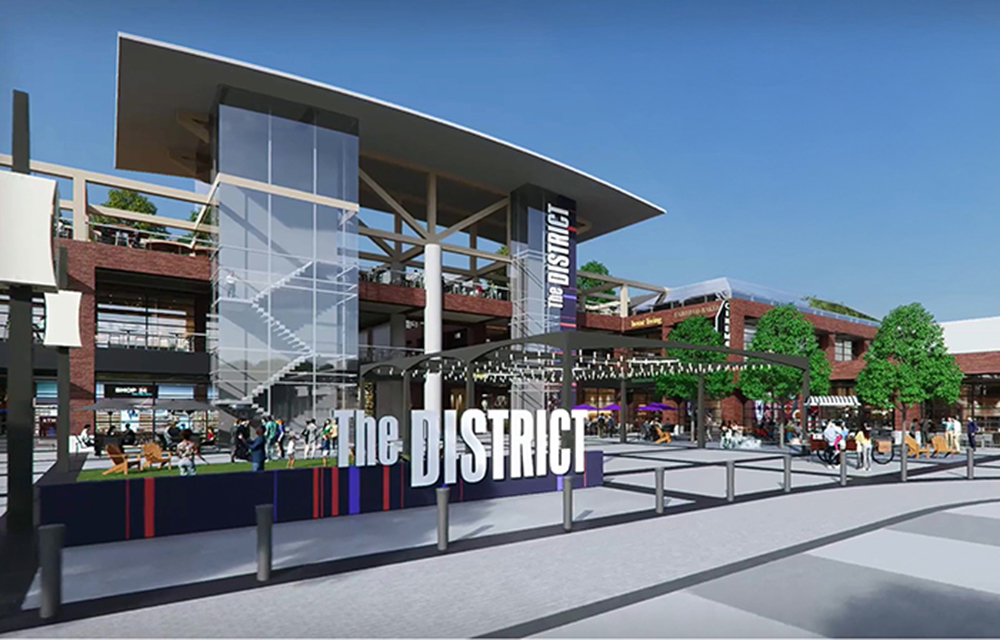
2026 Developing Long Island: The Shops on Broadway
Hicksville, NY The Shops on Broadway is transforming one of Long Island’s most recognizable retail properties into a vibrant new destination. At the heart of the redevelopment is The District, an open-air environment designed by SPECTOR Companies around dining, entertainment, gathering, and community.

.png)

 (2).gif)

Columns and Thought Leadership

Properly serving a lien law Section 59 Demand - by Bret McCabe
Many attorneys operating within the construction space are familiar with the provisions of New York Lien Law, which allow for the discharge of a Mechanic’s Lien in the event the lienor does not commence an action to enforce following the service of a “Section 59 Demand”.

From vacancy to vitality: How adaptive reuse is reshaping Long Island’s CRE landscape - by Andrea Tsoukalas Curto
Adaptive reuse has become one of the most important conversations in commercial real estate today. Long Island has a large inventory of aging retail, office and industrial

CRE Guide Featured Company: Merritt Environmental Consulting Corp.
Merritt Environmental Consulting Corp. (MECC) was established in June of 2009 after being part of a larger engineering firm for almost 20 years. The focus of the company is to assist lending institutions, attorneys, real estate investors, and property owners with environmental concerns. Today, MECC has offices in New York, Florida, and Vermont and has grown into a regional consulting firm serving clients along the East Coast.

2026 Developing Queens: Long Island Board of Realtors advances commercial growth and advocacy in Queens
The Long Island Board of Realtors (LIBOR) Commercial Network continues to play a key role in advancing opportunities and strengthening the commercial real estate landscape across Queens. Through targeted programming and global outreach
September Promotion
