


 (2).gif)
News:
Spotlight Content
Posted: November 25, 2013
Debbas and Arad of Romer Debbas discuss social media
Name: Pierre Debbas and Guy Arad
Title: Partners
Company/Firm: Romer Debbas, LLP
Years with company/firm: Firm is 3 years old.
Years in field: Combined 25
Years in real estate industry: Combined 25
Telephone: 212-888-3100
Email: [email protected]
URL: www.romerdebbas.com
Real Estate Associations/Affiliations: NYS Bar Association
Generation Y'ers are now staying in the city and the baby boomers are actually returning to the city from the suburbs. How has this affected your business and NYC retail in general?
NYC's population has actually grown since the recession. With the increase in population will result in the increase in demand for the businesses which occupy retail spaces. With the economy improving and consumer confidence growing, spending should increase as a result and thus lead to more activity and competition in the retail world.
How does your company use social media?
We primarily focus on contributing to various periodicals whether by being quoted or publishing an article. From there we have a list on our website which has all of these articles and we post any interesting ones or major accomplishments for our firm on our firm facebook page or on twitter.
How did your company withstand the recession and what changes have you made to grow and succeed during the recovery of the retail market?
Our firm is a real estate boutique firm with a focus on all transactional elements of New York City real estate. Our practice is diverse in that we represent buyers and sellers of residential and commercial properties, landlords and tenants with respect to office leasing and retail leasing, several lending institutions in their commercial and residential lending activities as well as several buildings as general counsel. Our diversity helps us withstand the fluctuations of certain areas of the real estate market as we are not solely dependent on one specific area in terms of our growth. We are excited for the recovery of the retail market as we are better equipped than we've ever been before to capture market share in this area.
Tags:
Spotlight Content
MORE FROM Spotlight Content
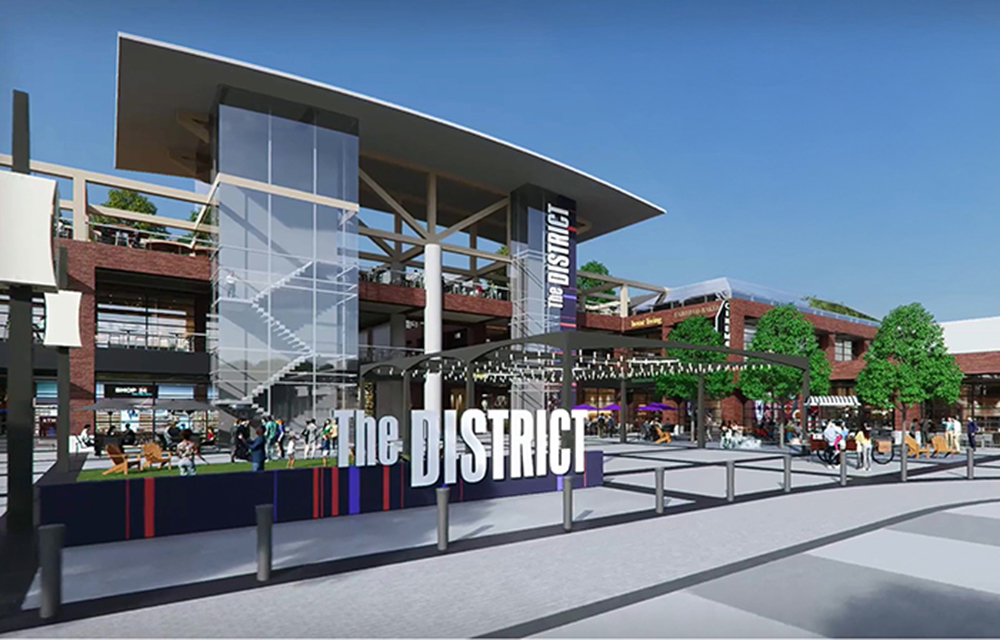
2026 Developing Long Island: The Shops on Broadway
Hicksville, NY The Shops on Broadway is transforming one of Long Island’s most recognizable retail properties into a vibrant new destination. At the heart of the redevelopment is The District, an open-air environment designed by SPECTOR Companies around dining, entertainment, gathering, and community.

.png)

Quick Hits
 (2).gif)

Columns and Thought Leadership

Properly serving a lien law Section 59 Demand - by Bret McCabe
Many attorneys operating within the construction space are familiar with the provisions of New York Lien Law, which allow for the discharge of a Mechanic’s Lien in the event the lienor does not commence an action to enforce following the service of a “Section 59 Demand”.

From vacancy to vitality: How adaptive reuse is reshaping Long Island’s CRE landscape - by Andrea Tsoukalas Curto
Adaptive reuse has become one of the most important conversations in commercial real estate today. Long Island has a large inventory of aging retail, office and industrial

2026 Developing Queens: Long Island Board of Realtors advances commercial growth and advocacy in Queens
The Long Island Board of Realtors (LIBOR) Commercial Network continues to play a key role in advancing opportunities and strengthening the commercial real estate landscape across Queens. Through targeted programming and global outreach

CRE Guide Featured Company: Merritt Environmental Consulting Corp.
Merritt Environmental Consulting Corp. (MECC) was established in June of 2009 after being part of a larger engineering firm for almost 20 years. The focus of the company is to assist lending institutions, attorneys, real estate investors, and property owners with environmental concerns. Today, MECC has offices in New York, Florida, and Vermont and has grown into a regional consulting firm serving clients along the East Coast.
September Promotion
