



News:
Construction Design & Engineering
Posted: April 21, 2020
New York clarifies differences between “emergency” and “essential” construction - by Lisa Andrzejewski

Following governor Cuomo’s order and the Empire State Development (ESD) guidance on March 27th, 2020, which provided that all “non-essential construction” except “emergency construction” must shut down, this week the commissioner of the New York City Department of Buildings issued clarification about the terms “emergency” and “essential” construction (the “Bulletin”).
According to the DOB’s Bulletin, “emergency construction” is permitted to continue until further notice. This is in addition to roads, bridges and transit facility construction projects which are authorized to continue under the governor’s Executive Orders and ESD Guidance as “emergency construction.” Id. Emergency construction which the ESD guidance previously defined as a “project necessary to protect health and safety of the occupants,” has now been clarified to include: a) emergency work ordered by the DOB, b) restoration of essential services – heat, hot water, cold water, gas, electricity or other utility services and c) work necessary for corrective action that “severely affects life, health, safety, property, or significant number of persons.” Id. Emergency construction is further articulated by the Bulletin as construction “required to continue to the extent that it would be unsafe to allow work to remain undone” but may “continue only until it is safe to shut the site.” Id.
Pursuant to the Bulletin, affordable housing, which the Governor characterized as “essential construction,” is now further defined as:
“Construction work on public housing, or a private or multiple dwelling or real property that is a new building (NB) that is 100% vacant or is work on unoccupied public housing units for the designation as housing for specific populations (i.e., shelter set aside, domestic violence referrals), or work on the exterior to address emergency conditions requiring immediate corrective action, set forth in Section 1(a)(iii) or within public housing, correction of critical systems for seasonal preparedness for the 2020-2021 heating season of an existing public housing building. Construction work on a private or multiple dwelling or real property that is a new building (NB) or that is 100% vacant that is now used or will be converted to such use: (i) For the provision of affordable inclusionary housing or mandatory inclusionary housing pursuant to the New York city zoning resolution; or (ii) Where no less than 30% of the residential units are subject to a regulatory agreement, restrictive declaration, or similar instrument with a local, state, or federal governmental entity or a local housing authority in a city with a population of one million or more.”
Information about New York City’s Inclusionary Housing Program, including maps, is accessible by visiting https://www1.nyc.gov/site/hpd/services-and-information/inclusionary-housing.page.
The information provided is current as of April 3rd, 2020; however, since this area remains somewhat fluid, checking for updates is recommended.
Lisa Andrzejewski is an associate in the Construction Group at Robinson & Cole LLP, Hartford, Conn.
MORE FROM Construction Design & Engineering
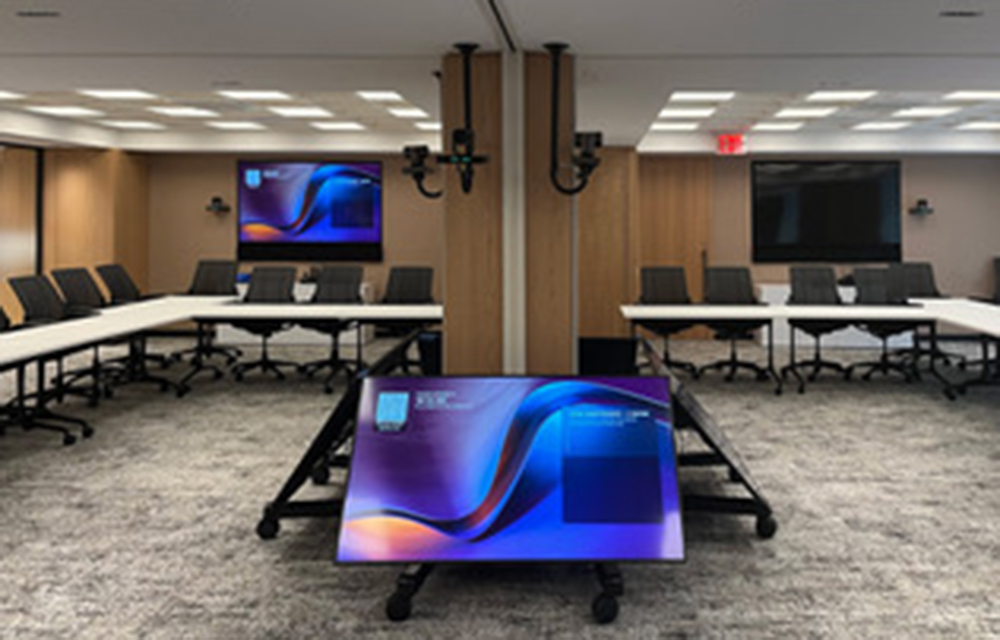
Kajima Building & Design Group completes workplace renovation for Marubeni America Corp. at 90 Park Ave.
Manhattan, NY Kajima Building & Design Group (KBDG) has completed a 1,500 s/f workplace renovation for Marubeni America Corp. at 90 Park Ave. in Midtown, renovating interior workspace designed to support both





Columns and Thought Leadership

We support green construction. Just not this kind - by Tammy Smith
Most people think of St. Patrick’s Day as a fun footnote on the calendar. In construction logistics, however, it’s a full-scale operational variable — especially if your work touches major metro areas with major parades and, let’s call it what it is, enthusiastic celebrants.

Premium experiences, proven returns: The New revenue playbook for sports venues - by Terry McIntyre
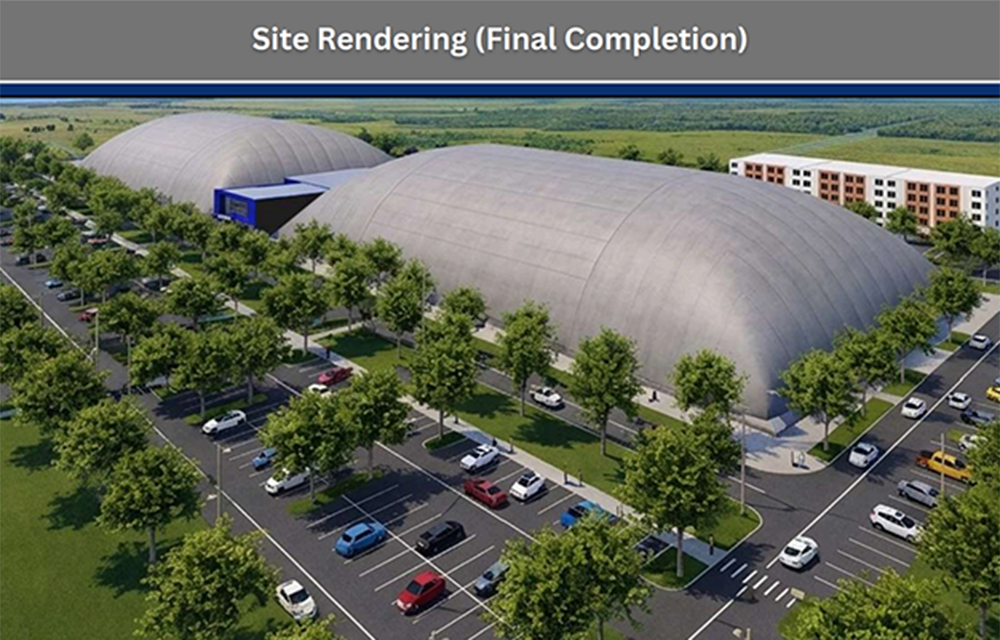
Investing in the Fan Experience as a Revenue Strategy The sports and entertainment venues that bet on premium experiences years ago are now seeing those investments pay off in packed seats, increased revenue, and industry recognition.
