



News:
Construction Design & Engineering
Posted: February 25, 2025
New York Building Congress launches 2025 Policy Agenda

Manhattan, NY With New York City at a pivotal moment for infrastructure and development, the New York Building Congress unveiled its 2025 Policy Agenda, outlining a vision for tackling some of the city, state and region’s most pressing challenges in infrastructure, housing, transportation, energy production, climate resilience and workforce development.
As Albany prepares for state budget talks and a new Congress gears up to debate the future of federal infrastructure funding, the Building Congress calls on local, state and federal leaders to adopt transformative policies that will secure New York’s position as a global leader in development.
“Our industry has always been at the forefront of building a stronger, more resilient New York,” said Carlo Scissura, Esq., president and CEO of the New York Building Congress.
“This year, we’re laser-focused on driving investments that will not only rebuild our city, but also prepare it for the challenges of tomorrow. From reauthorizing the Bipartisan Infrastructure Law, to tackling the housing crisis we remain in, to advancing renewable energy, we’re committed to turning these priorities into actions that deliver real results for all New Yorkers.”
The Building Congress’ top priority is the reauthorization of the Bipartisan Infrastructure Law (BIL) in 2026, ensuring that critical funding continues to flow into transformative projects across New York. With $29 billion already allocated to the state under BIL, the Building Congress is urging swift action to accelerate infrastructure upgrades, expand housing initiatives, and modernize the city’s transit network.
Key issue areas and priorities from the report include:
Federal Infrastructure Leadership
• Reauthorize the Bipartisan Infrastructure Law to ensure a continued commitment to the $1.2 trillion investment before its 2026 expiration to maintain roads, bridges, and transit and more;
• Accelerate allocation of the $29 billion already designated for New York to jumpstart critical infrastructure projects;
• Support new federal workforce grants to train workers for infrastructure jobs, streamline environmental review and establish a federal infrastructure bank.
Affordable Housing & Community Investment
• Expand the 485-x housing tax abatement program and enhance Low-Income Housing Tax Credits to jumpstart housing production;
• Invest $5 billion in essential infrastructure upgrades — sewer systems, flood mitigation, and transportation improvements — for neighborhoods poised for growth.
Transportation Modernization
• Prioritize the Second Avenue Subway expansion, station accessibility, and transit-oriented development with funding from the MTA capital budget and congestion pricing revenues.
Climate Action & Energy Transition
•Shift renewable energy funding from utility ratepayers to a state-financed model to reduce costs for New Yorkers. At the same time increasing investment in renewable energy like wind and solar;
• Advocate for balanced implementation of Local Law 97 that accounts for high energy users such as hospitals;
• Create a policy framework to rapidly build out and deploy new nuclear energy facilities, using advanced technologies such as Small Modular Reactors.
Building the Workforce of the Future
• Expand childcare options to support workers with early shifts and increase access to OSHA and sustainable construction training;
• Invest in apprenticeships and job training programs to meet the growing demand for skilled labor.
Strengthening M/WBEs
• Create a centralized procurement portal for M/WBEs and advocate for faster payment processes to ensure financial stability;
• Simplify certification processes across city and state agencies to streamline participation in public projects.
“This agenda is not just a vision — it’s a roadmap to ensure New York remains the gold standard for urban development,” said Building Congress chair and STV president & CEO Gregory Kelly. “With strong partnerships between government, industry, community stakeholders and our members, 2025 can be a year of historic progress.”
MORE FROM Construction Design & Engineering
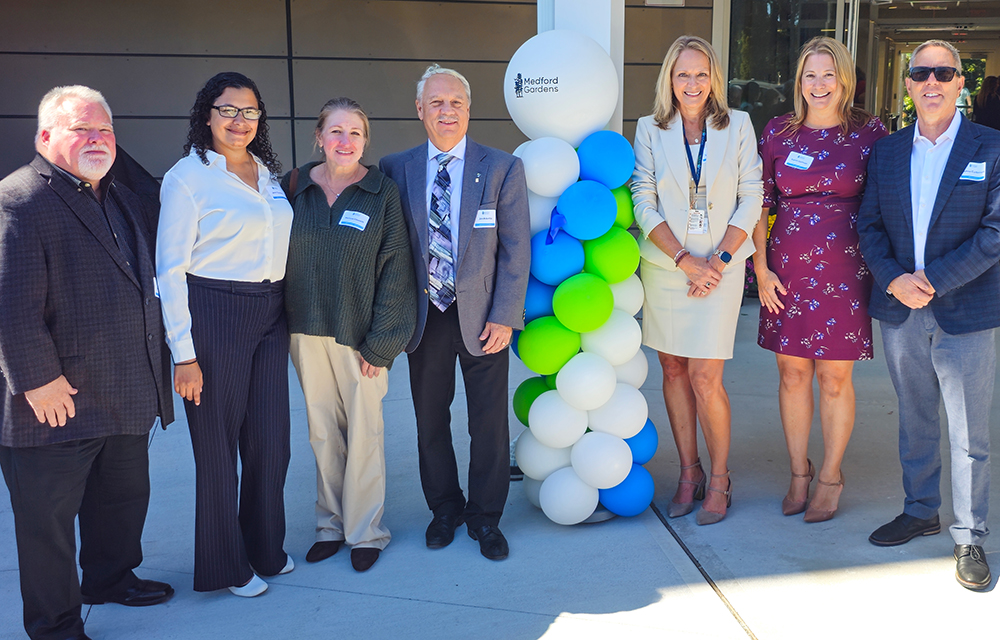
WellLife and H2M celebrate new senior housing Medford Gardens provides affordable housing for renters 55 and older
Medford, NY H2M architects + engineers (H2M) joined WellLife Network, along with state and local officials, housing advocates, and project partners, to celebrate the grand opening of Medford Gardens, a new affordable and supportive

Quick Hits


Columns and Thought Leadership

The façade is no longer just a finish. It’s a risk strategy. - by Bentley Zhao
Twelve-billion-dollar weather disasters have already hit the U.S. through the first half of 2026, causing at least $31.9 billion in damage, according to Climate Central, the nonprofit that now maintains the disaster database NOAA discontinued.

We support green construction. Just not this kind - by Tammy Smith
Most people think of St. Patrick’s Day as a fun footnote on the calendar. In construction logistics, however, it’s a full-scale operational variable — especially if your work touches major metro areas with major parades and, let’s call it what it is, enthusiastic celebrants.

Premium experiences, proven returns: The New revenue playbook for sports venues - by Terry McIntyre
Investing in the Fan Experience as a Revenue Strategy The sports and entertainment venues that bet on premium experiences years ago are now seeing those investments pay off in packed seats, increased revenue, and industry recognition.
