



News:
Brokerage
Posted: May 21, 2019
New SEQRA amendments: What developers and land-use professionals need to know - by Andrea Tsoukalas Curto

Forchelli Deegan Terrana LLP
The first major State Environmental Quality Review Act (SEQRA) revisions since 1996 took effect January 1, 2019. The amendment has expanded upon the list of Type II actions, with the goal of supporting policies that favor green infrastructure, renewable energy and smart growth. One of the highlights of the new revisions is that a project that involves redevelopment of an existing building could be classified as a Type II action and would not require the SEQRA process. This is a major relief to developers.
While the Type II list has expanded, some Type I thresholds have been lowered, meaning that more projects may be classified as Type I and require SEQRA review. For example, the threshold number for triggering a Type I action has been lowered for the construction of new residential units seeking to be connected to existing community or public water sewerage systems. Additionally, the revisions have expanded on the types of historic classifications which would convert an Unlisted action to a Type I action. This expansion becomes an additional hurdle for developers and property owners alike.
The amendments have also added new scoping requirements. While scoping was previously optional, the amendments now make it mandatory for all EIS.
The DEC has made efforts to modernize the SEQRA process and make it more transparent. Most notably, the amendments have expanded on the list of Type II actions with a goal of encouraging “green” building. Developers will now benefit from the new list of projects that are no longer subject to SEQRA review. However, where actions are considered Type I or Unlisted and have received a Positive Declaration, the process will become more onerous, and now include mandatory scoping.
Andrea Tsoukalas Curto is a partner, and Jessica Leis is an associate in the Land Use and Zoning Practice Group at Forchelli Deegan Terrana LLP, Uniondale, N.Y.
Tags:
Brokerage
MORE FROM Brokerage
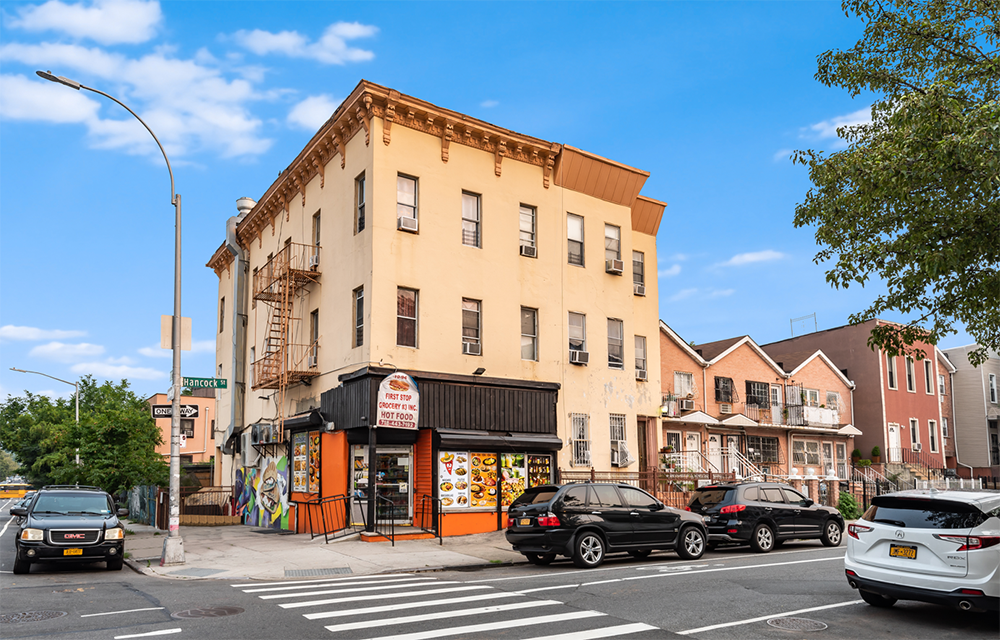
Investment Property Realty Group closes $1.75 million sale of 1094 Hancock Street in Brooklyn
Brooklyn, NY Investment Property Realty Group (IPRG), a New York-based commercial investment firm, has closed the sale of 1094 Hancock St., a mixed-use building in the Bushwick section, for $1.75 million.



Quick Hits

Columns and Thought Leadership

New York’s streets are full again, and the retail numbers prove it - by Noam Aziz
Walk down any New York block this year and you can feel it. The sidewalks are crowded, the storefronts are lit, and the energy that defines this city is back at full volume.

A guide to finding the right NYC property management company - by Sanjay Gandhi
Being a small to midsize landlord in NYC is an increasingly demanding endeavor. From navigating complex regulations, increased compliance demands to dealing with tenant issues and remediating violations. It is wise to enlist the assistance of a partner, a professional

Hunt CRE question and answer: Choosing a real estate agent - by David Hunt
First, we will only work with one agent exclusively. The primary reason is that we want that agent to legally represent our client’s interests. In New York State, a real estate agent has a fiduciary

Hunt commercial real estate question and answer: Fortune 500 wisdom - by David Hunt
Yes, there are lessons to be learned from the largest companies in America when comes to managing your real estate. But the decision to buy or lease real estate may not be one of
.gif)