



News:
Brokerage
Posted: July 15, 2013
New Condominiums; Boards and unit owners need balance
Lately a lot of condominium boards of managers have been calling for advice. Their legal needs are all rather similar in that the sponsor has recently relinquished control and now the board of managers is comprised entirely of unit owners. They are on their own and are settling into their roles and new found power. They have a lot of questions about what they can and cannot do as boards.
One of the first things they all seem to want to do is hire new property management companies. They want to distance themselves from the sponsor and its team. A good property management company is helpful in getting the building more organized and developing systems and a structure. An experienced property management company brings a wealth of experience with them from other buildings that the board can draw upon. They often need to obtain better insurance coverage for the building as a whole and for the board of managers. They should also have all their contracts with vendors organized, so they know when they expire and need to be renegotiated.
I recommend that when boards have their management companies hold on to building records, they also keep another set of copies somewhere in the building. It is not unusual for records to be lost or misplaced when property management companies change. Condominium buildings need to be careful to keep track of where the owners live, since often they no longer live in the building and have tenants. One building has a unit owner who owes common charges and they are uncertain where to send notice apart from the actual unit.
The next step is retaining a lawyer. Every building needs to have a relationship with an attorney they can call if they have any questions. The organizational documents for the building are usually boilerplate, since they were set up by the sponsor. Probably every condominium set up by that developer has the same set of organizational documents. When the board of managers is comprised entirely of unit owners, they often find that the by-laws and house rules are not as comprehensive and aggressive as what they would like and that changes are needed.
One problem they have with making changes is apathy of the unit owners and getting a quorum at annual meetings. The unit owners need to learn to work as a cohesive group for the good of the building and need to be encouraged to attend meetings. The other issue that arises is that organizing a building often takes away some of what makes a condominium desirable. For example, many pet owners buy condominiums since they can own pets, particularly dogs. However, when those dogs start barking for hours on end, the boards start to ask about enacting fines for barking. Boards and unit owners have to learn how to strike a balance so that their building is a desirable place to live.
C. Jaye Berger, Esq., is principal at Law Offices C. Jaye Berger, Manhattan, N.Y.
Tags:
Brokerage
MORE FROM Brokerage
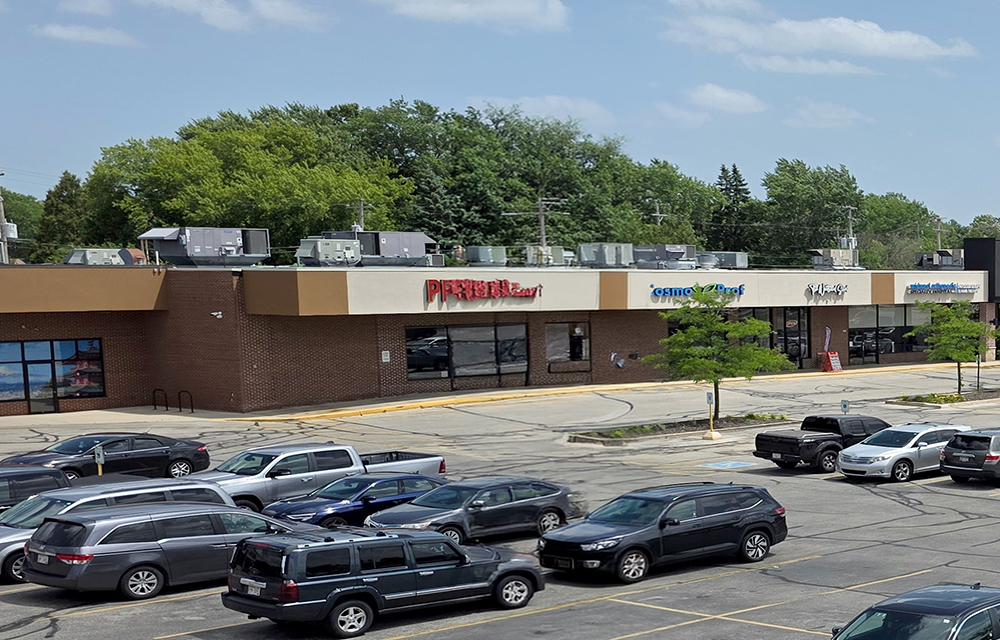
United Properties Corp. expands Wisconsin and Illinois retail presence adding 200,000 s/f
West Allis, WI United Properties Corp. completed two retail acquisitions totaling $27.4 million across Illinois and Wisconsin, adding 205,000 s/f of shopping center space to its portfolio






Columns and Thought Leadership

Positive forecast for New York’s pro-housing push? - by Philip Butler
New York’s housing crisis remains a hot button topic despite growing consensus that varied and affordable housing is desperately needed statewide. Governor Hochul has recently introduced several initiatives to overcome N.Y.’s anti-housing

New York’s streets are full again, and the retail numbers prove it - by Noam Aziz
Walk down any New York block this year and you can feel it. The sidewalks are crowded, the storefronts are lit, and the energy that defines this city is back at full volume.

Hunt commercial real estate question and answer: Fortune 500 wisdom - by David Hunt
Yes, there are lessons to be learned from the largest companies in America when comes to managing your real estate. But the decision to buy or lease real estate may not be one of

A guide to finding the right NYC property management company - by Sanjay Gandhi
Being a small to midsize landlord in NYC is an increasingly demanding endeavor. From navigating complex regulations, increased compliance demands to dealing with tenant issues and remediating violations. It is wise to enlist the assistance of a partner, a professional
.gif)