



News:
Brokerage
Posted: January 19, 2021
255,000 s/f Moynihan Train Hall opens in Midtown Manhattan – $1.6 billion project
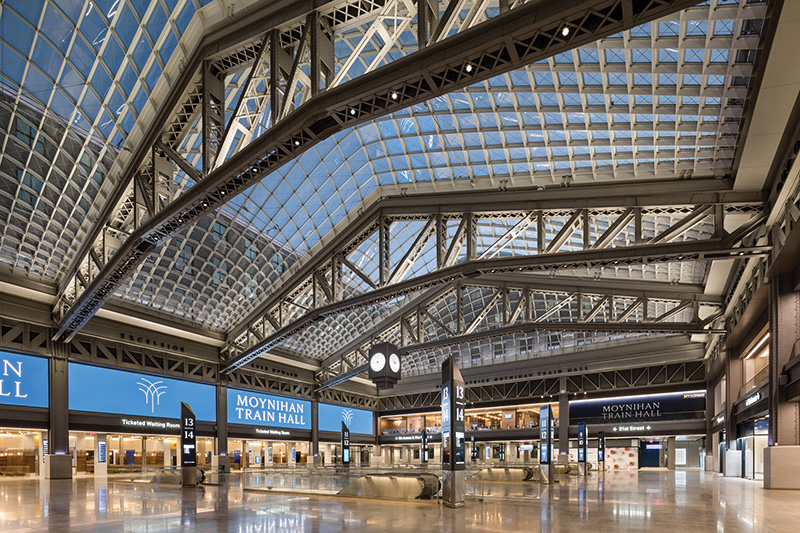
Manhattan, NY Governor Andrew Cuomo celebrated the grand opening of Moynihan Train Hall, a 255,000 s/f train hall designed for the 21st century in the heart of Midtown Manhattan. The $1.6 billion project transformed the more than 100-year-old James A. Farley Building into a transportation hub that increases the existing Penn Station rail complex’s concourse space by 50%. The East End Gateway to Penn Station at 33rd St. and 7th Ave. opened on New Year’s Eve. The hall is named for former U.S. senator Daniel Patrick Moynihan.
“The completion of this gorgeous new train hall would be a special accomplishment at any time, but it’s an extraordinary accomplishment today because we’re at a place where no one ever envisioned being. This has been a traumatic year, both individually and collectively, and the question facing us has been, how do we respond?” gov. Cuomo said.
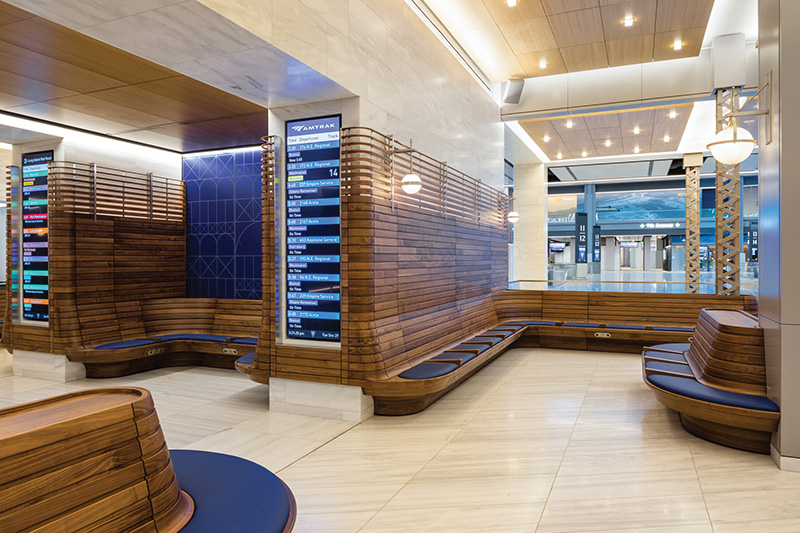 “Senator Daniel Patrick Moynihan was a man of true vision. He saw the potential in an underutilized post office and knew that if done correctly, this facility could not only give New York the transit hub it has long deserved, but serve as a monument to the public itself. We built this as a statement of who we are, and who we aspire to be. Is it grand? Yes. Is it bold? Yes, because that is the spirit of New York and that is the statement we want to make to our visitors, to our children and to future generations. As dark as 2020 has been, this new hall will bring the light, literally and figuratively, for everyone who visits this great city.”
The train hall’s design is a blend of classical and contemporary, and features a one-acre sky-lit atrium, a signature clock, cutting-edge technology, clear wayfinding, full accessibility, and museum-caliber public art. It also provides immediate benefits at this critical time while enhancing the convenience, health, and daily experience of hundreds of thousands of passengers, neighbors, and visitors. The project first emerged decades ago as the leading strategy to address many of Penn Station’s most notorious issues and overcame countless hurdles and red tape thanks to gov. Cuomo’s leadership.
Led by Empire State Development (ESD), the $1.6 billion project was accomplished through an innovative public-private partnership between ESD, Vornado Realty Trust, The Related Companies, Skanska, the MTA, the Long Island Rail Road, Amtrak, and the Port Authority of New York and New Jersey. It utilized a design-build approach to streamline construction and expedite completion. Construction of Moynihan Train Hall has generated an estimated economic impact of $5 billion, supporting more than 5,000 construction jobs and 11,000 indirect jobs. Additionally, the core project management team was more than 42% women.
Moynihan Train Hall reshapes the travel experience of the busiest passenger transportation facility in the Western Hemisphere, used by more than 700,000 passengers per day—more than LaGuardia, John F. Kennedy and Newark International Airports combined. The main hall that once served as the Post Office’s mail sorting room is reminiscent of the original Penn Station’s vaulted concourse, showcasing a 92-ft.-high skylight that holds an acre of glass. Supported by three of the building’s original steel trusses with an intricate lattice framework, the new skylight encloses soars above the train concourse, bathing passengers in natural light.
All LIRR and Amtrak trains are now served by the 17 tracks accessible from the train hall, while providing a direct connection to 9th Ave. and the 8th Ave. Subway. For LIRR, the train hall enhances and expands passenger options by offering world-class facilities and the convenience of full customer services and direct platform access points from 7th Ave. all the way to 9th Ave. For Amtrak, the train hall becomes its new home in New York City—relocating and replacing all primary passenger operations from the existing station.
Suspended from the cent---ral truss above the floor, a six-foot by 12-foot clock designed by Pennoyer Architects evokes nostalgia for the golden age of rail travel. More than 80,000 s/f of marble was used for the floors and walls of the main train hall, sourced from the same Tennessee quarries that provided the marble for Grand Central Terminal over 100 years ago.
In partnership with the Public Art Fund, Moynihan Train Hall features a program of ambitious permanent art installations from three of the world’s leading artists—Stan Douglas, Kehinde Wiley, and artistic duo Elmgreen & Dragset. The landmark artworks created are emblematic of the dynamism and transformation that are quintessential to New York and this new transportation gateway. Ceiling installations by Wiley and Elmgreen & Dragset--‘s define two primary entrances to the train hall, while Douglas’s photo series appears in four 22-ft.-long sections on the wall that span the passenger waiting area adjacent to the main boarding concourse. A testament to the city’s creativity, diversity and heritage, the three monumental commissions embrace the civic character of Moynihan Train Hall and offer a fresh perspective on the history and splendor of the original Penn Station and Farley Post Office.
Tags:
Brokerage
MORE FROM Brokerage
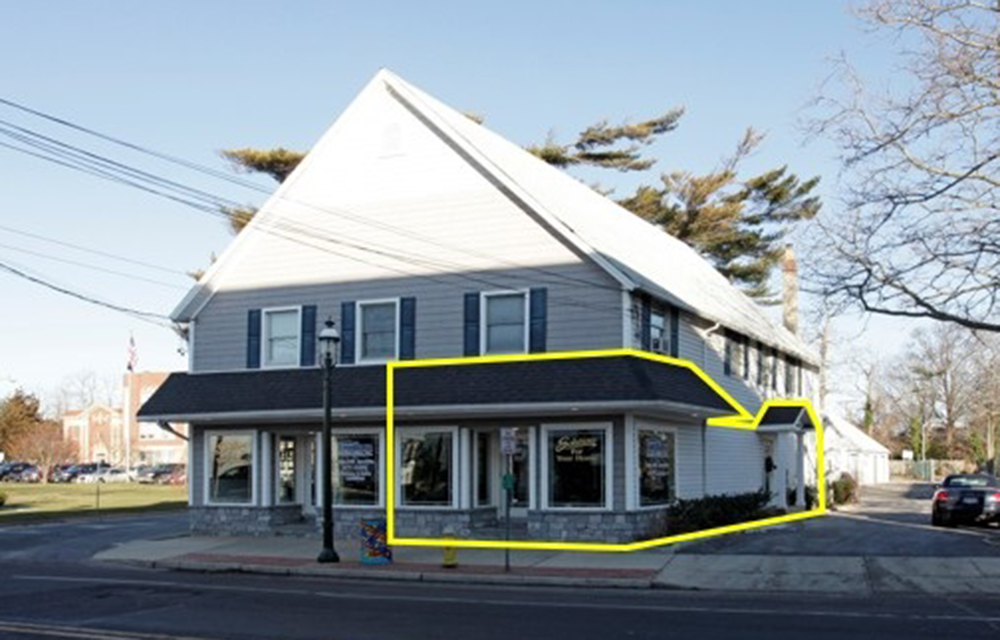
Raffa of Island Associates Real Estate leases 1,700 s/f to Tzanis Mental Health Group at 417 East Main St.
Islip, NY Robert Raffa from Island Associates Real Estate facilitated Tzanis Mental Health Group into 417 East Main St. – a 1,700 s/f office suite. The Tzanis Mental Health Group joins


Quick Hits

Columns and Thought Leadership

New York’s streets are full again, and the retail numbers prove it - by Noam Aziz
Walk down any New York block this year and you can feel it. The sidewalks are crowded, the storefronts are lit, and the energy that defines this city is back at full volume.

Positive forecast for New York’s pro-housing push? - by Philip Butler
New York’s housing crisis remains a hot button topic despite growing consensus that varied and affordable housing is desperately needed statewide. Governor Hochul has recently introduced several initiatives to overcome N.Y.’s anti-housing

A guide to finding the right NYC property management company - by Sanjay Gandhi
Being a small to midsize landlord in NYC is an increasingly demanding endeavor. From navigating complex regulations, increased compliance demands to dealing with tenant issues and remediating violations. It is wise to enlist the assistance of a partner, a professional

Hunt commercial real estate question and answer: Fortune 500 wisdom - by David Hunt
Yes, there are lessons to be learned from the largest companies in America when comes to managing your real estate. But the decision to buy or lease real estate may not be one of
.gif)
September Promotion
