



News:
Brokerage
Posted: April 8, 2013
Morrison & Foerster represents BofA in $235 million financing
Bank of America (BofA) closed a $235 million construction loan for the Baccarat Hotel & Residences, the 50-story building being constructed on West 53rd St. by Starwood Capital. BofA is acting as administrative agent and lead lender of a syndicate of banks providing the loan. Law firm Morrison & Foerster LLP served as legal advisor to BofA.
Leading the Morrison & Foerster team was Mark Edelstein, chair of the firm's N.Y. real estate finance group, Chris Delson, N.Y. real estate partner, and associate Diana Quarry.
Baccarat Hotel & Residences New York is located on 53rd Street just off Fifth Avenue directly across from the Museum of Modern Art and its sculpture garden. The glass tower will feature 114 guest rooms including 26 suites, as well as 61 private residences ranging from one- to four-bedrooms, including four full-floor units and a five-bedroom penthouse duplex with an outdoor terrace. The hotel will feature a stand alone "crystal bar" atop the base podium surrounded by an outdoor "tuileries" terrace, a gorgeous spa, indoor pool and fitness facility, and a beautiful bar and restaurant entered at street level. The Baccarat Hotel & Residences will open in 2014, coinciding with the brand's 250th anniversary.
"Starwood Capital's Baccarat-branded hotel and condo tower will undoubtedly be a success. This transaction shows that there is financing available for the right projects, especially in the major markets like New York" said Edelstein.
Bank of America is a long-time Morrison & Foerster client. The firm also recently represented Bank of America in its financing for the joint venture purchase by Morgan Properties and Dune Real Estate Partners of a Maryland multifamily apartment complex.
The Baccarat Hotel is just the latest notable New York project that Morrison & Foerster has been involved with. The firm represented the owner in the sale of the Essex House Hotel; the lenders on One57, Extell Development Company's project across from Carnegie Hall; the lenders to an entity controlled by the Rudin family for the acquisition and development of the former St. Vincent's Hospital site in Greenwich Village; the lenders for the 56 Leonard Street condos; and the banks providing 80/20 bond financing for the first multi-family building at the Atlantic Yards on Manhattan's far west side.
Tags:
Brokerage
MORE FROM Brokerage
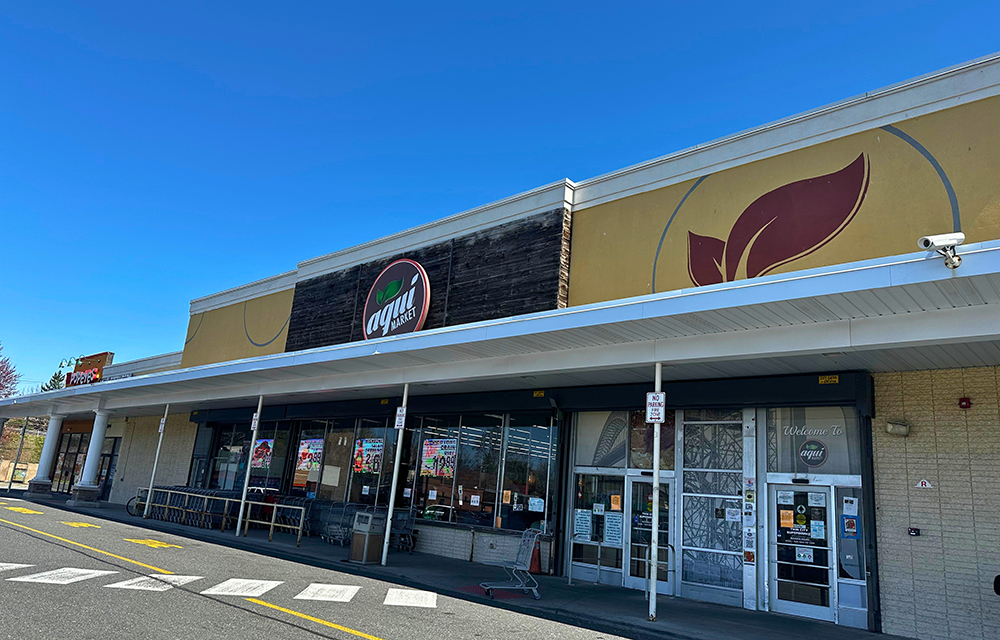
Planet Fitness coming to Twin City Shopping Center in Jersey City
Jersey City, NJ Planet Fitness is coming to Twin City Shopping Center in Jersey City, bringing the 95,000 s/f, grocery-anchored property to full occupancy. The nationally recognized fitness brand has leased a



Quick Hits

Columns and Thought Leadership

Hunt commercial real estate question and answer: Fortune 500 wisdom - by David Hunt
Yes, there are lessons to be learned from the largest companies in America when comes to managing your real estate. But the decision to buy or lease real estate may not be one of

A guide to finding the right NYC property management company - by Sanjay Gandhi
Being a small to midsize landlord in NYC is an increasingly demanding endeavor. From navigating complex regulations, increased compliance demands to dealing with tenant issues and remediating violations. It is wise to enlist the assistance of a partner, a professional

New York’s streets are full again, and the retail numbers prove it - by Noam Aziz
Walk down any New York block this year and you can feel it. The sidewalks are crowded, the storefronts are lit, and the energy that defines this city is back at full volume.

Hunt CRE question and answer: Choosing a real estate agent - by David Hunt
First, we will only work with one agent exclusively. The primary reason is that we want that agent to legally represent our client’s interests. In New York State, a real estate agent has a fiduciary
.gif)