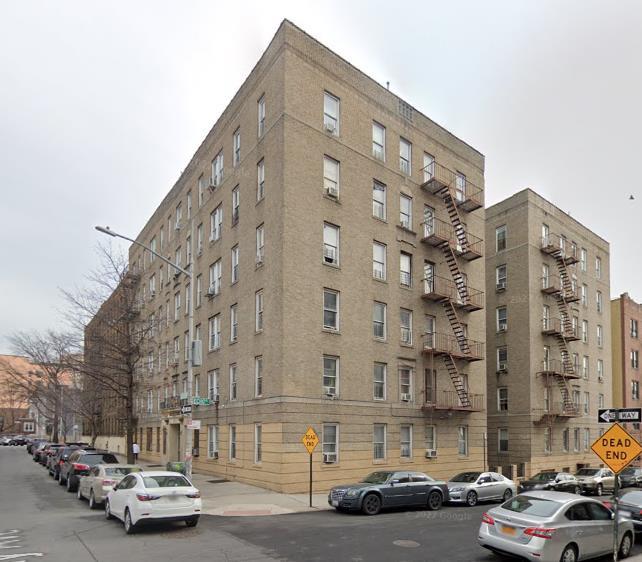




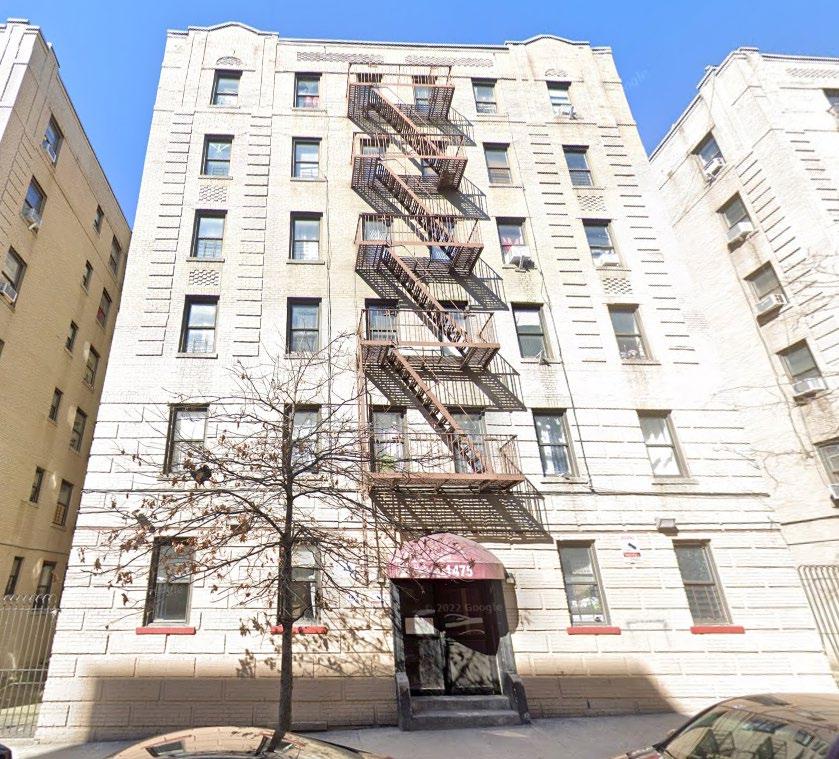
Bronx, NY Amit Doshi and Shallini Mehra have closed the sale of two fully rent-stabilized elevator buildings, marking the first change in ownership in 60 years. The properties, located at 1930 Anthony Ave. and 1475 Wythe Pl., are well-maintained assets situated in the mid-section of the city.
The properties sold for $9 million, translating to less than $65,000 per unit, with other valuation metrics hitting new lows - $63 per s/f and a gross rent multiplier of 5.45x. Both six-story elevator buildings were built in late 1920s with spacious layouts and well maintained by the present ownership. 1930 Anthony Ave. is a six-story, 66,000 s/f building with 66 apartments and 1475 Wythe Pl. with 175 ft. of frontage, spans 75,594 s/f with 73 apartments.
“Rent stabilized building prices have been in a freefall post HSTPA 2019 rent laws, now more than ever the pace has accelerated due to lack of financing by regional banks. Factors such as high cost of property insurance which has skyrocketed to $2,000 per unit, mediocre to poor rent collections, and lack of lenders have made owning and underwriting these buildings in secondary neighborhoods a nightmare. Expenses today exceed 60% of the actual income. Most expect decline in values and for even higher cap rates,” said Doshi.
“Despite market headwinds, the sale closed in under 30 days partly due to below market seller financing. The cap rate was a mere 5% but because of the seller the cash-on-cash return on the equity was just about 7%. This sale was driven by a 1031 exchange purchaser, with less than 30% cash down they were able to own 139 apartments in two elevator buildings which required minimum to no cap ex” said Mehra.
Positioned in rapidly evolving neighborhoods, Mount Eden and Mount Hope, the properties benefit from ongoing gentrification, multiple new developments, and excellent transit connectivity. Both are near multiple subway lines, offering convenient access to Manhattan and beyond, while proximity to Claremont and Crotona Parks enhances their appeal.
Attorney David Gold, Esq. of Gold & Rosenblatt LLC represented the seller and Marc Winston of Smith Buss & Jacobs LLP represented the purchaser.








.gif)