



News:
Brokerage
Posted: April 27, 2009
Mayor Duffy to speak at Greater Rochester BOMA's May 27 meeting
BOMA of Greater Rochester will hold its monthly meeting on May 27 at Mario's Italian Steak House on 2750 Monroe Ave. Mayor Robert Duffy will be the guest speaker.
Duffy was sworn in as the mayor on January 1, 2006. His highly-regarded management team has decades of experience in the private, public and non-profit communities. He set out on an ambitious agenda to revitalize the city by focusing on improvements to public safety, education, economic development, maintaining that all three are inextricably linked. Customer service is another focus for the Duffy administration. Every constituent contact is responded to within 48 hours, he holds monthly "City Hall on the Road" meetings and launched a 311/One Call to City Hall system to make government more accessible to citizens.
The mayor and his team are tapping the community's enthusiasm to bring the city to a turning point. Duffy's knack for fostering collaboration brought more than 10,000 volunteers together to beautify the city for "Rochester's Clean Sweep" and 30 local organizations joined his "Rochester Fair Share Coalition" to help bring the city its highest-ever state aid increase in 2006. Duffy also created the Summer of Opportunity to provide jobs for city youth by enlisting the help of local businesses, individuals and organizations.
Duffy graduated from the Aquinas Institute, Monroe Community College and RIT. After joining the Rochester Police Department in 1976, he worked nights to earn a master's degree from Syracuse University. He became deputy chief of police in 1992 and the city's chief of police in 1998.
Duffy implemented several innovative programs while serving in the city's police department. He began Crimestat, a performance management system and as chief, dropped the homicide rates in the city. He created an anti-gang initiative, collaborated with local and state police agencies to combat street violence and convened the city's first-ever drug summit to seek answers to the most significant crime and public health issues. In 2005, he stepped down as chief to campaign for mayor.
Registration and networking for the event will begin at 11:30 a.m. The lunch and program will begin at noon.
For more information contact the BOMA office at (585) 586-6906 or email [email protected].
Tags:
Brokerage
MORE FROM Brokerage
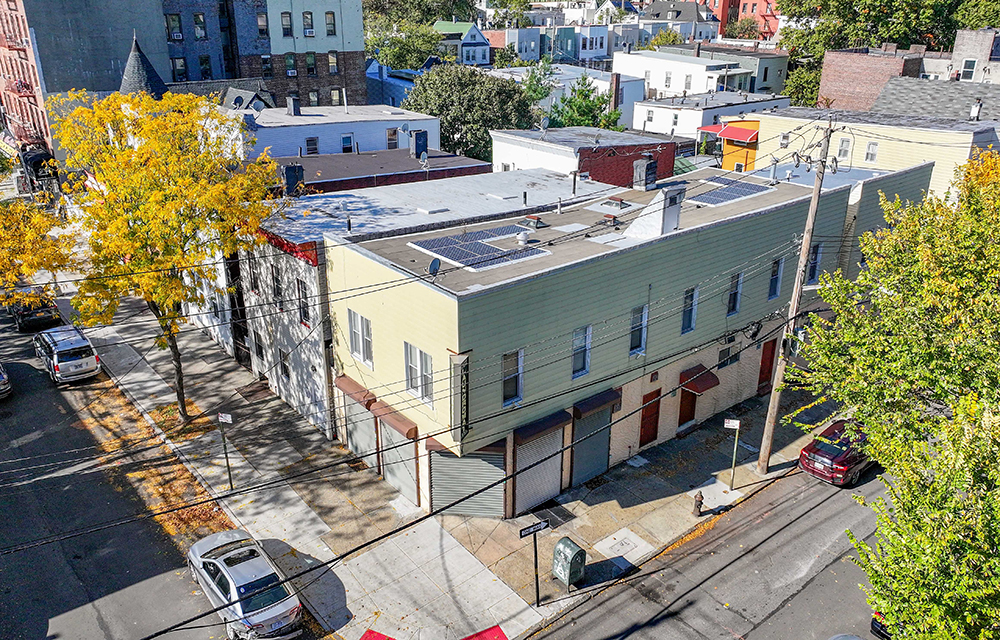
Investment Property Realty Group’s Team Friedman closes five Bronx sales totaling $5.3 million
Bronx, NY Investment Property Realty Group’s (IPRG) Team Friedman closed five sales totaling $5.3 million in the month of September. • 1707 Melville St. sold for $1.35 million. Located in Van Nest, the property



Quick Hits
 (2).gif)

Columns and Thought Leadership

Positive forecast for New York’s pro-housing push? - by Philip Butler
New York’s housing crisis remains a hot button topic despite growing consensus that varied and affordable housing is desperately needed statewide. Governor Hochul has recently introduced several initiatives to overcome N.Y.’s anti-housing

New York’s streets are full again, and the retail numbers prove it - by Noam Aziz
Walk down any New York block this year and you can feel it. The sidewalks are crowded, the storefronts are lit, and the energy that defines this city is back at full volume.

A guide to finding the right NYC property management company - by Sanjay Gandhi
Being a small to midsize landlord in NYC is an increasingly demanding endeavor. From navigating complex regulations, increased compliance demands to dealing with tenant issues and remediating violations. It is wise to enlist the assistance of a partner, a professional

Hunt commercial real estate question and answer: Fortune 500 wisdom - by David Hunt
Yes, there are lessons to be learned from the largest companies in America when comes to managing your real estate. But the decision to buy or lease real estate may not be one of
.gif)