



News:
Movers & Milestones
Posted: January 27, 2026
Featured Executive: Marc Kotler, President of FirstService Residential
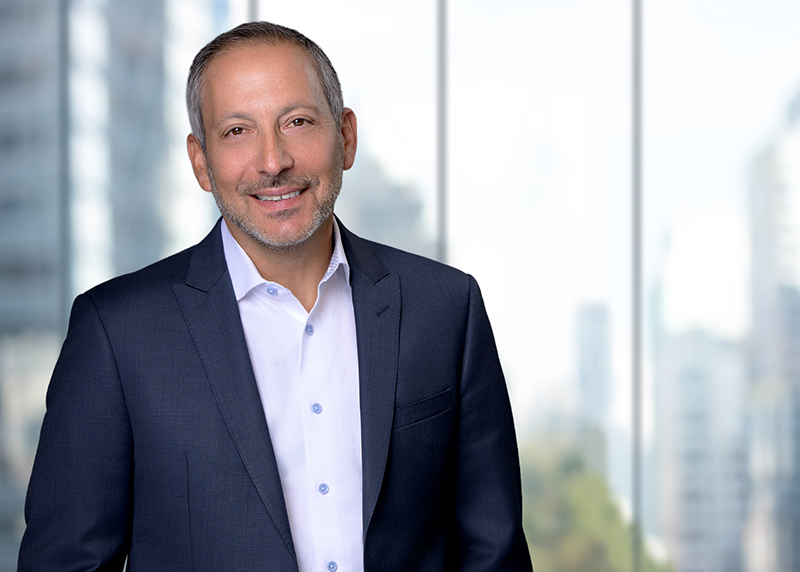
As the new president of FirstService Residential, what is your vision for the organization?
Thirty years ago, I started my journey as a property manager, right here in New York City. Today, my mission is simple – to deliver the personalized service our boards expect. This begins with smart decisions at the top of the organization.
My focus is always on delivering what is best for the client and feedback from our board members has shaped my vision. We know they need quick, reliable answers, so we’ve simplified our operations to meet that expectation. We’ve also expanded our in-house compliance department to help boards navigate every new requirement from city agencies.
What major trends do you see affecting New York condos and co-ops in 2026?
For 2026, several factors will impact the operations of buildings, especially insurance. Insurance costs continue to rise in New York, particularly for property and excess liability. Proactive measures, such as installing leak detection systems in buildings prone to leaks, can help reduce premiums and deductibles. If a building demonstrates effective mitigation efforts, premiums may decrease over time.
Can anything be done to reduce annual insurance premiums?
The best way to control insurance costs begins with risk management and routine maintenance of a building’s mechanical systems, facades, and structural components. That means conducting regular inspections of sensitive building components like boilers, water tanks, elevators, exterior facades, and parking garages. Going one step further, we maintain strict insurance requirements for any contractor performing work in our buildings to ensure their policies do not contain an exclusion that places unnecessary risk on our client.
What factors will have the biggest impact on construction starts or the completion of new projects over the next 12 to 18 months?
In New York City, incentives like 485x and anticipated legislation from mayor Zohran Mamdani will have a significant impact on development strategies. Already, we’re seeing a pause in new developments with sponsors waiting on the sidelines for clarity. When mayor Mamdani reveals his affordable housing plans and zoning reforms, I hope to see new projects break ground.
There is also a notable increase in office-to-residential conversions, with design teams actively exploring these opportunities. We have consulted on several conversions, and construction is expected to begin within the next year.
What shifts are you seeing in the multifamily rental market and how do you expect these trends to affect owners as they plan for the year ahead?
Building owners who integrate technology into core operations and centralize functions are best positioned to manage costs, satisfy residents, and capitalize on emergent trends in the year ahead. The most successful owners are adopting centralized maintenance platforms, automated leasing, and AI-powered communication, not as amenities, but as tools to cut costs and improve operations.
Rising insurance, utility, and labor expenses are accelerating this push, with predictive maintenance and energy monitoring helping control budgets.
Is there an achievement in your career that you are most proud of?
Being awarded the management of The Plaza Hotel was a significant milestone. The Plaza is an iconic Manhattan property, recognized worldwide, and it was a proud moment to receive that commission and open the building. We continue to manage it today, and I am honored to be associated with such a prestigious property. Clients like The Plaza along with our supertall properties including 434 53 West 53, 520 5th Ave., and One Wall St. have allowed us to establish a new level of service excellence focusing on ultra luxury properties.
What keeps you passionate about property management after all these years?
I love what I do. Despite predictions of New York City’s decline, especially post-COVID, the city remains vibrant and energetic. Walking into the properties we manage excites me and makes me proud to be part of this industry. Having the ability to improve the lives of residents and influence how buildings are designed, along with knowing we’ll continue to have the opportunity to continue to do so for years to come, is something we’re very proud of. It motivates me for the future.
How have recent industry consolidations impacted your approach to property management?
Recent consolidations among many competitors have created instability in the industry, leading to uncertainty about how these companies will manage their newly acquired businesses. We’re fortunate to be in a position where we have no acquisitions at this time, making us the stable management choice in New York City. This is a period of strong organic growth for us, as we focus on nurturing our buildings and delivering consistent service.
MORE FROM Movers & Milestones
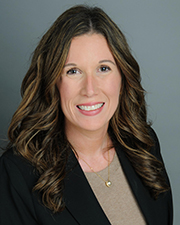
Forchelli Deegan Terrana attorneys Alberts and Katz selected for inclusion in Doyle’s Guide
Uniondale, NY Forchelli Deegan Terrana LLP congratulates partners Stephanie Alberts and Cheryl Katz from the firm’s trusts and estates practice group on their selection for inclusion in Doyle’s Guide: Leading Trusts, Estates



Quick Hits

