



News:
Brokerage
Posted: June 24, 2013
Li of AVANT originates $2.5 million bridge loan
AVANT Capital Partners has originated a $2.5 million bridge loan secured by a development site. The site is approved for the development of a seven-story mixed-use condo building and the 18-month loan carries an interest rate of 10%. The site, located on the Lower East Side, lies on Grand St. between Orchard and Ludlow Sts. Construction is expected to commence in the near future, since approved architectural plans are already in place. When completed, it will have two retail units and 20 residential condo units. The property sits on a 4,369 s/f lot and has rights to construct 18,693 buildable s/f.
The loan was originated by Wei "Samuel" Li, a recently hired director at AVANT, and was his first closing with the company.
ACE Capital LLC, with primary deal management by Peter Zhuang and Cherry Zheng, was the mortgage broker responsible for arranging the loan.
Li said, "We received information about the loan request on a late Wednesday morning. By Wednesday afternoon, we had issued our term sheet. By close of business Thursday, we had a signed term sheet and application deposit. Loan documents were issued the following Monday. Due to delays on the borrower's side, the actual closing took place on Friday—the fifth day after receiving the signed term sheet. It was a good team effort to get the deal closed on time. The Chinese real estate investment communities, although brimming with outstanding developers, investors and builders, have limited access to bridge loan financing. This fact is mainly due to language and other barriers. I'm excited to be a part of AVANT Capital and to bridge the gap between the Chinese investment communities and lending communities for years to come."
According to Adam Luysterborghs, AVANT's Principal located in Greenwich CT, "the collateral involved with this transaction is highly desirable and the project sponsor is an experienced developer. We feel comfortable with the loan basis and delivered desirable terms to the borrower in a very short closing time frame. It's important to note that Peter and Cherry did a nice job representing their client and we look forward to many more transactions with their team."
Over the past ten years, much of the lower east side has undergone a process of rapid gentrification and become home to upscale boutiques and trendy dining establishments. As the neighborhood gentrified, it has become an extremely popular late night destination and residential community. Orchard and Ludlow, the cross streets for this particular property, along with Essex, Rivington and Stanton Streets have become especially popular for their restaurants, nightlife and shopping. Recent residential condo sales for newly renovated or constructed units range from $1,000 to $1,600 per square foot depending upon finish quality, building amenities (if any) and location.
Tags:
Brokerage
MORE FROM Brokerage
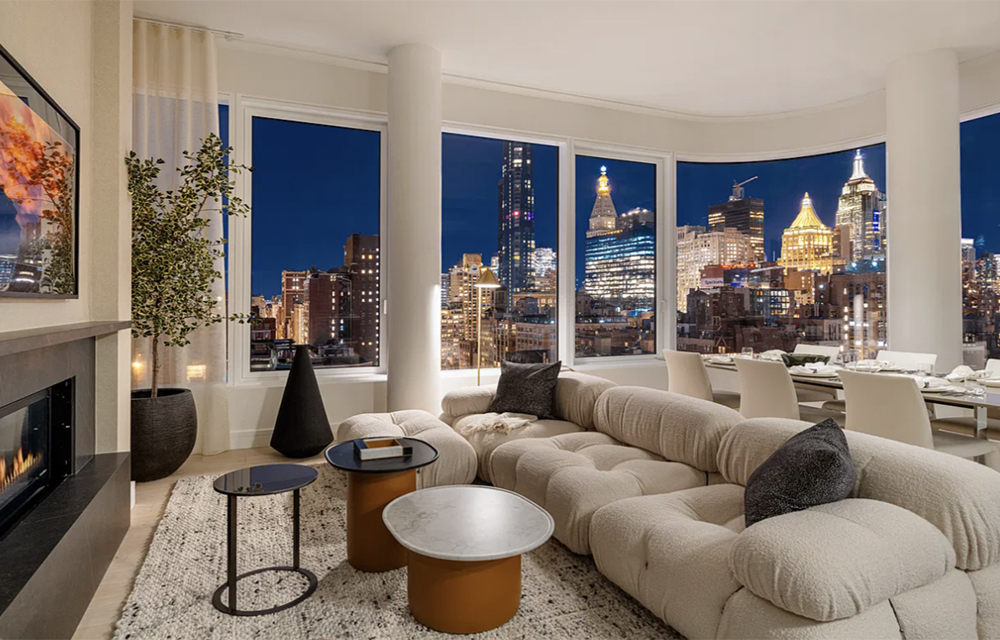
200E20TH sells out in Gramercy, penthouse A closes out sales at the CetraRuddy-designed condominium residences
Manhattan, NY 200E20TH, the CetraRuddy-designed architectural masterwork that brought a curved, contemporary sensibility to Gramercy’s Beaux-Arts streetscape, has




Quick Hits
 (2).gif)

Columns and Thought Leadership

New York’s streets are full again, and the retail numbers prove it - by Noam Aziz
Walk down any New York block this year and you can feel it. The sidewalks are crowded, the storefronts are lit, and the energy that defines this city is back at full volume.

The art of investing in real estate - by Thomas Donovan
Real estate investing is as much an art as it is a skill. No one can time the market, or the factors that drive it, perfectly. Location, zoning, size, transportation, and neighborhood density give you a baseline for

Hunt commercial real estate question and answer: Fortune 500 wisdom - by David Hunt
Yes, there are lessons to be learned from the largest companies in America when comes to managing your real estate. But the decision to buy or lease real estate may not be one of

Hunt CRE question and answer: Choosing a real estate agent - by David Hunt
First, we will only work with one agent exclusively. The primary reason is that we want that agent to legally represent our client’s interests. In New York State, a real estate agent has a fiduciary
.gif)